Inside Dreams of Joy
“Everything always returns to the beginning”
Welcome to
Dreams of Joy
Welcome to the “Dreams of Joy” website! This was created to help enhance your reading experience with Lisa See’s novel.
The provided tabs will link you to:
Reviews of the novel
Interviews with the author
Background information on historical elements and other interesting details throughout the book
An in depth information on the landmarks and buildings mentioned
A glossary with page numbers
A convenient bibliography
If you are interested in the first book of this two part series, “Shanghai Girls,” Step Inside or Buy the Book here.
Book Reviews and Interviews
~ Dreams of Joy debuted at #1 on New York Times Bestseller List ~
Book Reviews
(6/11) Amazon.com Review
(6/11) BookPage Review
(5/15/11) Kirkus Review
(5/15/11) Los Angeles Times Review
(6/9/11) New York Times Review
(6/6/11) People Magazine Review
(6/5/11) Seattle Times Review
(6/1/11) Washington Post Review
Blog Reviews
(6/1/11) BookingMama Blog Review
(6/2/11) Hungry For Good Books Blog Review
(5/27/11) Bippity Boppity Books Blog Review
Interviews
(3/1/11) Beauty and the Book Blog Video Interview
(6/11) BookPage Interview
(6/3/11) Kindle Daily Post Author Discussion
(4/28/11) Orange County Register Interview
Bibliography
Book Reviews and Interviews
Bohjalian, Chris. “Books: ‘Dreams of Joy’ by Lisa See.” The Washington Post. The Washington Post, June 2011. Web. 29 June 2011. <http://www.washingtonpost.com/entertainment/books/books-dreams-of-joy-by-lisa-see/2011/04/29/AGGkikGH_story.html>.
Corbett, Sue. “Dreams of Joy.” People Magazine 6 June 2011: 59. Web. 30 June 2011. <http://www.lisasee.com/dreamsofjoy-inside/files/2011/06/dreams-of-joy-people-review.png>.
“DREAMS OF JOY by Lisa See.” Kirkus Book Reviews. Kirkus Reviews Magazine, 15 May 2011. Web. 30 June 2011. <http://www.kirkusreviews.com/book-reviews/fiction/lisa-see/dreams-joy/>.
Haas, Jane Glenn. “Lisa See to Talk about Sequel to ‘Shanghai Girls’ – Orange County Register.” Featured Articles From The Orange County Register. Orange County Register, 28 Apr. 2011. Web. 30 June 2011. <http://articles.ocregister.com/2011-04-28/news/29488754_1_mothers-and-daughters-novel-china>.
Harrison, Stephenie. “A Reader-requested Sequel | BookPage.” BookPage | Discover Your next Great Book! BookPage, June 2011. Web. 30 June 2011. <http://bookpage.com/interview/a-reader-requested-sequel>.
Harrison, Stephenie. “See’s Sisters Story Continues | BookPage.” BookPage | Discover Your next Great Book! BookPage, June 2011. Web. 30 June 2011. <http://bookpage.com/review/dreams-of-joy/see's-sisters-story-continues>.
Hayes, Trina. “Dreams of Joy by Lisa See.” Hungry for Good Books? Blogspot, 2 June 2011. Web. 30 June 2011. <http://hungryforgoodbooks.blogspot.com/2011/06/dreams-of-joy-by-lisa-see.html>.
Heltzel, Llen Emry. “Books | ‘Dreams of Joy’: Lisa See’s Novel of Two Women Adrift in Mao’s China | Seattle Times Newspaper.” The Seattle Times | Seattle Times Newspaper. The Seattle Times, 5 June 2011. Web. 30 June 2011. <http://seattletimes.nwsource.com/html/books/2015207626_br05see.html>.
Holly. “REVIEW: Dreams of Joy by Lisa See.” Bippity Boppity Book. Blogger, 27 May 2011. Web. 30 June 2011. <http://bippityboppitybook.blogspot.com/2011/05/review-dreams-of-joy-by-lisa-see.html>.
Kindle Editors. “Kindle Post US: Guest Blogger: Lisa See on “Dreams of Joy”” Kindle Daily Post (US Customers). Amazon, 3 June 2011. Web. 30 June 2011. <http://www.kindlepost.com/2011/06/guest-blogger-lisa-see-on-dreams-of-joy.html>.
Malcolm, Mari. “Amazon.com: Dreams of Joy: A Novel (9781400067121): Lisa See: Books.” Amazon.com: Online Shopping for Electronics, Apparel, Computers, Books, DVDs & More. Amazon, June 2011. Web. 29 June 2011. <http://www.amazon.com/Dreams-Joy-Novel-Lisa-See/dp/140006712X>.
Maslin, Janet. “A Comrade by Accident, a Seeker by Design.” NYtimes.com. New York Times Magazine, 9 June 2011. Web. 29 June 2011. <http://www.nytimes.com/2011/06/10/books/lisa-sees-dreams-of-joy-book-review.html?_r=1>.
McMullen, Peggy. “Hot off the Presses: ‘Dreams of Joy,’ ‘This Life Is in Your Hands,’ and ‘Silver Sparrow’ | OregonLive.com.” Oregon Local News, Breaking News, Sports & Weather – OregonLive.com. The Oregonian, 4 June 2011. Web. 30 June 2011. <http://www.oregonlive.com/books/index.ssf/2011/06/hot_off_the_presses_dreams_of.html>.
P, Julie. “Review: Dreams of Joy.” Booking Mama. Booking Mama, 1 June 2011. Web. 30 June 2011. <http://www.bookingmama.net/2011/06/review-dreams-of-joy.html>.
Reynolds, Susan Salter. “Dreams Of Joy Review | ‘Dreams of Joy’ by Lisa See: Book Review – Los Angeles Times.” Featured Articles From The Los Angeles Times. Los Angeles Times, 15 May 2011. Web. 30 June 2011. <http://articles.latimes.com/2011/may/15/entertainment/la-ca-lisa-see-20110515>.
Stephen. “Lisa See: DREAMS OF JOY.” ReadingGroupGuides.com – Blog. Reading Group Guides, 2 June 2011. Web. 30 June 2011. <http://blog.readinggroupguides.com/blog/2011/06/lisa-see-dreams-joy>.
Sullivan, Mike O’ “Writer Takes Trans-Pacific Journey in New Novel | USA | English.”VoaNews.com. Voice of America, 4 June 2011. Web. 30 June 2011. <http://www.voanews.com/english/news/usa/Writer-Takes-Trans-Pacific-Journey-in-New-Novel-123158373.html>.
YouTube – “Beauty and the Book Episode 8: Lisa See, Author of Shanghai Girls and Dreams of Joy”. Dir. Kathy Patrick. Perf. Kathy Patrick and Lisa See. YouTube – Broadcast Yourself. Youtube, 1 Mar. 2011. Web. 30 June 2011. <http://www.youtube.com/watch?v=aqAo0OGuiuI>.
Geographical Locations
“A Brief Introduction To Guangzhou.” 华南网. South China University of Technology. Web. 11 June 2011. <http://www.gznet.edu.cn/WWW/scn/guangdong/e_gz.html>.
“A LAST LOOK.” 欢迎光临汉源文化!. Web. 30 June 2011. <http://www.han-yuan.com/zhongguotong/tongguotongshu/alastlook/alastlook.htm>.
“A Last Look.” 欢迎光临汉源文化!. Web. 30 June 2011. <http://www.han-yuan.com/zhongguotong/tongguotongshu/alastlook/shhai17.htm>.
“Beauty – The Land of China: Fujian.” China, an Inner Realm. Oracle. Web. 29 June 2011. <http://library.thinkquest.org/20443/>.
“Beijing Attractions & Landmarks – Location Map.” China Map – Detailed Tourist Maps of China Province and City. Web. 29 June 2011. <http://www.chinatouristmaps.com/travel/beijing/city/landmarks-and-attractions.html>.
“Beijing.” Chinaculture.org. Web. 29 June 2011. <http://www.chinaculture.org/gb/en_map/2003-09/24/content_21529.htm>.
“Beijing’s History.” China.org.cn – China News, Weather, Business, Travel & Language Courses. Web. 29 June 2011. <http://china.org.cn/english/features/beijing/30785.htm>.
“Beijing Travel, Beijing Attractions,China Beijing Tourist Attraction, Sightseeing Tour.” Beijing Travel Service: Beijing Tours, Tours to China, City Packages, 24/7 Toll Free Services. Web. 29 June 2011. <http://www.beijingtrip.com/attractions/>.
“Bund Waibaidu Bridge.” Shanghai Travel Guide, Shanghai Travel Information, Shanghai Tours, Shanghai City Guide. Shanghai Travel Guide. Web. 18 June 2011. <http://www.shanghaiguide.org/Bund-Waibaidu-Bridge-3632.html>.
“British Empire: The Map Room: Asia: Hong Kong.” The British Empire. Web. 29 June 2011. <http://www.britishempire.co.uk/maproom/hongkong.htm>.
China Highlights. China Highlights. Web. 30 June 2011. <http://images.chinahighlights.com/city/shanghai/renminguangchang-b.jpg>.
Cranley, Patrick. “Bridge of Misunderstanding.” Historic Shanghai — The People, Places and Ideas That Made Shanghai What It Is Today. Historic Shanghai, 15 Feb. 2008. Web. 18 June 2011. <http://www.historic-shanghai.com/?p=46>.
“Famous Hotels | Peace Hotel – New Design.” Famous Hotels | Home. The Most Famous Hotels In The World, 11 May 2009. Web. 18 June 2011. <http://www.famoushotels.org/article/958>.
“French Concession Shanghai: Tours to French Concession and Attractions.” Great Wall Hiking, Best China Adventure Travel Vacation Packages by Great Wall Adventure Club. Web. 30 June 2011. <http://www.greatwalladventure.com/ShanghaiFrenchConcession.htm>.
“Fujian History – Fujian in Ancient China History.” Fujian Travel – Fujian Vacation – Fujian China – China Travel. Web. 29 June 2011. <http://beautyfujian.com/Fujian/Fujian_History.html>.
“Fujian (province, China) — Britannica Online Encyclopedia.” Encyclopedia – Britannica Online Encyclopedia. Web. 29 June 2011. <http://www.britannica.com/EBchecked/topic/221639/Fujian>.
“Garden Hotel, Shanghai, China.” Chinese Business World ,Business Directory,China Train Ticket,Online Gifts and Flower,Canton Trade Shows-cbw.com Is a Division of ASM Overseas Corporation. Web. 30 June 2011. <http://www.cbw.com/tourism/hotel/ysh4/ysh4-1n.htm>.
Geremie R. “Zhongnanhai.” GlobalSecurity.org – Reliable Security Information. Web. 29 June 2011. <http://www.globalsecurity.org/military/world/china/zhongnanhai.htm>.
“Great Wall – History of Great Wall of China, Exceeding 2,000 Years.” Great Wall of China, History, Gallery of Pictures, Travel Guide, News, Discovery & Research. Web. 29 June 2011. <http://www.greatwall-of-china.com/51/great-wall-history-1.html>.
“Great Wall of China, History of Great Wall, Great Wall of China Facts.” China Travel Discovery, Discovery in China, China Discovery Travel Guide. Web. 29 June 2011. <http://www.chinatraveldiscovery.com/great-wall-of-china/index.htm>.
“Great Wall of China History, History of The Great Wall of China for Kids.” China Travel, China Travel Agency, China Tours, Yangtze River Cruise. Web. 29 June 2011. <http://www.chinahighlights.com/greatwall/history/>.
“Great Wall of China (wall, China) — Britannica Online Encyclopedia.” Encyclopedia – Britannica Online Encyclopedia. Web. 29 June 2011. <http://www.britannica.com/EBchecked/topic/243863/Great-Wall-of-China>.
“Hebei « Shanghai China Website.” Shanghai China Website. Web. 30 June 2011. <http://www.shanghai.ws/china/hebei>.
“History: Fairmont Peace Hotel.” Luxury Hotels & Resorts: Hotel Reservations by Fairmont Hotels & Resorts. Fairmont Peace Hotel, 21 Jan. 2010. Web. 18 June 2011. <http://www.fairmont.com/EN_FA/Property/PCE/AboutUs/History.htm>.
“History of Beijing , Pekin History.” Beijing Life. Web. 29 June 2011. <http://www.beijingwelcome.com/beijing_information/10099/>.
“History of Hong Kong – Lonely Planet Travel Information.” Lonely Planet Travel Guides and Travel Information. Web. 29 June 2011. <http://www.lonelyplanet.com/china/hong-kong/history>.
“History of Kowloon Walled City.” Scribd. Web. 29 June 2011. <http://www.scribd.com/doc/17702091/History-of-Kowloon-Walled-City>.
“History of Nanning.” History of Nanning – Official Website of Nanning Municipality. Nanning Municipal Government, 09 Sept. 2004. Web. 29 June 2011. <http://www.nanning.gov.cn/2460/2004_10_18/2460_36580_1098088342982.html>.
“History of The Great Wall of China.” Paul and Bernice Noll Website. Web. 29 June 2011. <http://www.paulnoll.com/China/Tourism/tourist-Great-Wall-history.html>.
“Hong Kong (administrative Region, China) — Britannica Online Encyclopedia.” Encyclopedia – Britannica Online Encyclopedia. Web. 29 June 2011. <http://www.britannica.com/EBchecked/topic/270971/Hong-Kong>.
Huang, Jessie. Life of Guangzhou – News, Stories of & Locals’ Guide to Life & Business of Guangzhou (Canton), Guangdong. Guangzhou Interactive Information Network Company. Web. 11 June 2011. <http://www.lifeofguangzhou.com/>.
“Huangpu River (river, China) — Britannica Online Encyclopedia.” Encyclopedia – Britannica Online Encyclopedia. Web. 29 June 2011. <http://www.britannica.com/EBchecked/topic/1397025/Huangpu-River>.
“Huang Pu River, Shanghai Tour, China Travel Tours Trip to Huang Pu River Shanghai.” Great Wall Tour, China Travel Tours to Beijing Guilin Kunming Yunnan Yangtze Cruise. Web. 30 June 2011. <http://www.greatwalltour.com/shanghai/huangpu-river.htm>.
“Huangpu River, the Bund – Shanghai Attractions.” China Tours,China Tour Package,China Tour Company, Small Group, Beijing, Xian, Shanghai, Guilin. Web. 29 June 2011. <http://www.warriortours.com/cityguides/shanghai/bund.htm>.
“KIPPO NEWS – Kansai Window:portal Site of Kansai Information.” Kansai Window:portal Site of Kansai. Web. 30 June 2011. <http://www.kippo.or.jp/e/news/kipponews_detail_602.html>.
Kit. “World Expo 2010 Shanghai – Pavilions.” World Expo 2010 Shanghai- Pavilions of the World. Web. 30 June 2011. <http://www.expo2010china.hu/index.phtml>.
“Kowloon: Hong Kong’s Notorious Walled City.” Popular | Environmental Graffiti. Web. 29 June 2011. <http://www.environmentalgraffiti.com/history/news-kowloon-walled-city>.
“Kowloon Walled City Park – History/Background.” Leisure and Cultural Services Department | 康樂及文化事務署. Web. 29 June 2011. <http://www.lcsd.gov.hk/parks/kwcp/en/index.php>.
“Longhua Pagoda and Longhua Temple.” China Unique Tour | Golf Trip | Trekking Tour | Free Traveling | Silk Travel | Tibet Tour | Private Tour. China Unique Tour. Web. 18 June 2011. <http://chinauniquetour.com/arts.asp?id=1067>.
“Longhua Pagoda – China Culture.” Arts – China Culture. Cultural China. Web. 18 June 2011. <http://arts.cultural-china.com/en/85Arts8096.html>.
“Longhua Pagoda.” ChinaCulture.org. Ministry of Culture, P.R. China. Web. 18 June 2011. <http://www.chinaculture.org/library/2008-02/04/content_25939.htm>.
Loren, Alan. “Paris of the Orient | Bochic.” Bochic – Fine Jewelry. Web. 30 June 2011. <http://www.bochic.com/content/paris-of-the-orient/>.
“Meet Me in Shanghai.” Shanghai Guide. Web. 30 June 2011. <http://www.meetmeinshanghai.com/summer.asp>.
“NANNING: GATEWAY TO CHINA’S SOUTH-WEST.” International-Relations.com. Web. 29 June 2011. <http://www.international-relations.com/cm4-1/Nanningwb.htm>.
“Nanning Tours, Nanning Travel and Nanning Tour | ChinaTour.com.” China Tours, China Tourism and China Travel Service | ChinaTour.com. Web. 29 June 2011. <http://www.chinatour.com/attraction/nanning.htm>.
“Old Concession Areas,Shanghai Old French Concession,Travel to Shanghai,China Shanghai Tours.” China Travel Packages, Tours To China, China Tour Operator, Trip To China. China Fact Tours. Web. 18 June 2011. <http://www.chinafacttours.com/shanghai/attractions/old-concession-areas.html>.
Purple,”Why Called “Hong Kong”? » Hong Kong Sunday.” Hong Kong Sunday. Web. 29 June 2011. <http://www.hongkongsunday.com/?p=20>.
“RARE PHOTOS OF THE BUND.” Rickshaw Home Page. Web. 30 June 2011. <http://www.rickshaw.org/The_Bund.htm>.
“Shanghai Architecture- The Bund- Shanghai Mansions.” Chinese Architecture. Essential Architecture. Web. 18 June 2011. <http://www.chinese-architecture.info/BUND/SH-BU-026.htm>.
“SHANGHAI CHINA.” 中国上海. Web. 30 June 2011. <http://www.shanghai.gov.cn/shanghai/node23919/node24059/index.html>.
“Shanghai, China — National Geographic’s Ultimate City Guides.” Travel & Cultures — National Geographic. National Geographic Society. Web. 30 June 2011. <http://travel.nationalgeographic.com/travel/city-guides/shanghai-china/>.
“Shanghai Facts.” Shanghai Travel, Travel to Shanghai, Shanghai Tours, Shanghai China Travel. Shanghai Highlights. Web. 30 June 2011. <http://www.shanghaihighlights.com/essential/>.
“Shanghai Festivals.” Shanghai Travel, Travel to Shanghai, Shanghai Tours, Shanghai China Travel. Shanghai Highlights. Web. 30 June 2011. <http://www.shanghaihighlights.com/shanghai-festivals/>.
“Shanghai | French Concession.” Qwazymonkey. Youtube. 2010. Web. 18 Jun. 2011.
“Shanghai Huangpu River, The Bund, Huangpu River Cruise.” China Travel Agency,China Tours,Beijing Tour Packages,24/7 Service. Web. 29 June 2011. <http://www.travelchinaguide.com/attraction/shanghai/huangpu.htm>.
“Shanghai Huangpu River.” Шанхай Shanghai. Web. 30 June 2011. <http://www.shanghai2006.narod.ru/eng/riv/rivkod.html>.
“Shanghai International Settlement.” Wikipedia, the Free Encyclopedia. Wikipedia, 19 May 2011. Web. 18 June 2011. <http://en.wikipedia.org/wiki/Shanghai_International_Settlement>.
“Shanghai Movies, Books, and Music.” Travel & Cultures — National Geographic. National Geographic Society. Web. 30 June 2011. <http://travel.nationalgeographic.com/travel/city-guides/shanghai-movies/>.
“Shanghai People’s Square, China.” China Travel Tour Guide – China Travel Guide, Information & Tips. Web. 30 June 2011. <http://www.china-travel-tour-guide.com/attractions/people-square.shtml>.
“Shanghai Picture, Shanghai Photo Albums – Shanghai Highlights Travel.” Shanghai Travel, Travel to Shanghai, Shanghai Tours, Shanghai China Travel. Shanghai Highlights. Web. 30 June 2011. <http://www.shanghaihighlights.com/shanghai-picture/>.
“Shanghai Photo Gallery.” China Travel – Info for Travel to China. Web. 30 June 2011. <http://gochina.about.com/od/cityareaguidesinchina/ig/Shanghai-Photo-Gallery/French-Concession—Shanghai.htm>.
“Shanghai.” Simon Fieldhouse – Artist. Web. 30 June 2011. <http://www.simonfieldhouse.com/shanghai.htm>.
“Shopping along Huaihai Road Middle (淮海中路) – Shanghai.” Shanghai – World Expo Shanghai 2010. Web. 30 June 2011. <http://shanghai.cultural-china.com/html/Shopping/Shopping-Street/200810/13-3.html>.
“Tales of Old Shanghai.” Graham Earnshaw Home Page. Web. 30 June 2011. <http://www.earnshaw.com/shanghai-ed-india/tales/tales.htm>.
“Tales of Old Shanghai – The Bund.” Graham Earnshaw Home Page. Easter Web Services. Web. 25 June 2011. <http://www.earnshaw.com/shanghai-ed-india/tales/t-buil01.htm>.
“The Atlantic Report on Hong Kong, June 1957.” The Atlantic — News and Analysis on Politics, Business, Culture, Technology, National, International, and Life – TheAtlantic.com. Web. 29 June 2011. <http://www.theatlantic.com/past/docs/issues/57jun/hk657.htm>.
“The Bund.” Eastday. English.Easyday.Com. Web. 30 June 2011. <http://english.eastday.com/shanghai/Museum/bund/index.html>.
“The Bund Shanghai, Shanghai Travel Guide.” China Tours, China Private Tour, Groups Tour Packages, China Local Travel Operator. ToursChina. Web. 11 June 2011. <http://www.tourschina.com/travel-shanghai/the-bund.htm>.
“The Classic Old Hotels of Shanghai.” China Expat – All Around China in One Website. Web. 30 June 2011. <http://www.chinaexpat.com/2007/03/22/the-classic-old-hotels-of-shanghai.html/>.
“The French Concession, Shanghai French Concession.” China Tours, China Tour Operator, China Travel, Yangtze Cruises. Great Wall Discovery. Web. 18 June 2011. <http://www.greatwalldiscovery.com/shanghai/attractions/the-french-concession.html>.
“The Good Ol’ Days: Shanghai Race Club 75th Anniversary – Shanghaiist.” Shanghaiist: News, Music, Nightlife, Restaurants, Events and More in Shanghai, China. Web. 30 June 2011. <http://shanghaiist.com/2009/05/15/the_good_ol_days_75th_anniversary_o.php>.
“The Great Hall of the People.” China Tour,Beijing Tour,China Tour Package,Great Wall Tour, China Travel Deal. China Tour Design. Web. 18 June 2011. <http://www.chinatourdesign.com/tiananmen_square/great_hall_of_the_people.htm>.
“The Great Hall of the People.” 全国人民代表大会. National People’s Congress of the People’s Republic of China, 25 Feb. 2006. Web. 18 June 2011. <http://www.npc.gov.cn/englishnpc/GreatHall/node_3072.htm>.
“The Legends of West Lake – China Special Topic.” China Tours, China Travel Agency, China Tour Operator, Yangtze River Cruise. China Odyssey Tours. Web. 19 June 2011. <http://www.chinaodysseytours.com/Chinese-Things/legends-of-west-lake.html>.
“Peopmap.” Shanghai2006. Shanghai2006. Web. 30 June 2011. <http://www.shanghai2006.narod.ru/eng/peop/peopmap.jpg>.
“Walled Heart of China’s Kremlin – TIME.” Breaking News, Analysis, Politics, Blogs, News Photos, Video, Tech Reviews – TIME.com. Web. 29 June 2011. <http://www.time.com/time/world/article/0,8599,2053821,00.html>.
Wang, Cindy. “Guangzhou China, Guangzhou Location and History, Guangzhou Language, Guangzhou Folk-custom, Guangzhou Weather.” China Tour, China Tours Agency, China Travel, China Travel Tours , Travel to China, Guide for Your Tours in China. HRC International Travel Corporation. Web. 11 June 2011. <http://www.chinatourguide.com/guangzhou/aboutguangzhou.html>.
“West Lake-History.” Hangzhou English Portal – 杭州英文门户网站. Information Office of Hangzhou Municipal People’s Government. Web. 19 June 2011. <http://www.hicenter.cn/guide_31.asp>.
“West Lake: Looks Overwhelming in the White Costume – China Culture.” Scenery – China Culture. Cultural China. Web. 19 June 2011. <http://scenery.cultural-china.com/en/107Scenery10373.html>.
Wikipedia, the Free Encyclopedia. Web. 30 June 2011. <http://en.wikipedia.org/wiki/Main_Page>.
“Yan’an Road.” Shanghai Travel Guide, Shanghai Travel Information, Shanghai Tours, Shanghai City Guide. Shanghai Travel Guide. Web. 18 June 2011. <http://www.shanghaiguide.org/Yan-an-Road-2748.html>.
“Yangtze River History and Culture, Yangtze River – China Highlights.” China Travel, China Travel Agency, China Tours, Yangtze River Cruise. Web. 29 June 2011. <http://www.chinahighlights.com/yangtzeriver/yangtze-river-history-and-culture.htm>.
“Yangtze River History, Yangtze River Facts, Yangtze River Travel Guide.” China Travel Guide and Information on China Facts and Culture, Destinations, Tours, Flights and Hotel Deals, Yangtze River Cruises. Web. 29 June 2011. <http://www.chinatravel.com/focus/yangtze-river/yangtze-history.htm>.
“Yangtze River (river, China) — Britannica Online Encyclopedia.” Encyclopedia – Britannica Online Encyclopedia. Web. 29 June 2011. <http://www.britannica.com/EBchecked/topic/651857/Yangtze-River>
“Yangtze River.” Web. 29 June 2011. <http://www.chinaculture.org/gb/en_travel/2003-09/24/content_34069.htm>.
“Yangtze River.” 武汉长江游船中心. Web. 29 June 2011. <http://www.travelyangtze.com/English/river.htm>.
“Yan’an Travel Guide, Yan’an China: City Map, Shaanxi China.” China Travel Agency,China Tours,Beijing Tour Packages,24/7 Service. Web. 30 June 2011. <http://www.travelchinaguide.com/cityguides/shaanxi/yanan/>.
“Zhongnanhai (Central and South Lakes).” China.org.cn – China News, Weather, Business, Travel & Language Courses. Web. 29 June 2011. <http://www.china.org.cn/english/features/beijing/31015.htm>.
“Zhongnanhai – Chinaetravel.com Limited.” Chinaetravel.com Limited. Online Hotel and Flight Booking for China. Extensive Travel Information on China. Web. 29 June 2011. <http://www.chinaetravel.com/attraction/att01d2.html>.
Historical Links
“About Chinese Export Commodities Fair.” China Trade Shows & Fairs Info Centre – About China Fair Dot Com. AboutChinaFair.com. Web. 29 June 2011. <http://www.aboutchinafair.com/html/brief_introduction.htm>.
“Against the Odds.” Against the Odds. Web. 18 June 2011. <http://apps.nlm.nih.gov/againsttheodds/exhibit/community_health/serving_community.cfm>.
“American Experience . Nixon’s China Game . People & Events | PBS.” PBS: Public Broadcasting Service. Public Broadcasting Service. Web. 29 June 2011. <http://www.pbs.org/wgbh/amex/china/peopleevents/pande04.html>.
“Anhui.” Web. 30 June 2011. <http://www.chinaculture.org/gb/en_map/2003-09/24/content_21669.htm>.
Architectural Salvage, Architectural Antiques Salvage. Web. 29 June 2011. <http://www.pasadenaarchitecturalsalvage.com/pages/store.php?i=20>.
Barawid, Rachel C. “SHANGHAI Paris of the East.” TravelSmart.NET – Online Reservation System for Hotels, Resorts, Flights and Land Transportation. Web. 30 June 2011. <http://www.travelsmart.net/article/10000141/>.
“BBC NEWS | Asia-Pacific | Life in One of China’s Last Communes.” BBC News – Home. Web. 30 June 2011. <http://news.bbc.co.uk/2/hi/8278128.stm>.
“Brochure of Luxun Academy of Fine Arts.” 鲁迅美术学院. Luxun Academy of Fine Arts. Web. 29 June 2011. <http://www.lumei.edu.cn/dhezuo/hezuo/lxxx-e.htm>.
“Cantonese Language, Pronunciation and Special Characters.” Omniglot – the Guide to Languages, Alphabets and Other Writing Systems. Web. 29 June 2011. <http://www.omniglot.com/writing/cantonese.htm>.
“CECC: China’s History — People’s Republic of China.” Congressional-Executive Commission on China. Web. 29 June 2011. <http://www.cecc.gov/pages/virtualAcad/his/prc.php>.
“China Import and Export Fair (Canton Fair). China Foreign Trade Centre. Web. 29 June 2011. <http://www.cantonfair.org.cn/en/>.
“China today.” Chinese Leaders and International Communications. 29 June
2011 . < http://www.chinatoday.com.cn/English/e2002/20021/shouye.htm>.
“Chinese Clothing for Men.” Professional Translation Services | Interpreters | Intercultural Communication & Training. Web. 29 June 2011. <http://www.kwintessential.co.uk/articles/article/China/Chinese-Clothing-for-Men/1932>.
“Chinese Clothing: Mao Suit.” Chinese Culture. Web. 29 June 2011. <http://chineseculture.about.com/od/artinchina/a/Chinese-Clothing-Mao-Suit.htm>.
“China’s Great Leap Forward.” University of Chicago Chronicle: June 11, 2009. Web. 29 June 2011. <http://chronicle.uchicago.edu/960314/china.shtml>.
Cicada Mania: Cicada Photos, Sounds & Video, Brood XIX Cicadas. Cicada Mania, 1998. Web. 29 June 2011. <http://www.cicadamania.com/cicadas/>.
Cicadas Singing in Princeton in 2004. Rec. 2004. 2004. Cicada Mania: Cicada Photos, Sounds & Video, Brood XIX Cicadas. Cicada Mania. Web. 29 June 2011. <http://www.cicadamania.com/cicadas/>.
“Clothes, Pajamas, and Fashion In China.” Clothes, Pajamas, and Fashion In China – China | Facts And Details. Jeffery Hays, Apr. 2010. Web. 29 June 2011. <http://factsanddetails.com/china.php?itemid=135&catid=11&subcatid=75>.
Cohen, Jerome A. “‘Rightist’ Wrongs.” Council on Foreign Relations. Web. 29 June 2011. <http://www.cfr.org/china/rightist-wrongs/p13688>.
“Cold War 1945-1960.” Funfront.net. Web. 30 June 2011. <http://www.funfront.net/hist/europe/coldwar.htm>.
Cornelius-Takahama, Vernon. “Sampan.” Infopedia – National Library Board, Singapore. National Library Board Singapore, 22 Mar. 2000. Web. 29 June 2011. <http://infopedia.nl.sg/articles/SIP_958_2005-01-06.html>.
Cuthbertson, Charlotte. “The Four Worst Political Movements of The Chinese Communist Party | China | Epoch Times.” Epoch Times | National, World, China, Sports, Entertainment News | Epoch Times. Web. 29 June 2011. <http://www.theepochtimes.com/n2/content/view/23294/>.
Des Forges, Alexander. “Burning with Reverence: The Economics and Aesthetics of Words in Qing (1644–1911) China.” MLA Journals: PMLA, Volume 121, Number 1, January 2006, (pp.139–155). Jan. 2006. Web. 30 June 2011. <http://www.mlajournals.org/doi/abs/10.1632/003081206X96159>.
“Double-Hundred Policy (1956-1957).” Chinese Posters. Web. 29 June 2011. <http://chineseposters.net/themes/double-hundred-policy.php>.
“Edema (Pitting and Non-Pitting Edema) Causes, Diagnosis, Symptoms, and Treatment on MedicineNet.com.” Web. 30 June 2011. <http://www.medicinenet.com/edema/article.htm>.
“Eliminate the Four Pests (1958).” Chinese Posters. Web. 29 June 2011. <http://chineseposters.net/themes/four-pests.php>.
Fairclough, Gordon. “Forever Art Deco.” The Wall Street Journal. Web. 14 June 2011. <http://online.wsj.com/article/SB124332244318553837.html>.
“The Great Leap Forward.” History Learning Site. Web. 29 June 2011. <http://www.historylearningsite.co.uk/great_leap_forward.htm>.
“Geopolitics » Taylor Empire Airways – Page 2.” Taylor Empire Airways. Web. 29 June 2011.<http://taylorempireairways.com/tag/geopolitics/page/2/>.
“Great Leap Forward (1958-1961).” Chinese Posters. Web. 29 June 2011. <http://chineseposters.net/themes/great-leap-forward.php>.
Hays, Jeffrey. “Communes in China.” Web. 04 June 2011. <http://factsanddetails.com/china.php?itemid=1079&catid=2>.
Hays, Jefferey. “HUNDRED FLOWERS AND THE ANTI-RIGHTIST CAMPAIGN.” Facts and Details. Web. 08 June 2011. <http://factsanddetails.com/china.php?itemid=1153&catid=2&subcatid=6#02>.
Heijden, Marien Van Der. “The Mao Cult.” Chinese Posters. International Institute of Social History, 20 Oct. 2010. Web. 29 June 2011. <http://chineseposters.net/themes/mao-cult.php>.
“History of Calligraphy.” Calligraphy Learn. Web. 30 June 2011. <http://www.calligraphylearn.com/history-of-calligraphy.html>.
Holman, Jeanine. “Bound Feet.” Josephrupp.com. Joseph Rupp, 2010. Web. 29 June 2011. <http://www.josephrupp.com/history.html>.
“Jin Meisheng – The Vegetables Are Green, the Cucumbers Plumb, the Yield Is Abundant.” Chinese Posters. Web. 29 June 2011 <http://chineseposters.net/gallery/e11-992.php.>
Jones, Gary. “Books: Shanghai’s Art Deco – TIME.” Breaking News, Analysis, Politics, Blogs, News Photos, Video, Tech Reviews – TIME.com. Web. 29 June 2011. <http://www.time.com/time/magazine/article/0,9171,1592586,00.html>.
“Land Reform and Collectivization (1950-1953).” Chinese Posters. Web. 29 June 2011. <http://chineseposters.net/themes/land-reform.php>.
Mandarin Chinese. Web. 29 June 2011. <http://mandarin-chinese.co.tv/>.
“Moon Festival.” Chinese Culture. Web. 30 June 2011. <http://chineseculture.about.com/library/weekly/aa093097.htm>.
“New Marriage Law (1950).” Chinese Posters. Web. 29 June 2011. <http://chineseposters.net/themes/marriage-law.php>.
“People’s Liberation Army.” People’s Liberation Army – Encyclopedia Article And More From Merriam-Webster. Merriam-Webster Incorporated, 2011. Web. 29 June 2011. <http://www.merriam-webster.com/concise/People’s%20Liberation%20Army>.
“Sconces – Art Deco Lighting – ArtDecoCollection.com.” Art Deco Collection.com Furniture, and Collectibles from 1920s – 1940s. Web. 29 June 2011. <http://www.artdecocollection.com/sconces.htm>.
“Shanghai Art Deco.” 欢迎光临汉源文化!. Web. 29 June 2011. <http://www.han-yuan.com/zhongguotong/tongguotongshu/artdeco/artdeco-sm.html>.
“Shanghai Festivals.” Shanghai Festivals: Events, Activities – Shanghai Highlight Travels. Web. 30 June 2011. <http://www.shanghaihighlights.com/shanghai-festivals/>.
Smith, Randy. “History of Chinese Invention-the Kite.” ComputerSmiths.com. ComputerSmiths.com. Web. 29 June 2011. <http://www.computersmiths.com/chineseinvention/kite.htm>.
Spencer, Richard. “Shanghai: Art Deco Capital – for Now – Telegraph.” Telegraph.co.uk – Telegraph Online, Daily Telegraph and Sunday Telegraph – Telegraph. Web. 29 June 2011. <http://www.telegraph.co.uk/culture/art/3667460/Shanghai-Art-Deco-capital-for-now.html>.
“Starvation – Definition of Starvation in the Medical Dictionary – by the Free Online Medical Dictionary, Thesaurus and Encyclopedia.” Medical Dictionary. Web. 30 June 2011. <http://medical-dictionary.thefreedictionary.com/starvation>.
“Tales of Old Shanghai – August 14, 1937.” Graham Earnshaw Home Page. Web. 30 June 2011. <http://www.earnshaw.com/shanghai-ed-india/tales/t-bombs.htm>.
“Tales of Old Shanghai – People – Huang Jinrong.” Graham Earnshaw Home Page. Eastern Web Services. Web. 29 June 2011. <http://www.earnshaw.com/shanghai-ed-india/tales/t-peop10.htm>.
“The Definition And Distinction Of Pitting Edema Non-Pitting Edema | Healthmetz.com.” Information about Diseases Which Is Caused Due to Symptoms of Disease Particularly Cancer, and Matters Relating to Health. Web. 29 June 2011. <http://healthmetz.com/2011/06/01/the-definition-and-distinction-of-pitting-edema-non-pitting-edema.html>.
“The Great Leap Forward.” History Learning Site. Web. 29 June 2011.<http://www.historylearningsite.co.uk/great_leap_forward.htm>.
“Top 4 Kinds of Architectures in Shanghai : AstheticSense.com.” Roman Architecture | Gothic | Greek | Modern | Landscape | Japanese | Renaissance. Web. 29 June 2011. <http://astheticsense.com/view/47221/Top_4_kinds_of_architectures_in_Shanghai>.
Tse-tung, Mao. “ON THE CORRECT HANDLING OF CONTRADICTIONS AMONG THE PEOPLE.” Marxists Internet Archive. Web. 30 June 2011. <http://www.marxists.org/reference/archive/mao/selected-works/volume-5/mswv5_58.htm>.
“Wade-Giles Articles and Information.” Online Encyclopedia – Information and Articles. Web. 29 June 2011. <http://neohumanism.org/w/wa/wade_giles.html>.
Wong, Christina. “CBC.ca | Ideas | Shanghai Ladies.” CBC.ca – Canadian News Sports Entertainment Kids Docs Radio TV. Canadian Broadcasting Center, 29 Nov. 2010. Web. 29 June 2011. <http://www.cbc.ca/ideas/episodes/2010/11/29/shanghai-ladies/>.
“Wu Language.” Wu Language. Green Crescent Translations, 2011. Web. 29 June 2011. <http://www.greentranslations.com/wu-language>.
“1 October, National Day of the People’s Republic of China.” Chinese Posters. Web. 29 June 2011. <http://chineseposters.net/themes/1-october.php>.
“1900 to 2010 – Chinese Fashion History.” Leaving behind – Living Ahead. Web. 29 June 2011. <http://leavingbehindlivingahead.typepad.com/leaving-behind-living-a/2010/11/chinese-fashion-history.html>.
1949, April. “BBC – H2g2 – Red China (1949).” BBC – Homepage. Web. 29 June 2011. <http://www.bbc.co.uk/dna/h2g2/A2158201>.
“上海ARTDECO建筑摄影展.” 欢迎光临汉源文化!. Web. 29 June 2011. <http://www.han-yuan.com/yishuzhongxin/hanyuanzhanlan/sheyingzhan/artdeco/artdecoinshanghai.htm>.
鲁迅美术学院. Luxun Academy of Fine Arts. Web. 29 June 2011. <http://www.lumei.edu.cn/2010lafaweb/>.
Geographical Locations
Here you can find images of landmarks, buildings, and other locations of China that were mentioned in the novel. Also available to you are maps that guide you where our main characters, Pearl and Joy, have walked past or visited. In addition, click on the links to be directed to more information about a China landmark and witness for yourself how it looked like to Pearl and Joy and how much that place has changed since then.
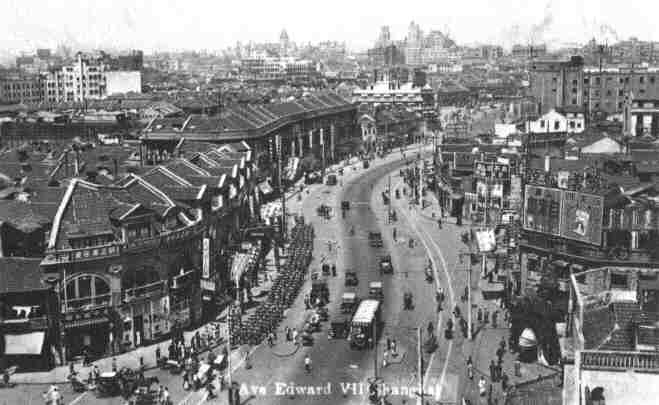
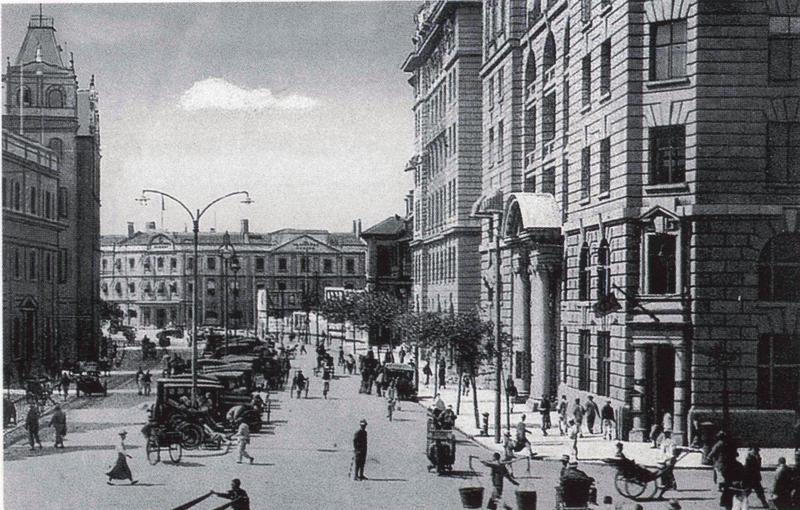
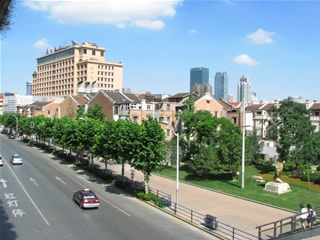
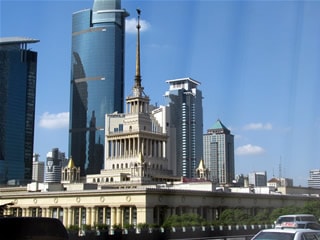
Avenue Edouard VII is now known as East Yan’an Road. Yan’an Road marks the beginning of Shanghai’s Bund, just as Avenue Edouard did back in the day. There is a continuation of the road now called the East Yan’an Road Tunnel that runs underground across the Huangpu River all the way to Pudong. Click here for an introduction to Yan’an Road’s past, as well as some information on how it is today.
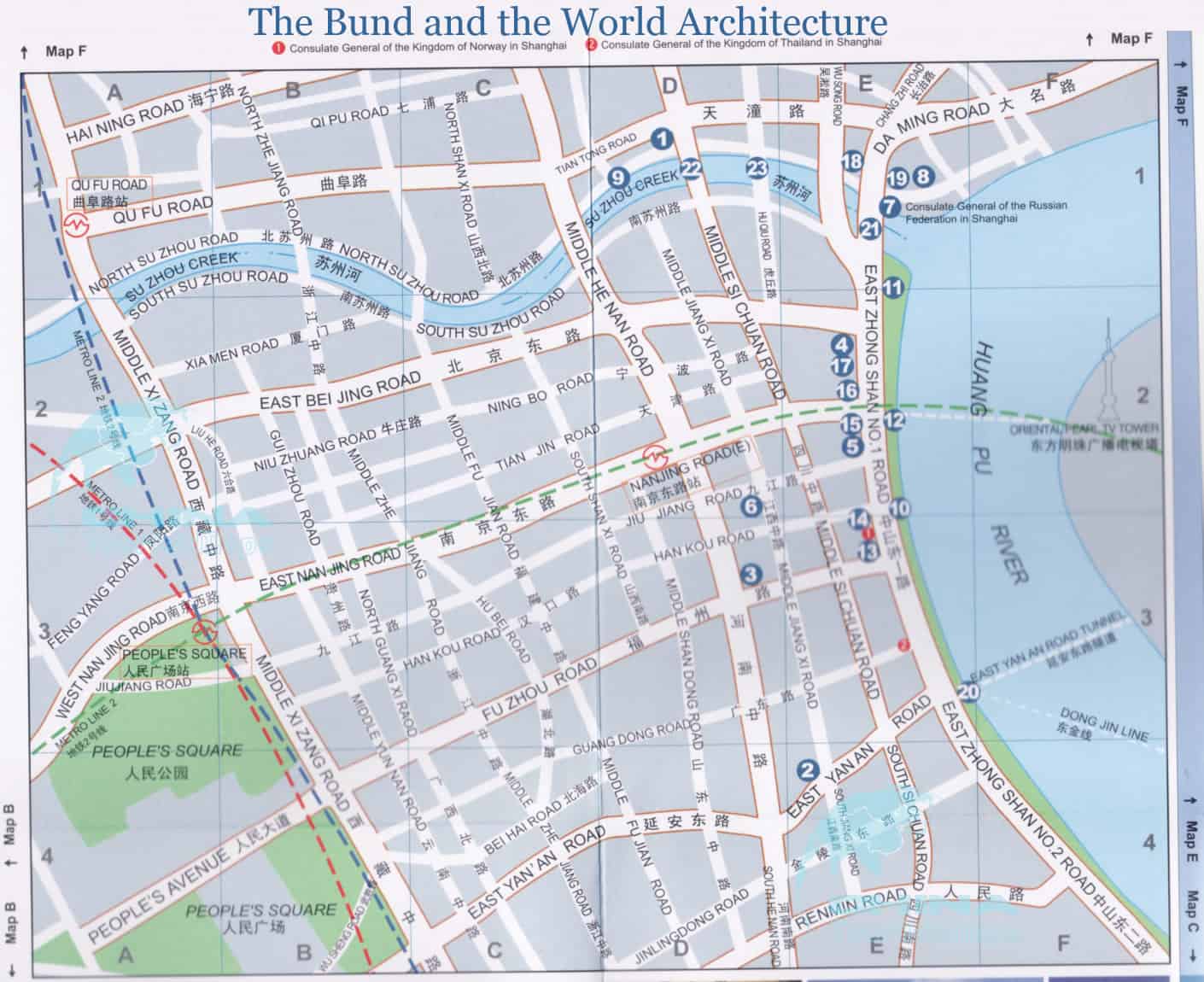
Click to enlarge
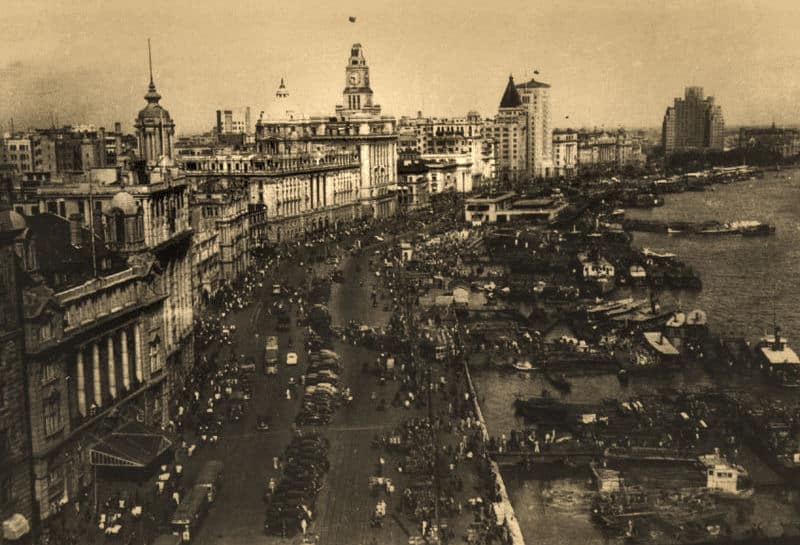
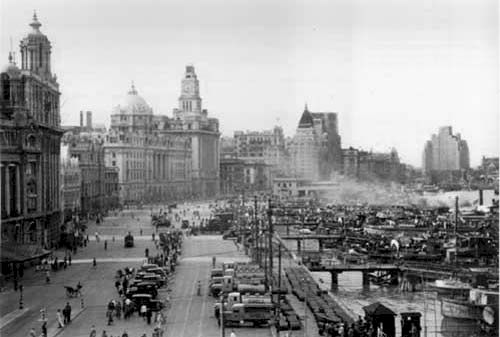
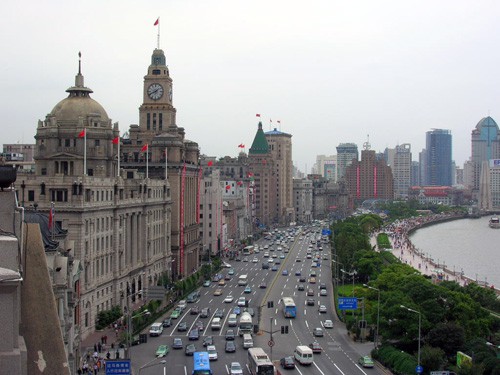
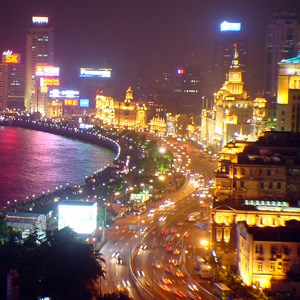
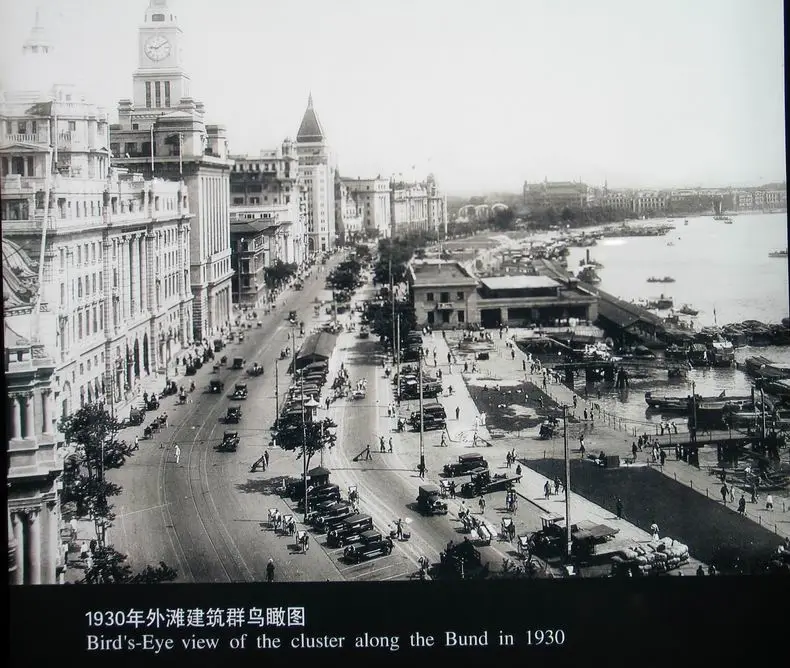
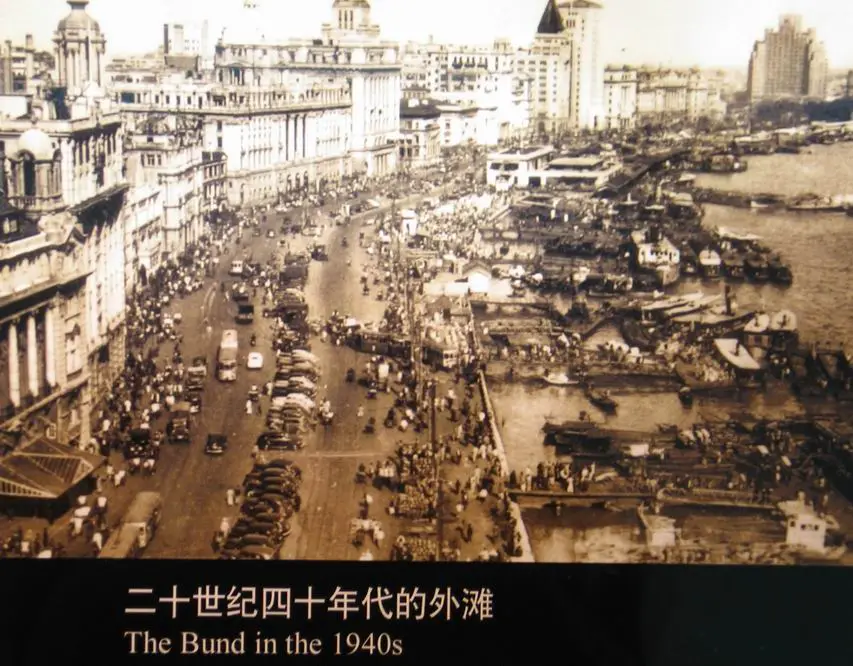
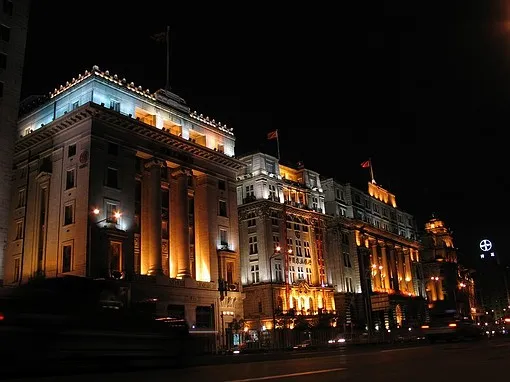
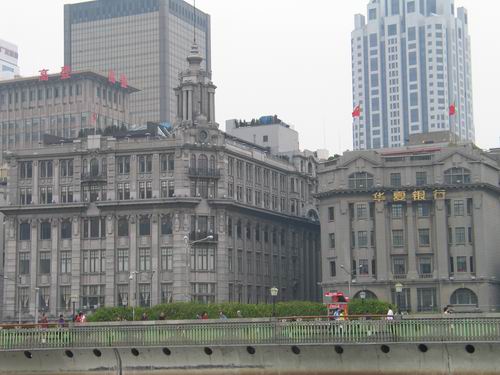
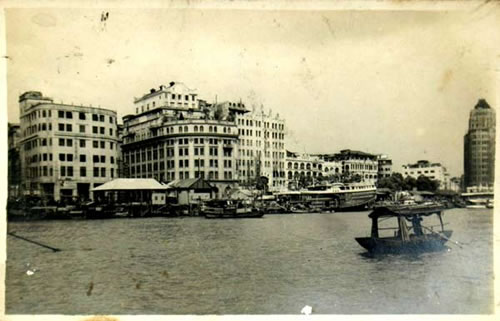
The Bund is one of the most famous landmark’s in Shanghai. Located next to Whangpoo(Huangpu) River, the Bund is a mile long stretch of Shanghai’s history. Back in the day, the Bund was the financial leader of China. Many bankers and traders from powerful countries, such as the United States, Britain, and Germany, made their home here, wanting to be a part of China’s biggest commercial hub.
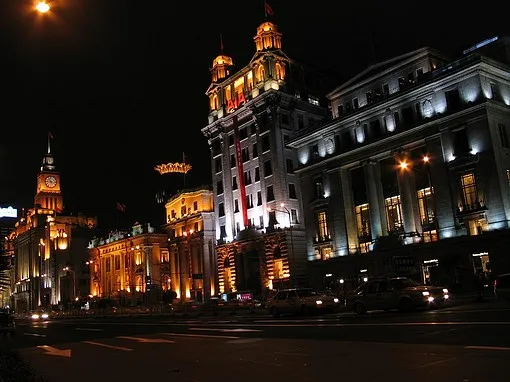
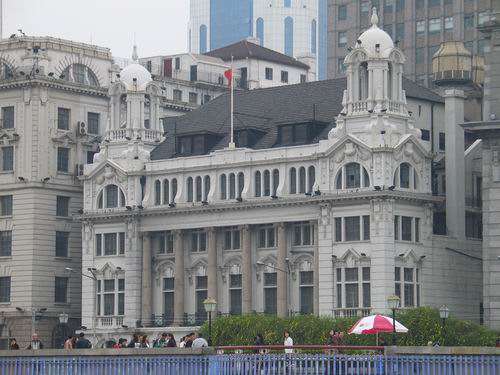
Today, the Bund no longer is a financial leader, but that has not stopped it from becoming the biggest tourist spot in Shanghai. People from all over the world come to have a taste of this historic landmark. As of today, the Bund has 52 buildings, each one an architectural masterpiece, from a Gothic to an Art Deco style design. The Bund also provides a picturesque view of the city across the Whangpoo River called Pudong, a place many say is a “21st Century Bund.”
Click here for a general overview of the Bund. This website provides a brief history of the past and also current attractions of the Bund today.
Click here for an in depth view of Shanghai’s Bund. This website provides an overall history of the Bund, as well as detailed information on the many important building’s located there.
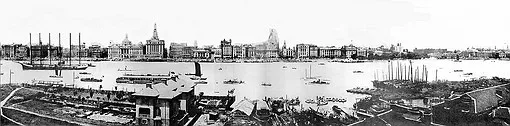
Click here to see how all the buildings looked like.
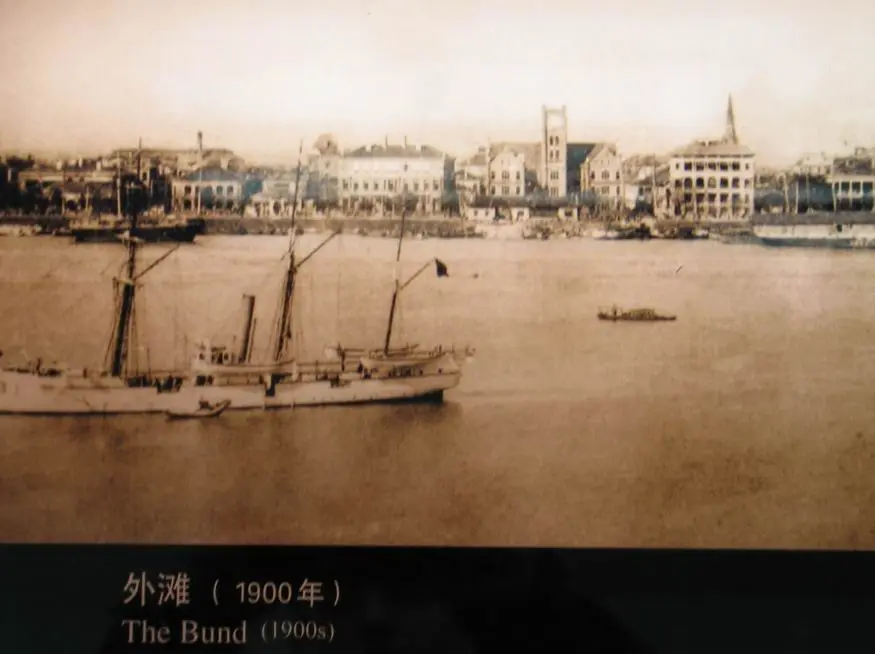
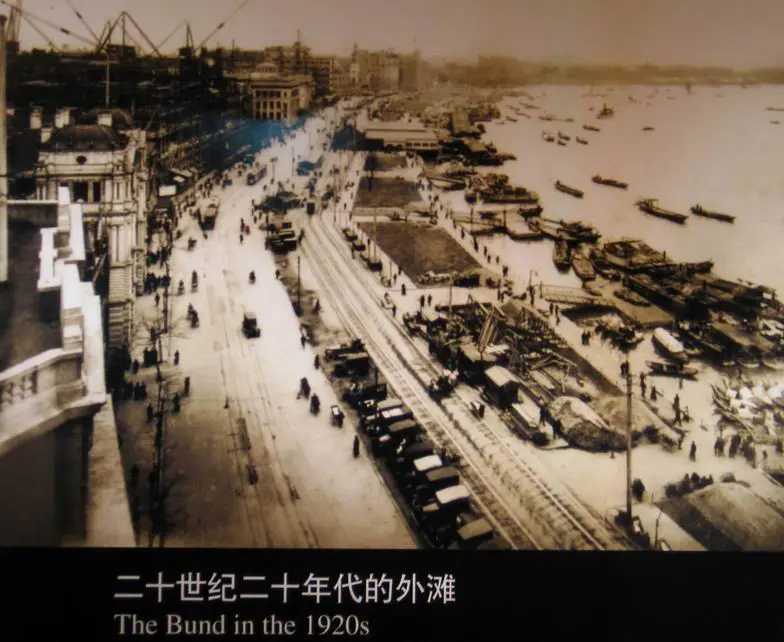
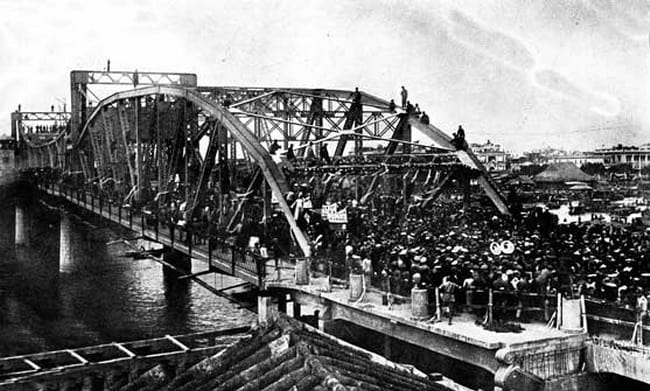
Progress of the Bund from the 1900s-1940s
Buildings from the Bund present day.
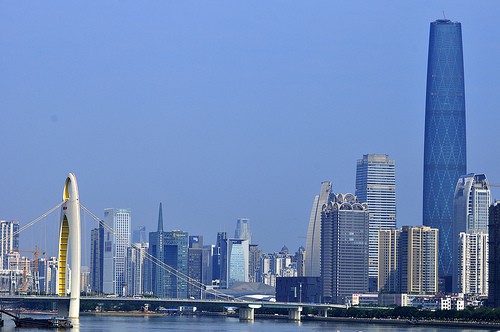
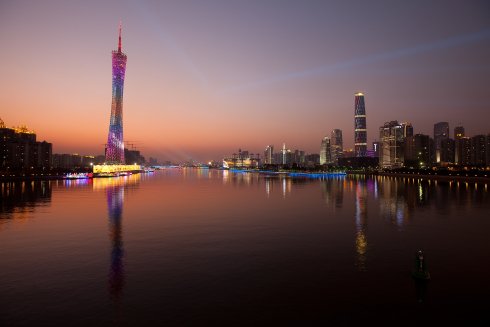
While called Canton by western speakers, Canton’s real name is actually Guangzhou. Guangzho, also called the “City of Flowers,” is the capital of Guangdong (Kwangtung) province, and to this day remains one of China’s most prominent cities. Tourist’s come to take in the many sights and attractions of this city, as well as discover it’s history that is well over 2000 years old.
Click here for a quick introduction to Guangzhou. If just a brief summary of Guangzhou is what you’re interested in, this link provides just that.
Click here for the most in depth look at the past, present, and future of Guangzhou. This website is dedicated to anything and everything Guangzhou, having subjects from the history to the current nightlife of the city.
Click here for a website that provides information on many diverse topics, varying from Guangzhou’s language and customs, to even their different modes of transportation.
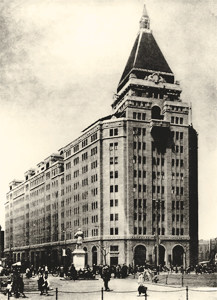
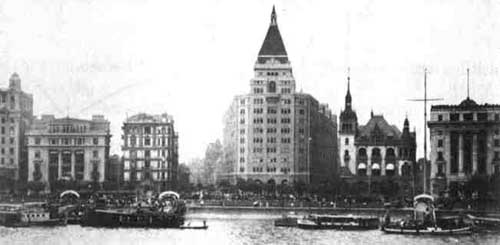
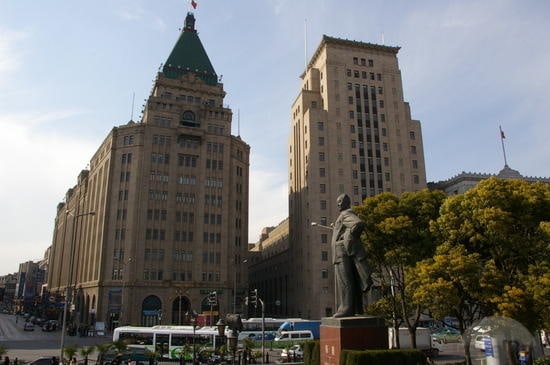
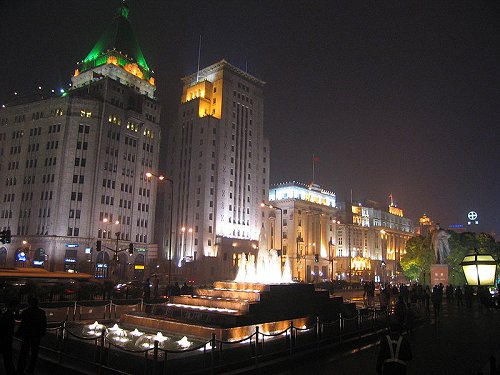
Opened in 1929,The Cathay Hotel was known as the “Number One mansion in the Far East,” due to it’s excellent location on the Bund and it’s tales of luxury. This international hotel housed important people from all over, but lost some of it’s s brilliance during WWII, when the Japanese used it as headquarters.
Nevertheless, the Cathay Hotel (now known as the Fairmont Peace Hotel), remains a historic landmark of Shanghai. The hotel was closed in 2007 for refurbishment, but re-opened in 2010. Visitors come from everywhere to see this grand hotel and taste a piece of Shanghai history.
Click here for a history from the Fairmont Peace Hotel itself.
Click here for more information on the newly refurbished Fairmont Peace Hotel. This website provides more information of the new design of the hotel.
Click here to learn more about the hotel.
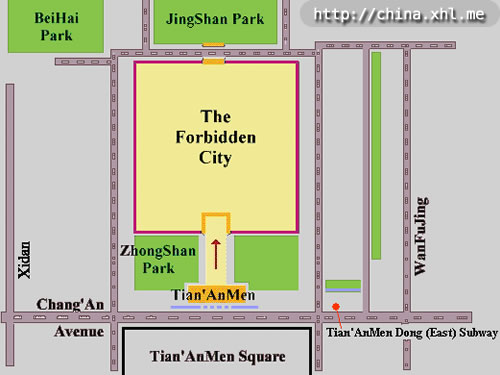
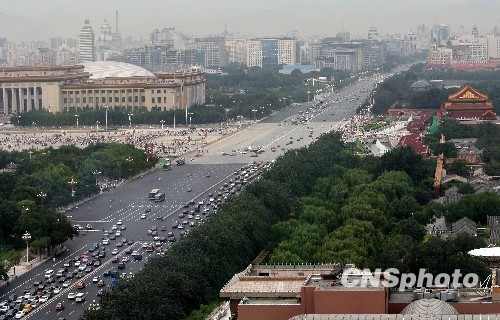
This is the street that is in between the Imperial Palace the Tian’An Men Square. Click here for more information.
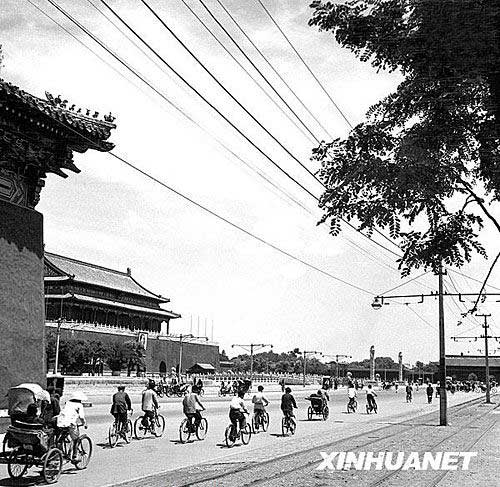
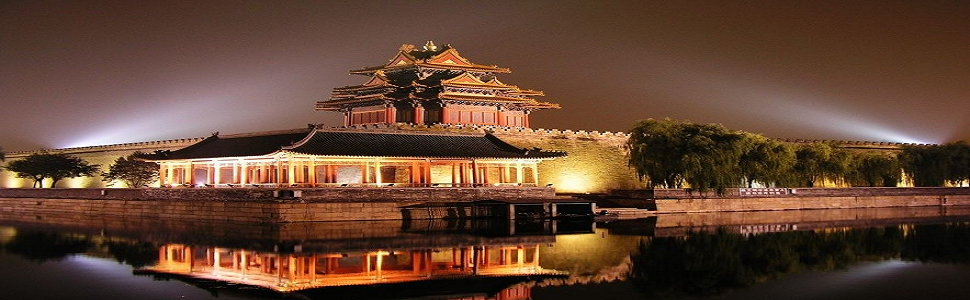
Chunghanhai is now known as Zhongnahai, which means “central and southern seas,” which mentions the two lakes located within the compound. Zhongnanhai is located in central Beijing near the Forbidden City. Its purpose is to serve as a holding compound for the Communist Party of China and State Council.
Click here to read about the military background and history of Zhongnanhai.
Click here to briefly learn about Zhongnanhai.
Click here for more background information about Zhongnanhai.
Click here to read an article by Time about Zhongnanhai.
Zhongnanhai has been home to the highest ranking members of the communist party since its founding in 1949. It is home to the governing bodies known as:
Offices of the Central Committee of the Communist Party
The State Council
The Central People’s government
The Military Commission of the Party Central Committee
The building resides next to the Imperial Palace:
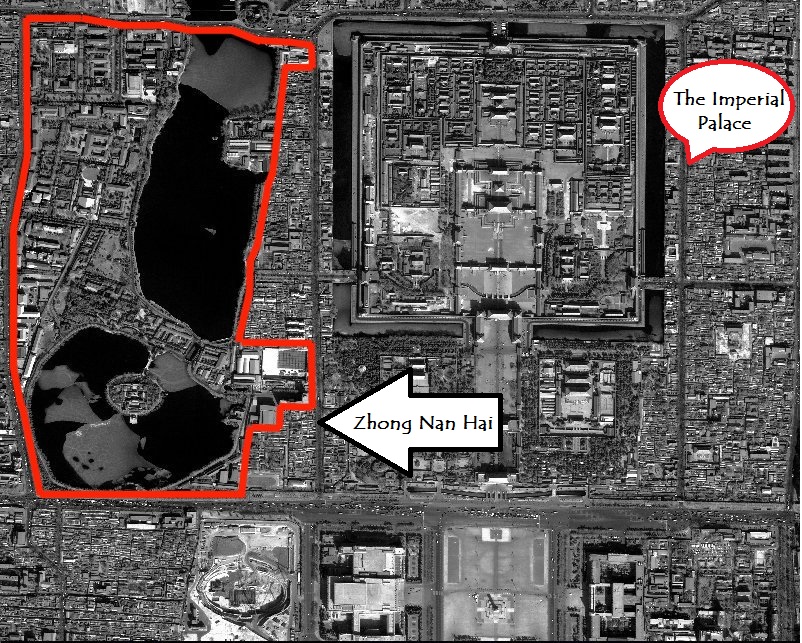
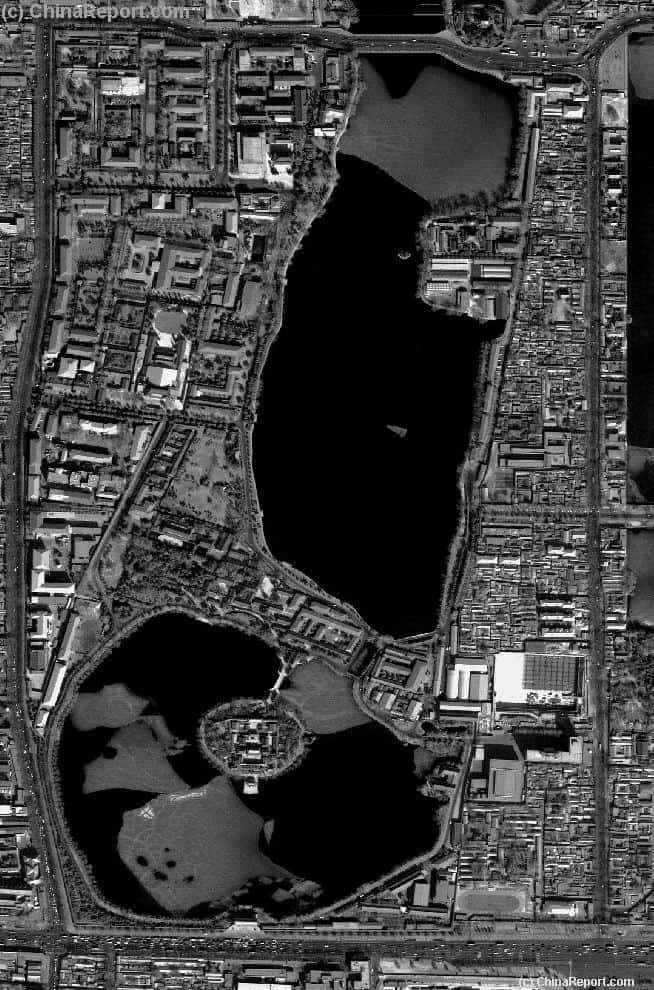
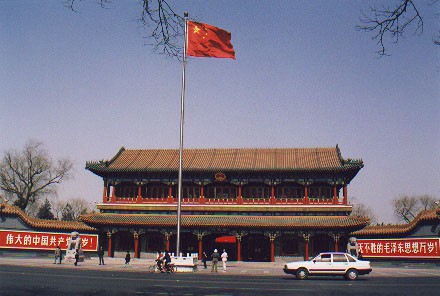
the history of the “Chinese Kremlin.”
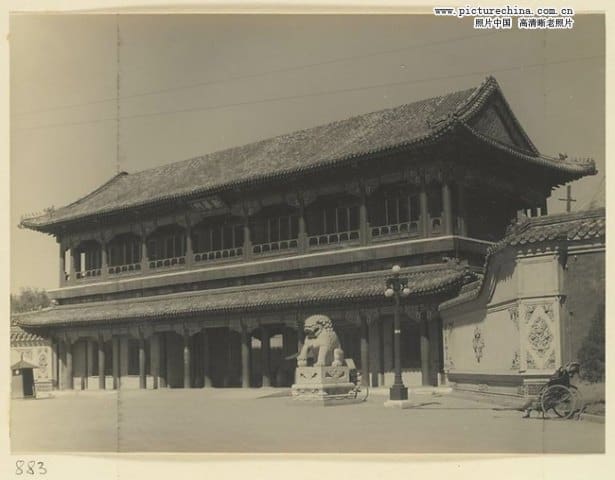
of the building known as the Zhong Nan Hai.
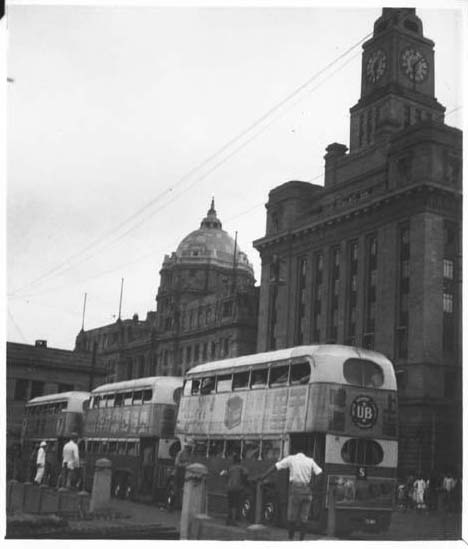
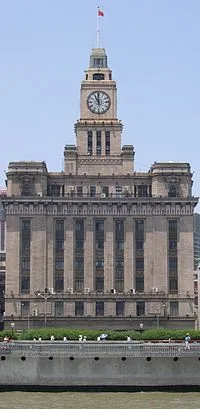
The Custom House was first set up in 1684 after the Kangxi Emperor lifted the sea trade after conquering Taiwan. In 1927 it became an eight story building that resides along the Bund in Shanghai, and still remains a custom house today.
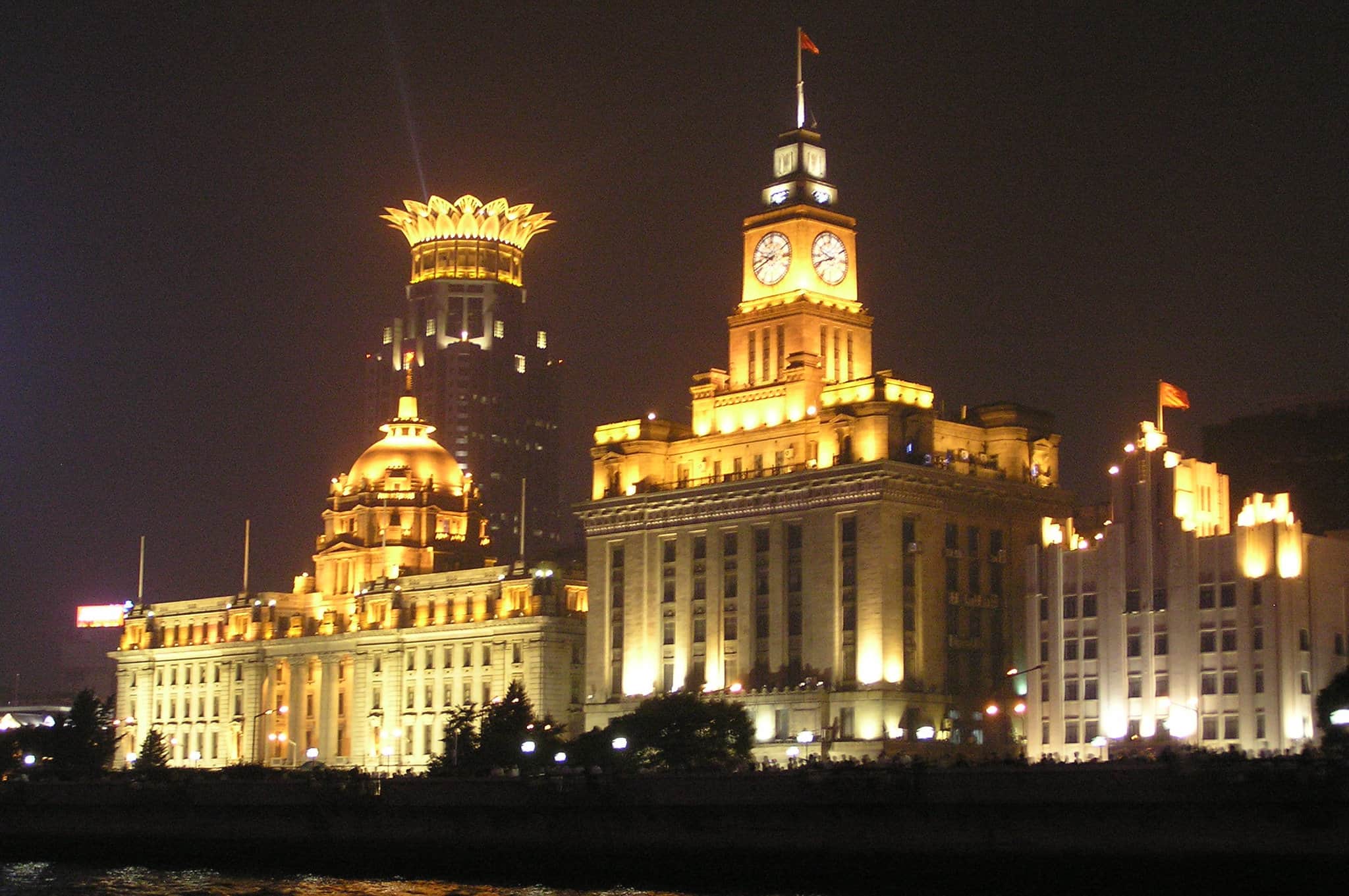
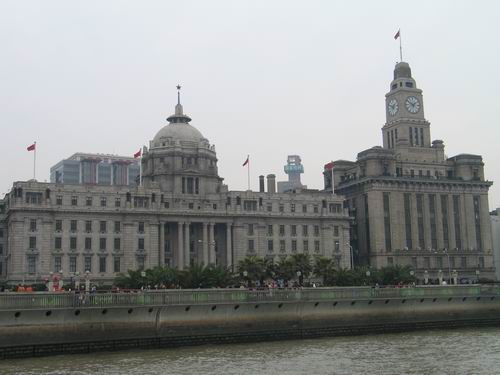
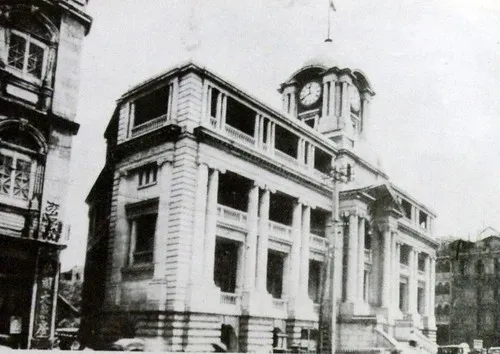
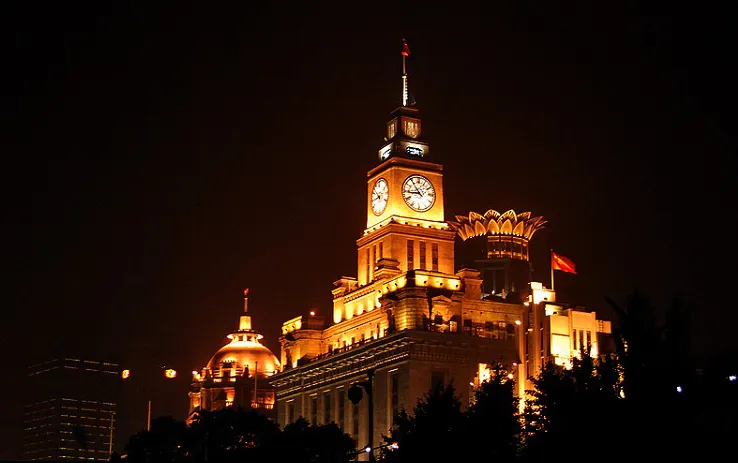
The Custom House is building No.13 along the Bund. Click here to learn more.
“Built in 1927, this building replaced one built in 1843 in the English Tudor style. When the latter was demolished, the old clock ‘Big Ben’ was put into the present tower. The story goes that after the clock was installed there were fewer fires in Shanghai. The Chinese attributed this to the bell, which struck every quarter hour. When the God of Fire heard the bell he thought it was a fire bell and decided that Shanghai had quite enough fires already-so he would not send them any more. During the Cultural Revolution the bell works were dismantled and replaced with 40 loudspeakers which played the anthem praising Mao Zedong, ‘The East is Red.’
“On October 1, 1986, the clockworks of ‘Big Ben’—renamed ‘Big Ching’—were replaced in the tower, but now the sound of the bell is lost in the traffic roar of the Bund. Like The Hong Kong and Shanghai Bank next to it, the Customs House lobby also features mosaics. In keeping with the building’s maritime role, they are of Chinese junks…” (Eastday.com).

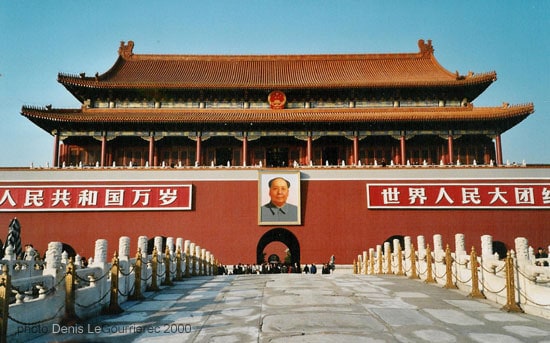
The Forbidden City (known back in the 50′s and 60′s as Peking), is situated in the capital of China, Beijing. It is a rich architectural structure of Chinese history. In the past it was known as the Forbidden City but today it is referred to as the Imperial Palace. It took 15 years to complete and has housed 24 emperors from 1421 to 1911. The Forbidden City is also the place where Mao Zedong proclaimed the birth of the People’s Republic of China on October 1st, 1949 from the Gate of Heavenly Peace. Today it is a home to many priceless artifacts and a museum to many tourists.
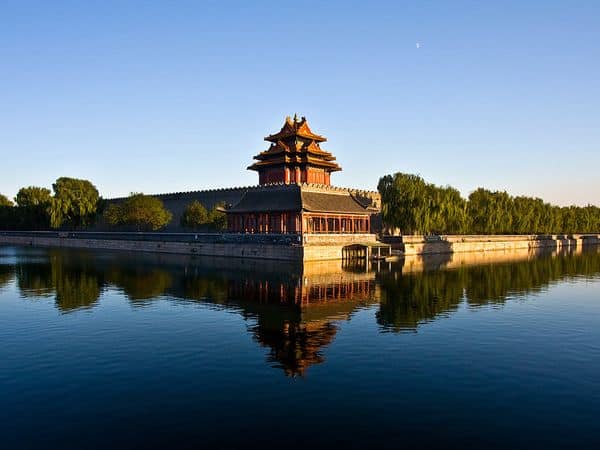
(Photo from National Geographic)
The Forbidden City is listed as a World Heritage site and contains a palace complex with 9,999 rooms—nine being a lucky number for the superstitious Chinese.
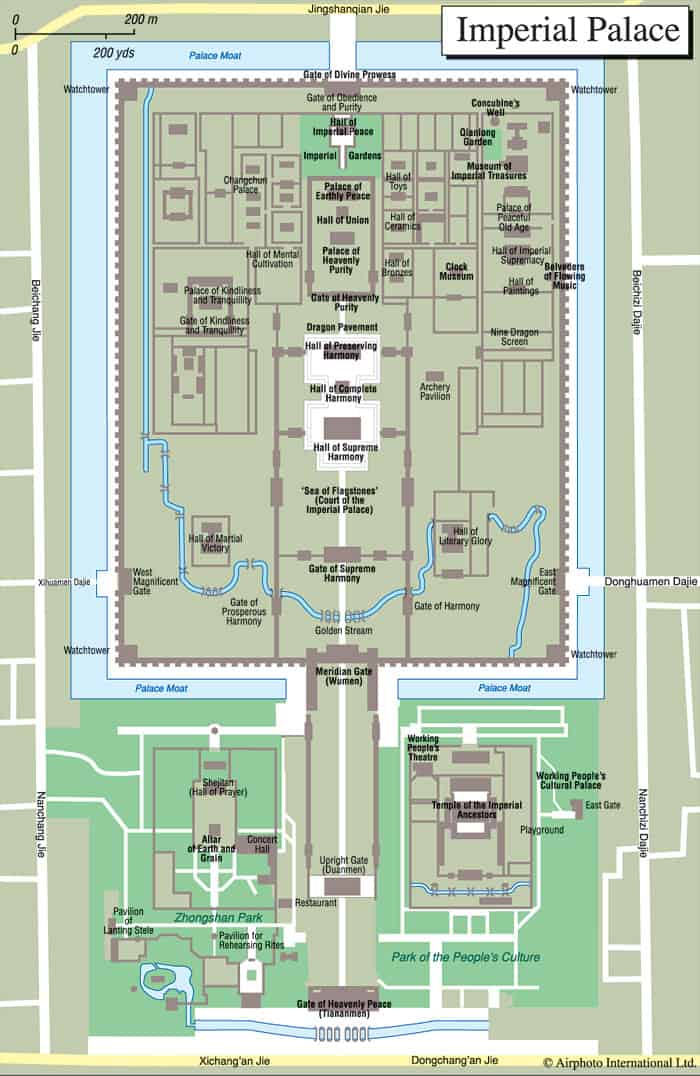
This is a map of the Imperial Palace and some of the over 9,000 rooms within its great walls.
Click here for a description of the rooms within the Imperial Palace.
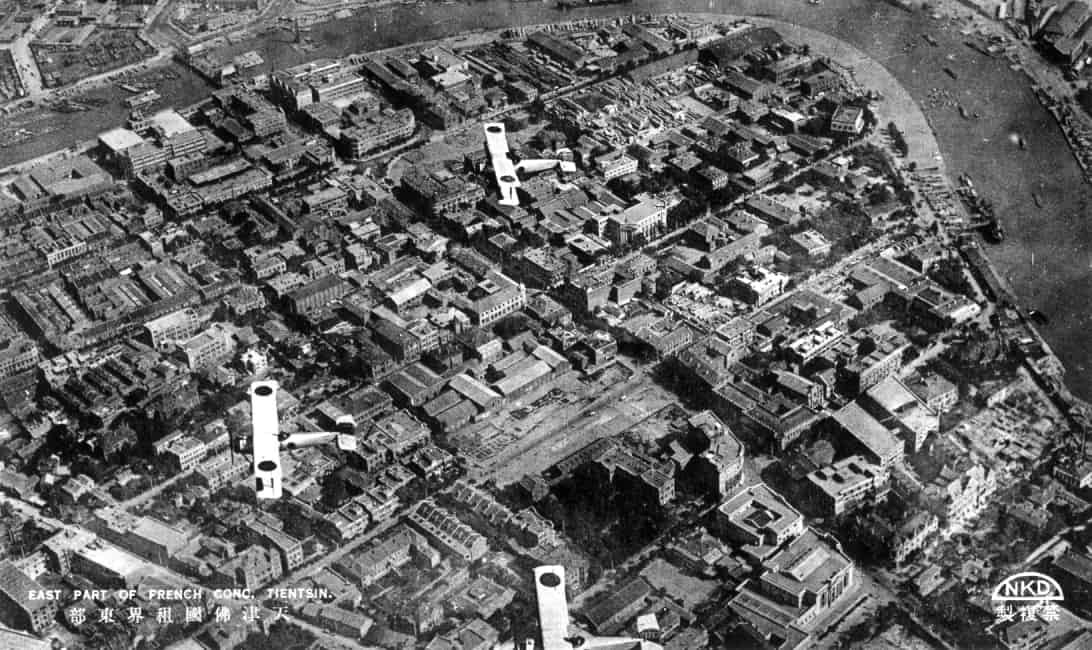
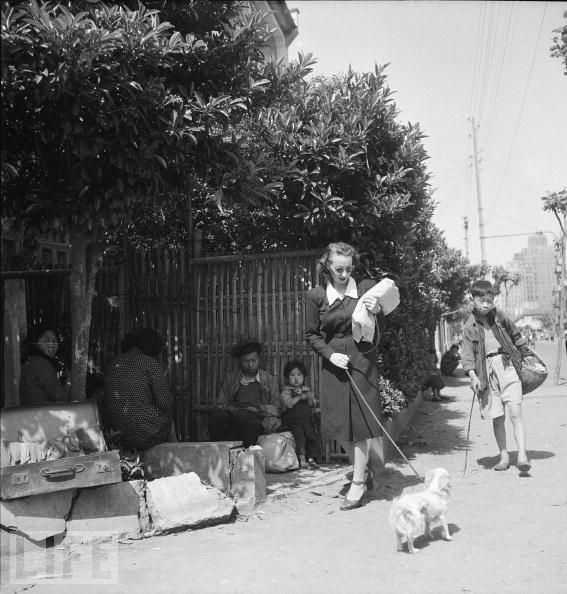
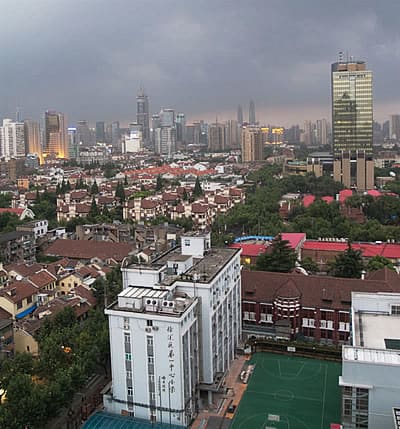
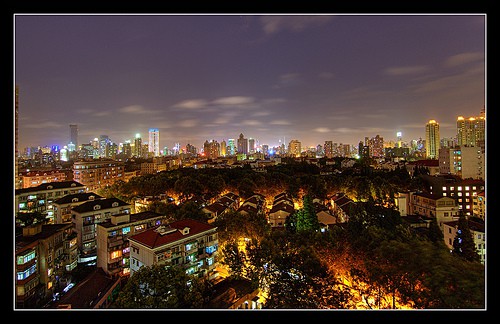
The French Concession was an area in Shanghai that expanded over many districts. It began mainly as a place for French businessmen to meet up and trade. Eventually, the French Concession attracted people of all different races, and soon became a highly desirable area to live in. The French Concession came to an end in 1946, when it’s owner surrendered it to the Japanese in 1946.
Now called the Old French Concession, it no longer exists as a whole, but still remains, just on a smaller scale. It is now mixed in with the modern day Shanghai, and serves as a reminder of the past.
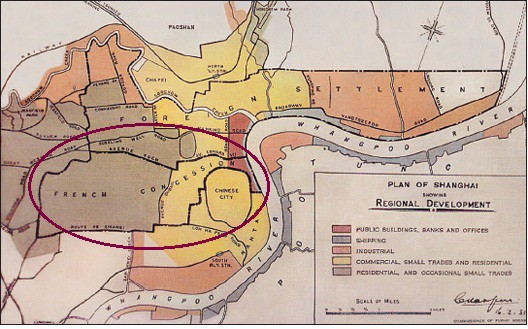
Click here for a brief history as well as some pictures of the Old French Concession.
Click here for an introduction to how the French Concession is today.
Click here for a video that provides you a taste of the French Concession now.
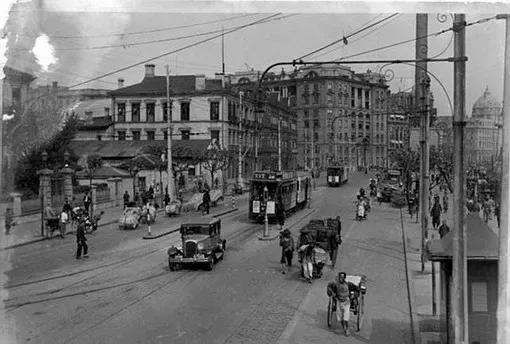
Click here to learn more about the French Concession.
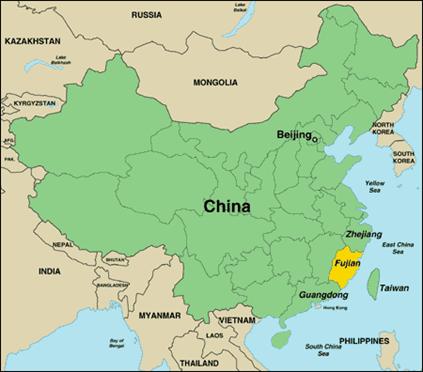
Fukien is now known as Fujian, a southeastern province in China. It is often described as “Eight parts mountain, one part water, and one part farmland.” It is most known for its beautiful and natural landscapes.
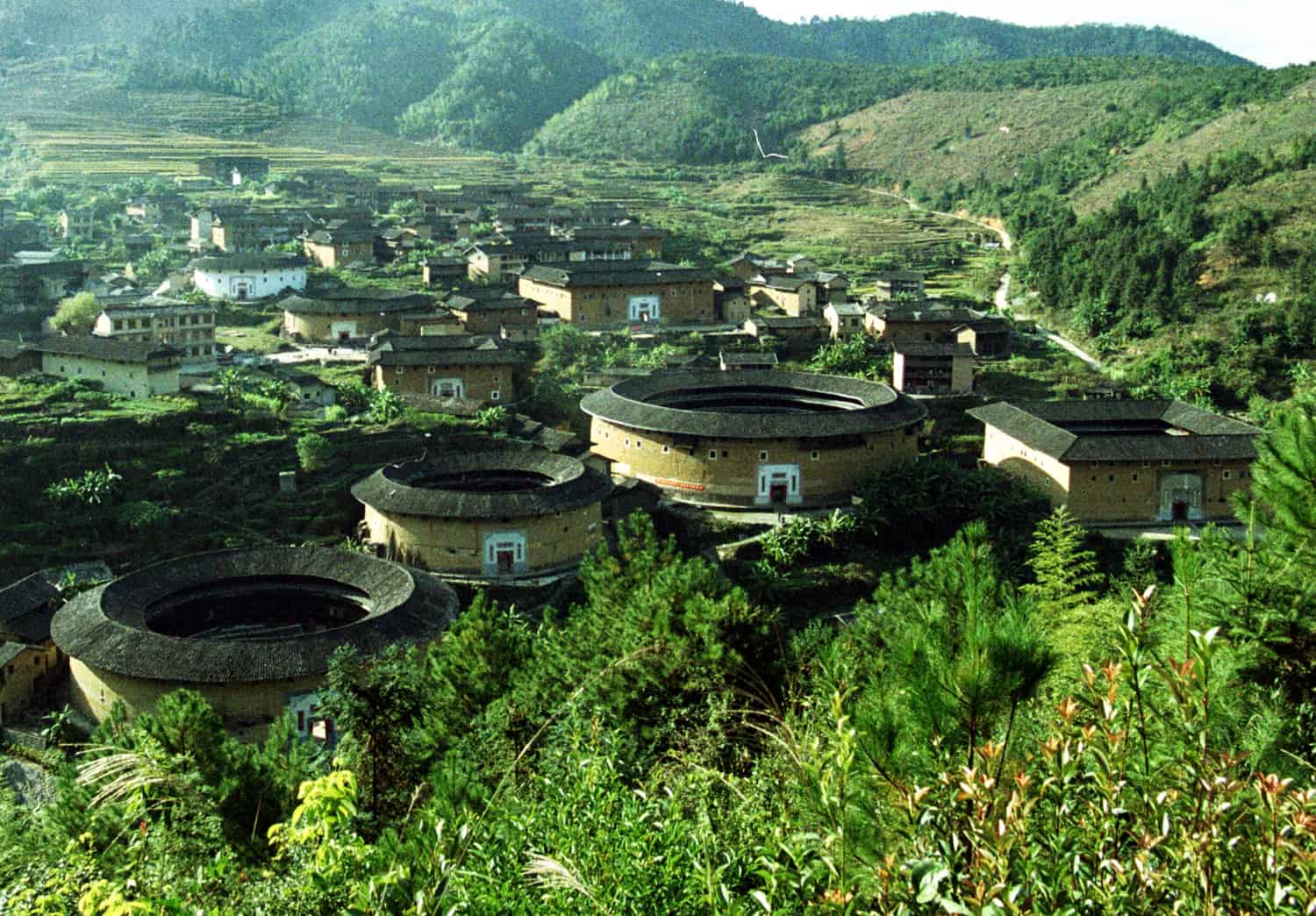
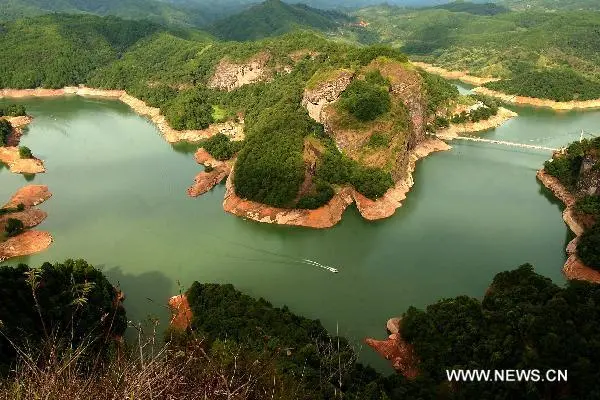
Click here to learn more about Fujian’s land, people, economy, government and society, cultural life, and history.
Click here to learn about the history of Fujian.
Click here to learn about the landmarks in Fujian.
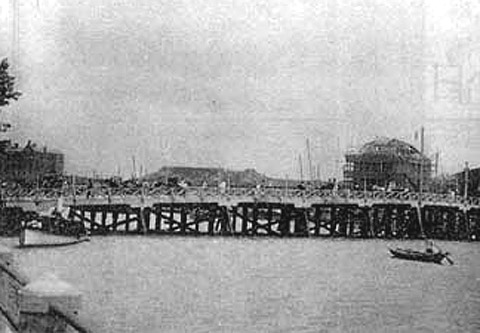
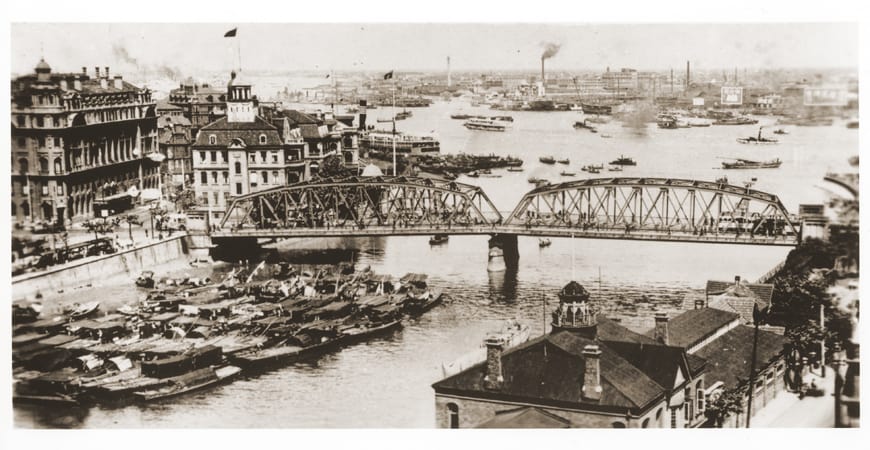
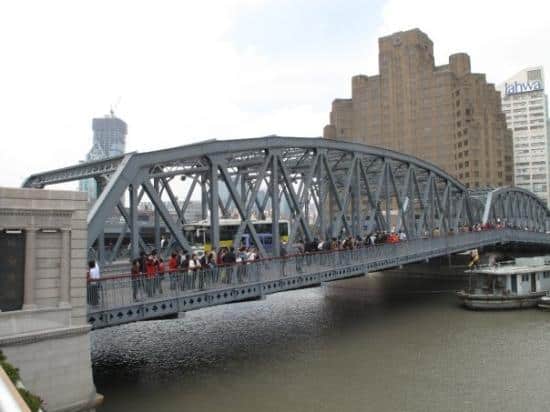
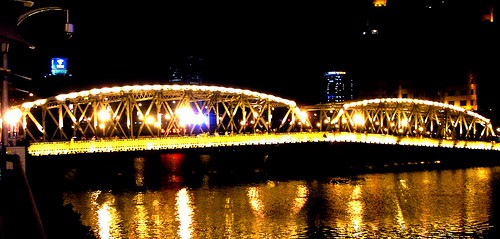
The Garden Bridge’s true Chinese name is Waibaidu Bridge. The Waibaidu Bridge was actually built 100 years ago, but was made of wood, not steel. The steel bridge that we know today was constructed in 1907, and became the first steel bridge ever in China.
The bridge has remained the same since it’s steel construction, but was deconstructed on 2008 for renovation. It has since been reconstructed and remains a landmark on the Bund that many come to enjoy.
Click here for a brief introduction to the Waibaidu Bridge.
Click here to learn about it’s history as well as see many pictures of the Waibaidu Bridge, past and present.
Click here to read up on the Waibaidu’s recent renovation in 2008, and also some interesting background on this historic bridge.
The Garden Hotel used to be the French Club where Pearl and May would attend parties. The French Club, or Cercle Sportif Française, opened in 1926 and now forms part of the Garden Hotel. The French Club had a less exclusive membership policy than other clubs in the city. It allowed women to join (only 40 at a time) and was the first foreign club that permitted Chinese. After the People’s Republic of China emerged, the French Club was used as a People’s Palace. Chairman Mao Zedong had his stay here whenever he visited Shanghai. Some of the French Club’s features included an indoor swimming pool, multiple tennis courts, and a grand ballroom with a stained glass elliptical ceiling.
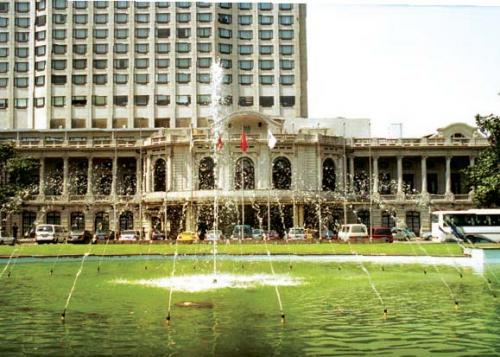
Now, it is a 33 story high building with a seven-acre garden. This hotel is favored by state guests and business executives. It consists of 500 guest rooms, including 22 suites.
Click here to visit the Okura Garden Hotel’s website.
Click here to see photos of the current interior of the Garden Hotel.
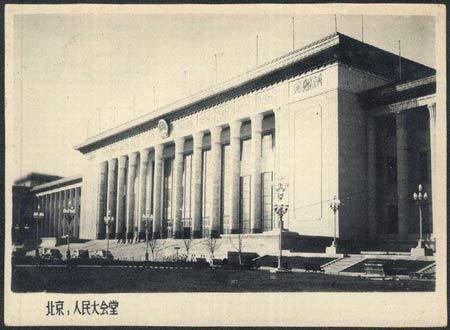
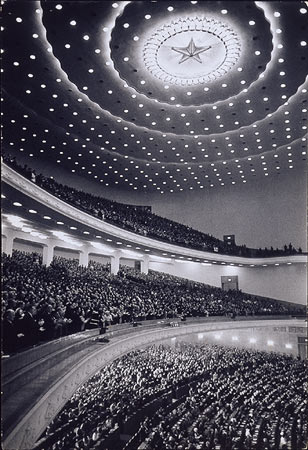
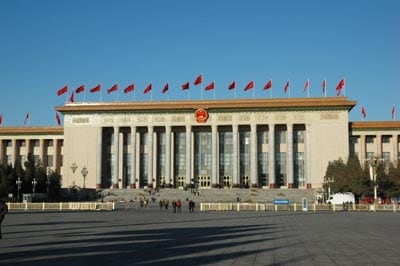
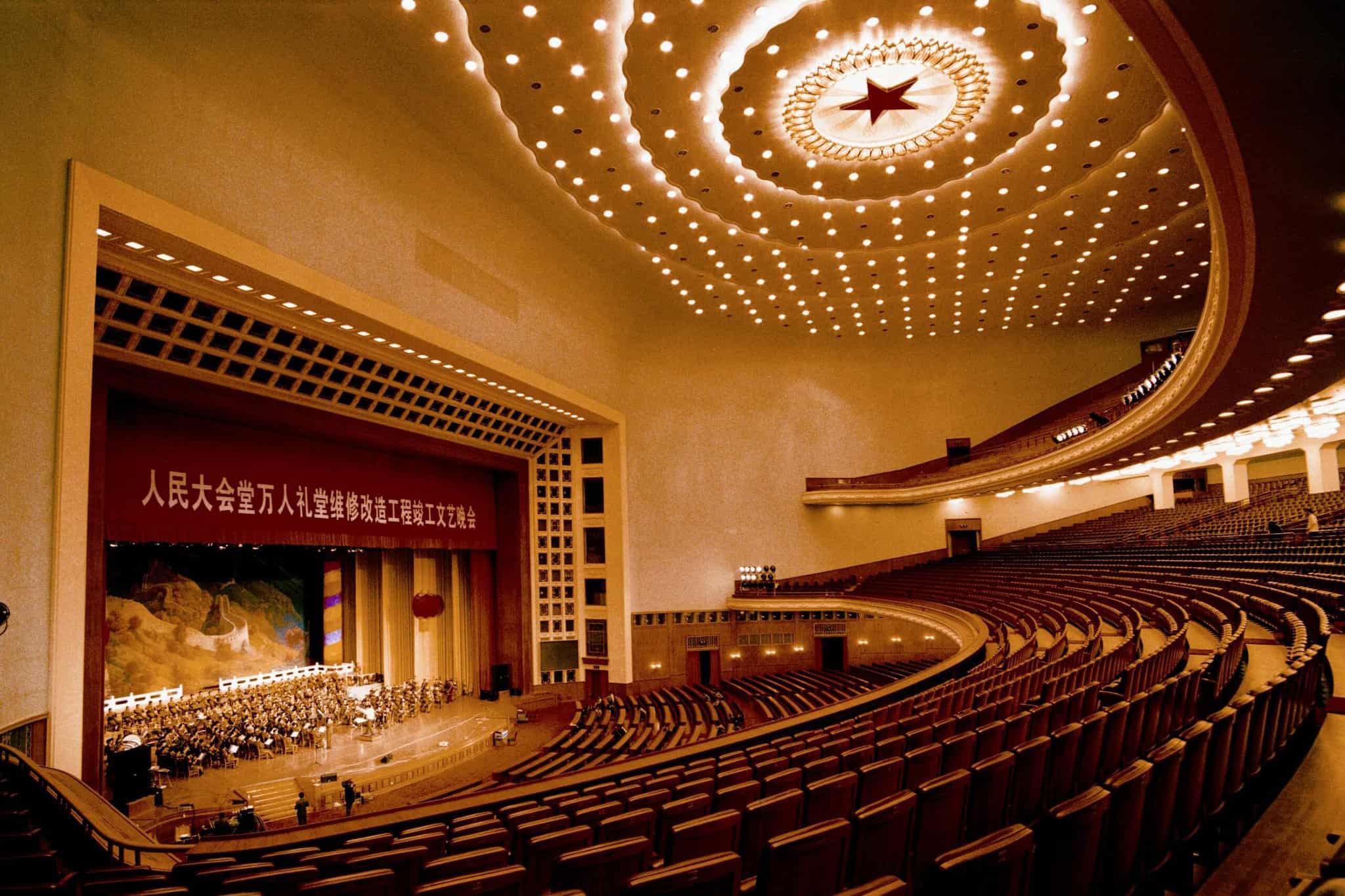
The Great Hall of People was part of the “Ten Great Constructions” for the 10th anniversary of the People’s Republic. President Mao Zedong was the one who gave the named the building when he saw all the volunteers who helped build it. The Hall was built in 10 months, from November 1958 to September 1959. Click here for a website that gives a brief introduction to the Great Hall. Click here for a website dedicated completely to The Great Hall of the People. Includes information on the history, the different rooms, structures, and more.
The Great Wall of China is one of the greatest wonders of the world. With over a history of 2,000 years, this wall has been through many dynasties undergoing various constructions. The Great Wall stretches 4,500 miles from east to west in northern China to protect the northern borders from attacks.
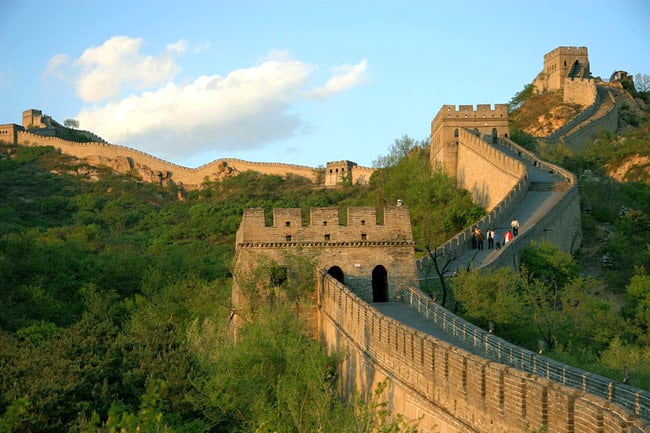
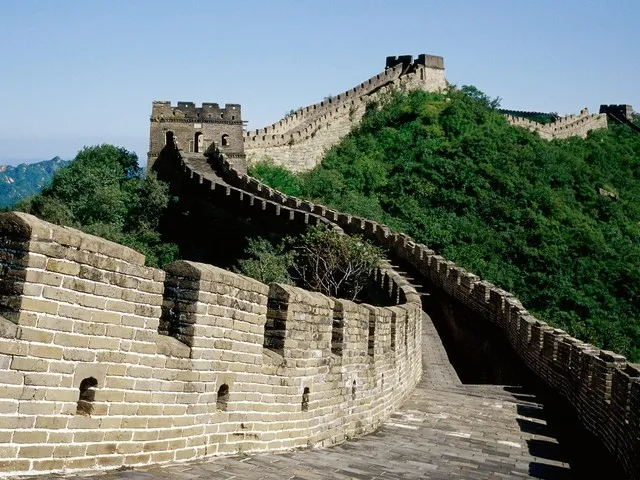
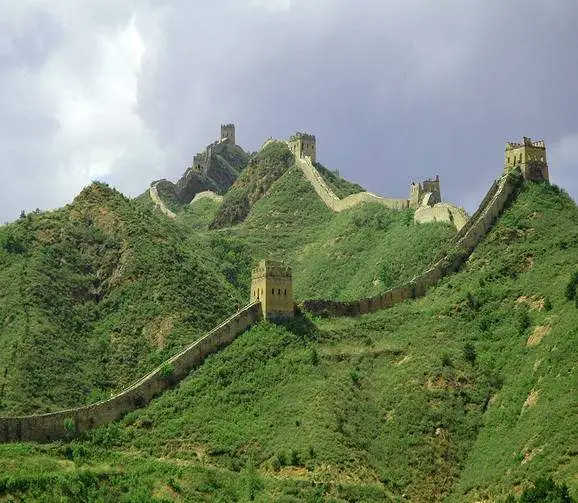
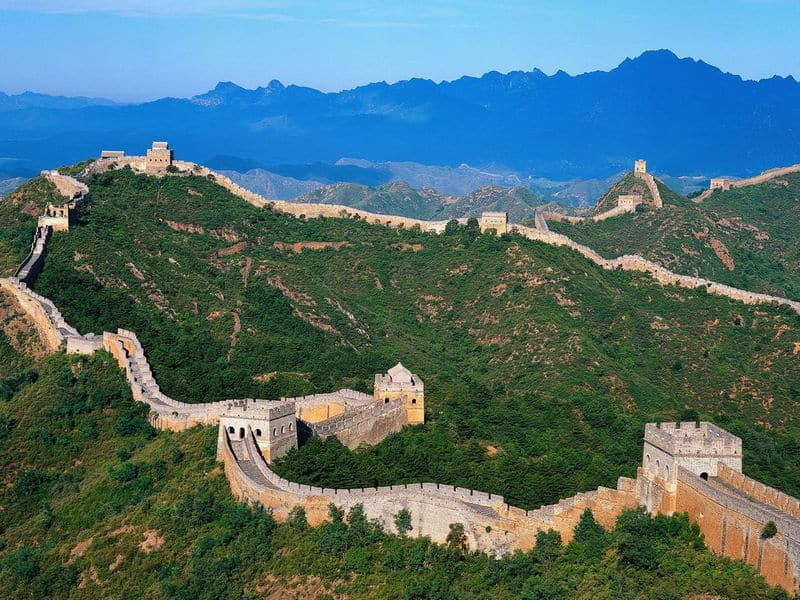
Click here to learn about the Great Wall and the well known sections.
Click here to learn about the history and design of the Great Wall.
Click here to learn about the history of the Great Wall such as its beginnings, secrets, defense, costs, changes, and history during different dynasties.
Click here to learn about the Great Wall and background information.
Click here to learn about the Great Wall by time period.
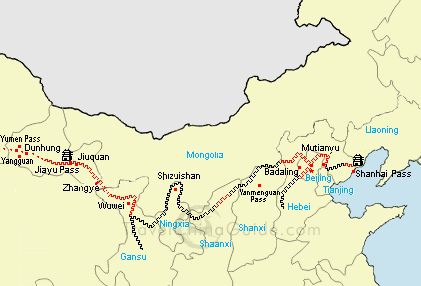
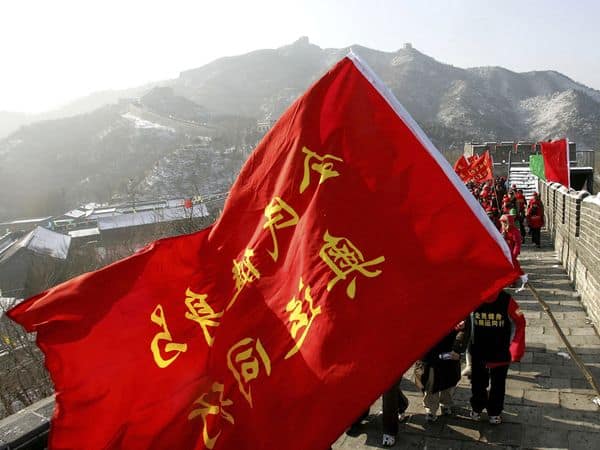
To celebrate the New Year, thousands of people climb restored sections of the Great Wall.
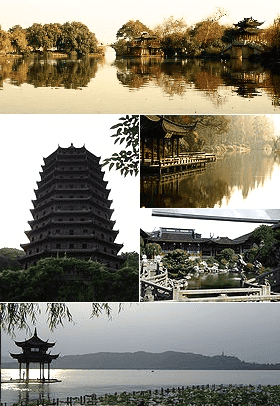
Click here to learn more about the history of Hangchow, also known as Hangzhou.
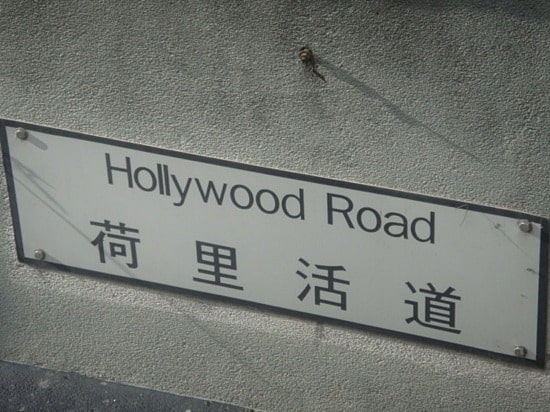
Click here to learn more about the Hollywood Road.
Hollywood road is in Hong Kong, and it is a street full of Antique shops and open air-markets. Other landmarks present in the road are the Man Mo Temple and the Central District Police Station.
Man Mo Temple
The Man Mo temple was built in the 1800’s and it is a temple that worships the gods known as Man the god of literature and Mo the god of war. to learn more click here.

The Central District Police Station
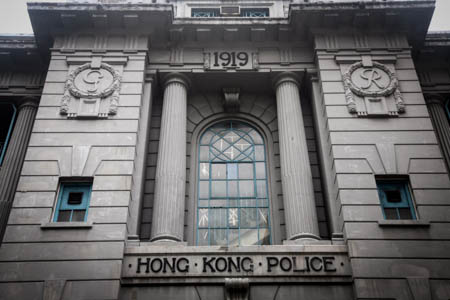
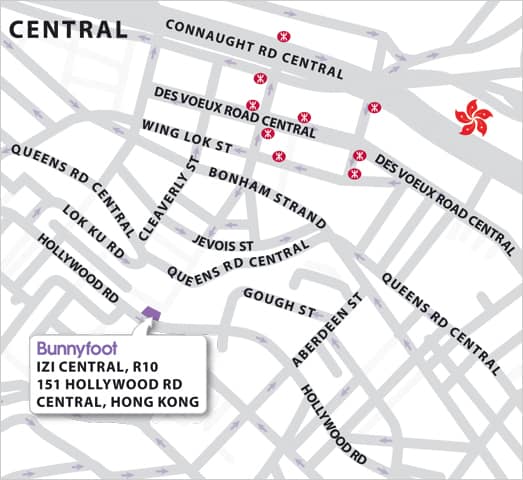
The Central District Police Station it was built in 1864. Its architecture is that of Victorian and Ewardian roots. It functioned as a prison, dormitory, and police station, but was closed down after WWII and moved to Wan Chai. Click here for a map.
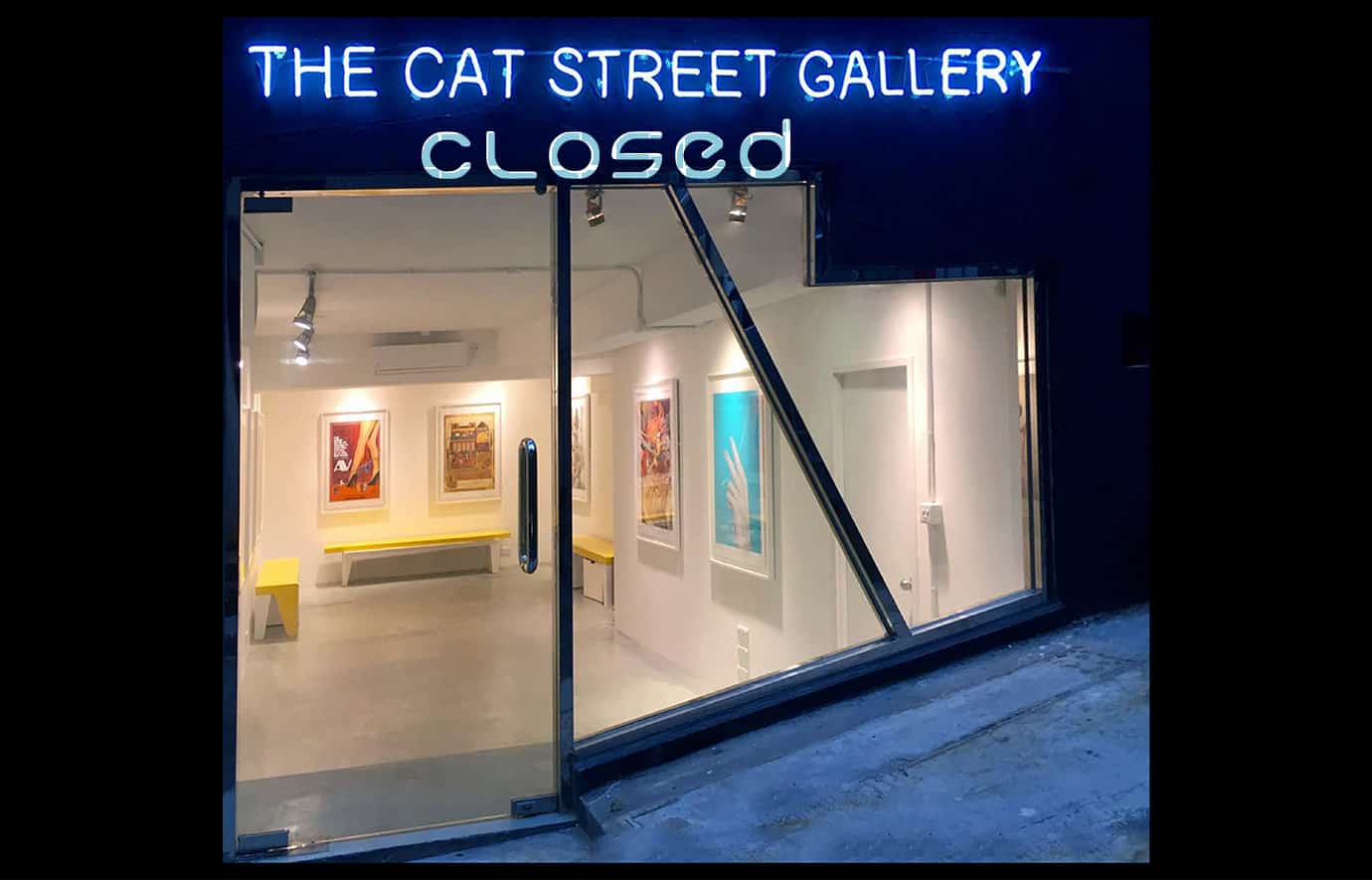
Long known for its antiques shops, Hollywood Road is now becoming an arts district with galleries and design shops.
“So, out into the streets. Hong Kong bustles with life: flower and bird sellers, street markets, British businessmen in three-piece suits, beautifully dressed women holding umbrellas to shield them from the sun. I would say that Hong Kong is just a bigger, gaudier, richer, more cosmopolitan version of then I’d have to admit that it isn’t like my adopted home much at all, except for the food, the dreams of white tourists, and the Chinese faces. I could say Hong Kong is closer to how I remember Shanghai, with its lively waterfront, the sex and sin for sale, and the smells of perfume, coal, and delectable treats being cooked right on the street” (See 46).
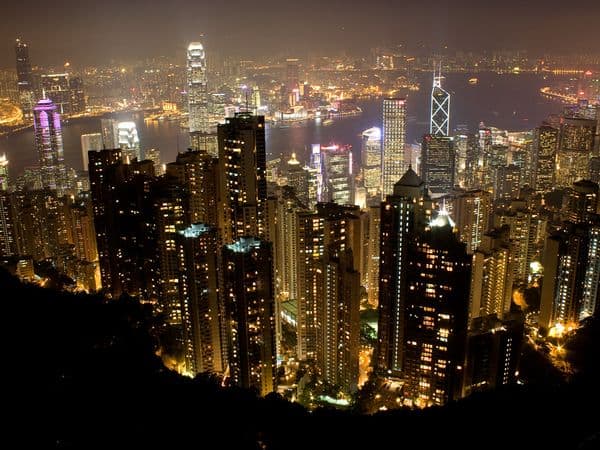
Hong Kong is a special administrative region located on the southern coast of China. Over the years, Hong Kong has grown over the years physically and economically. Hong Kong, meaning “fragrant harbor”, is a renowned waterfront being known for one of the world’s center of trade and industry.
Past
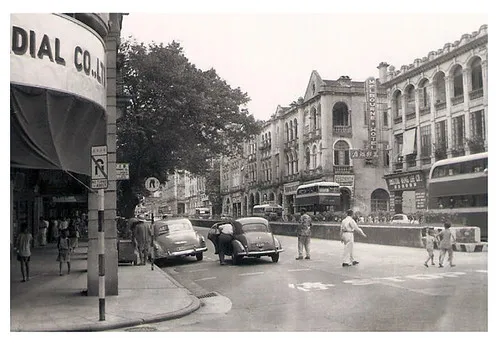
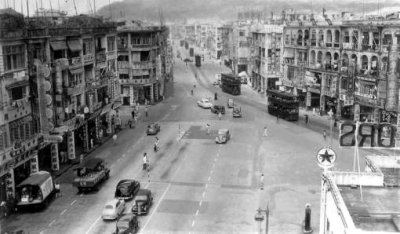
Click here to read an article written by The Atlantic Report in June1957 that described Hong Kong.
Click here to learn more about Hong Kong’s land, people, economy, government and society, cultural life, and history.
Click here to learn more about the establishment of Hong Kong.
Click here to learn more about the history of Hong Kong.
Click here to read quick stories about how Hong Kong got its name.
Present Day
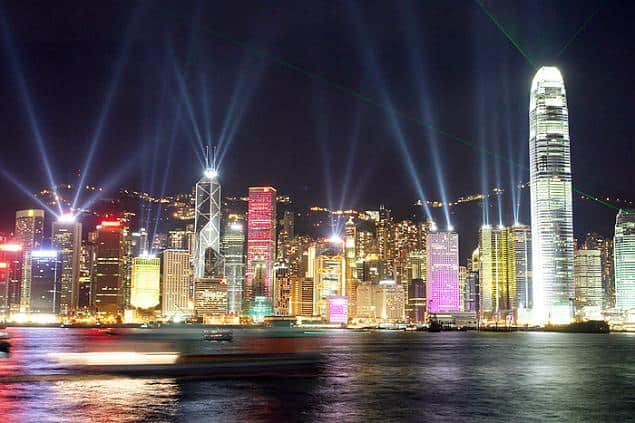
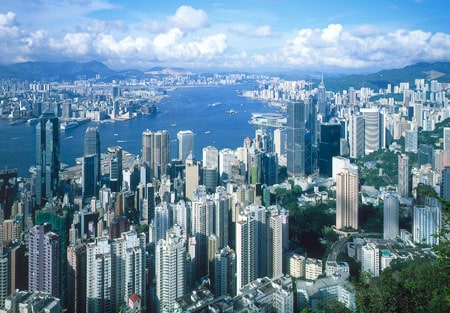
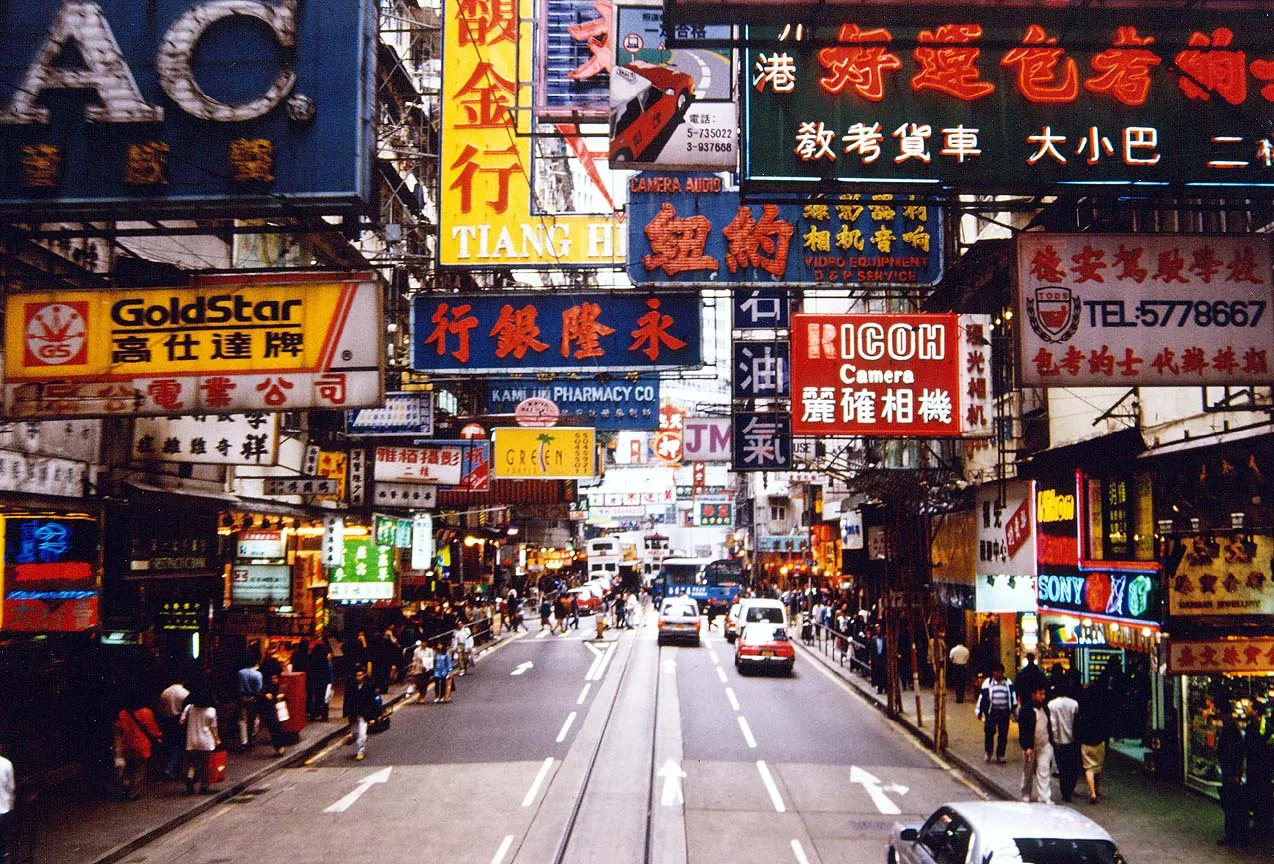
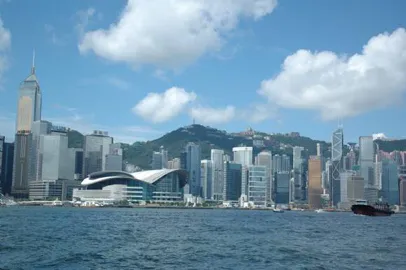
More than seven million people live in densely packed Hong Kong.
Click here to learn about all things Hopei, now called Hebei.
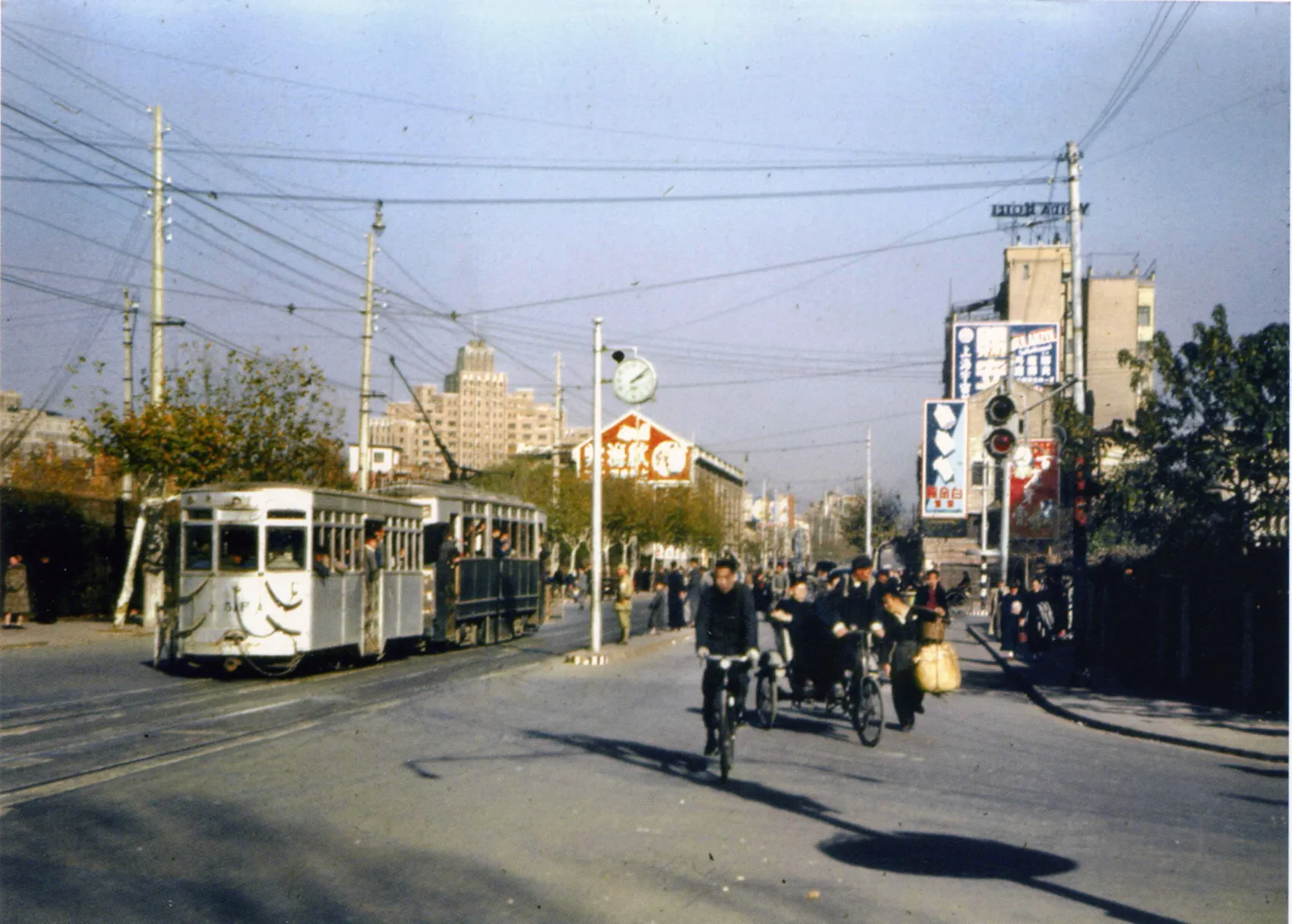
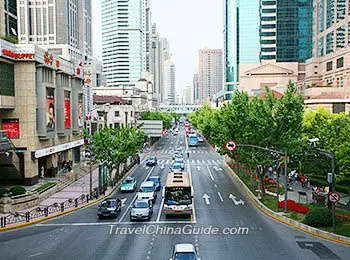
Huaihai Road used to be known as Avenue Joffre which was part of the French Concession. Now Huaihai Road stands to be a major shopping and entertainment center with around 400 stores. Click here to learn more about Huaihai Road’s history.
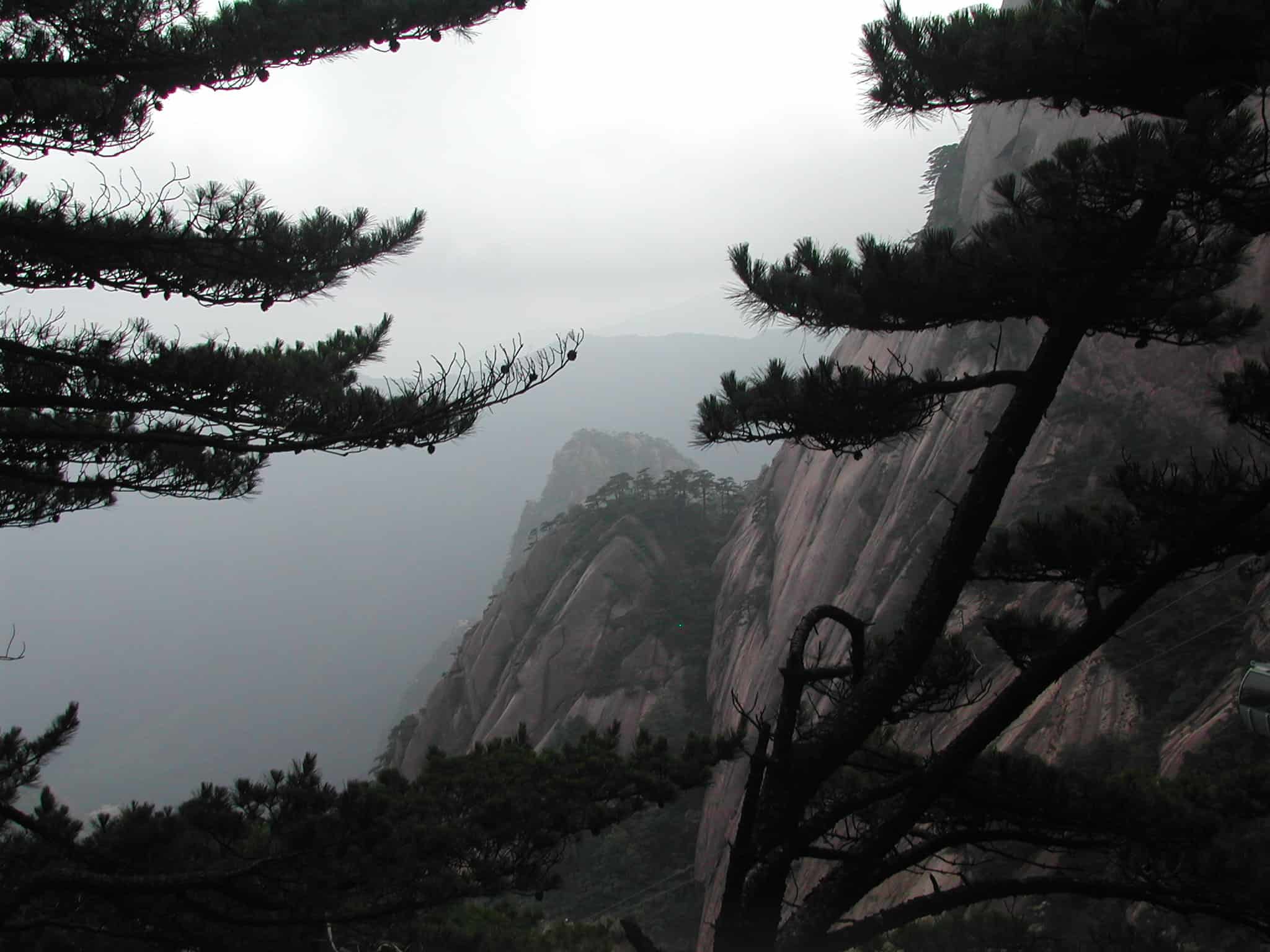
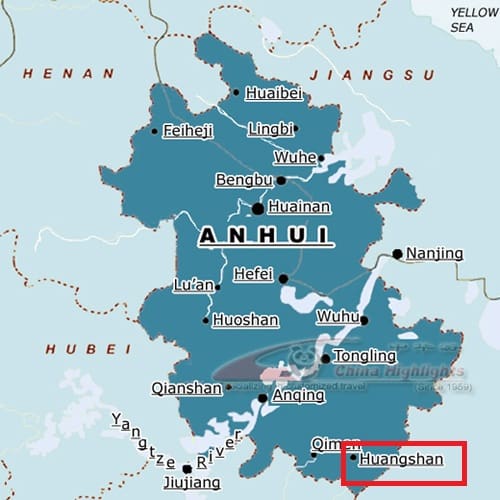
These are known as the “Yellow Mountains” of China. These reside in the Anhwei Province of China where it is now under the protection of the State Council of the People’s Republic of China as of 1982. It is home to many endangered species and has inspired many artists with its scenic beauty. Click here for a brief description.
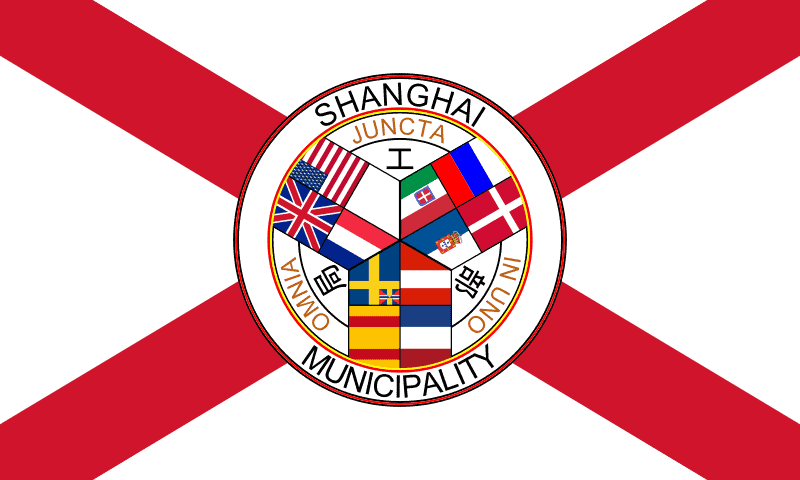
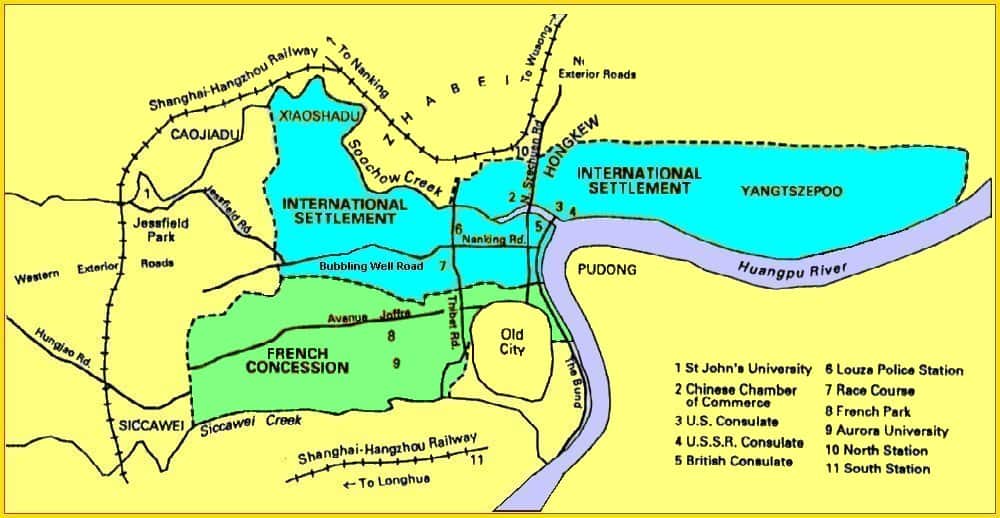
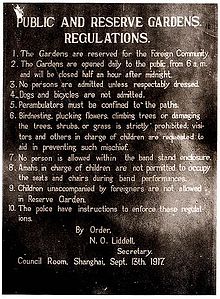
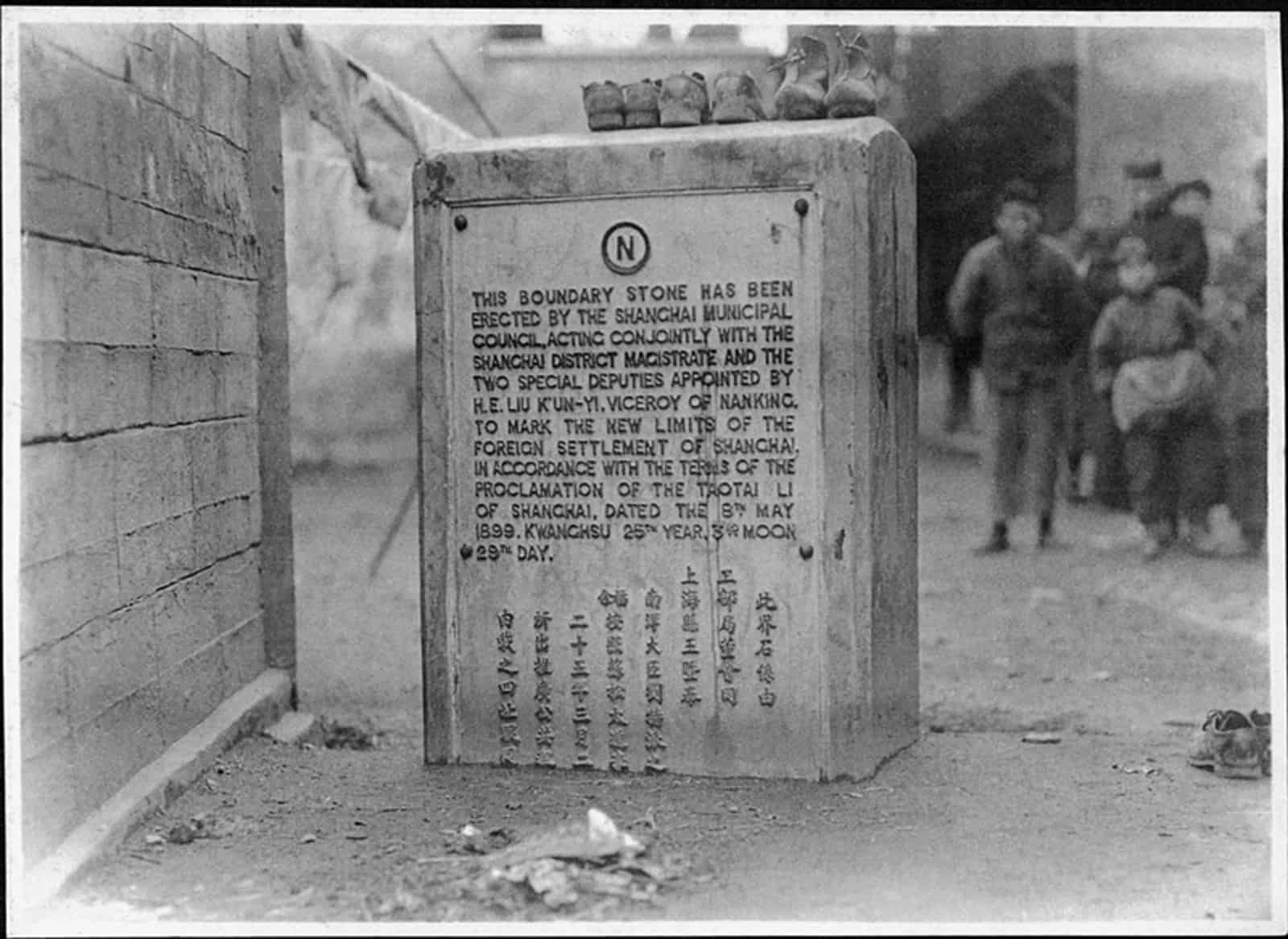
The International Settlement came to an end in 1941 when the Japanese invaded. It originally was a huge piece of land, much larger and more exclusive than the French Concession. It no longer exists today, except for old building’s here and there. One major landmark that resides in the former International Settlement is the Bund.
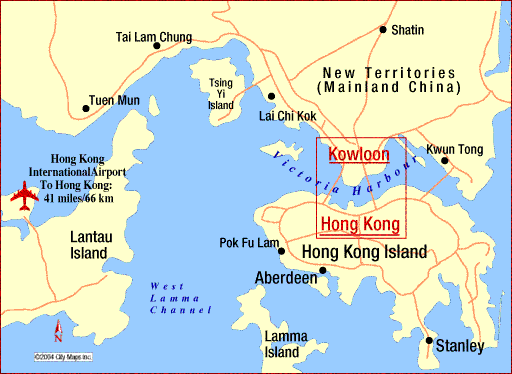
Kowloon meaning “nine dragons” is a peninsula in Hong Kong. It is known for its Walled City that was originally built as a Chinese fort. Kowloon is one of the most densely populated cities. For a long period of time, it was under British rule.
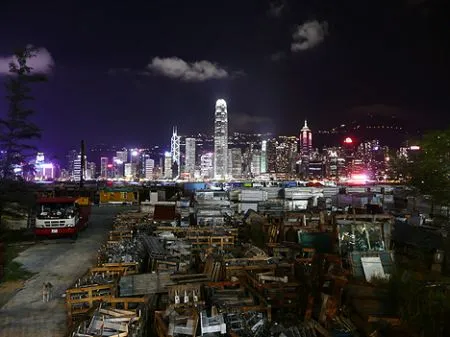
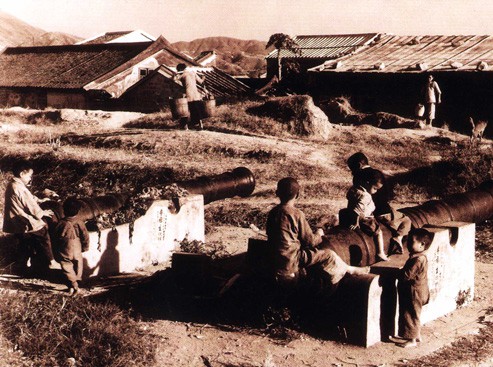
Click here to learn about Kowloon with provided pictures.
Click here to read about the history and background about Kowloon.
Click here to read about the origins and early beginnings of Kowloon.
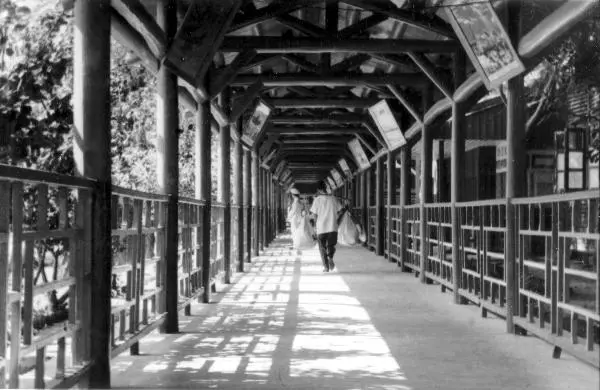
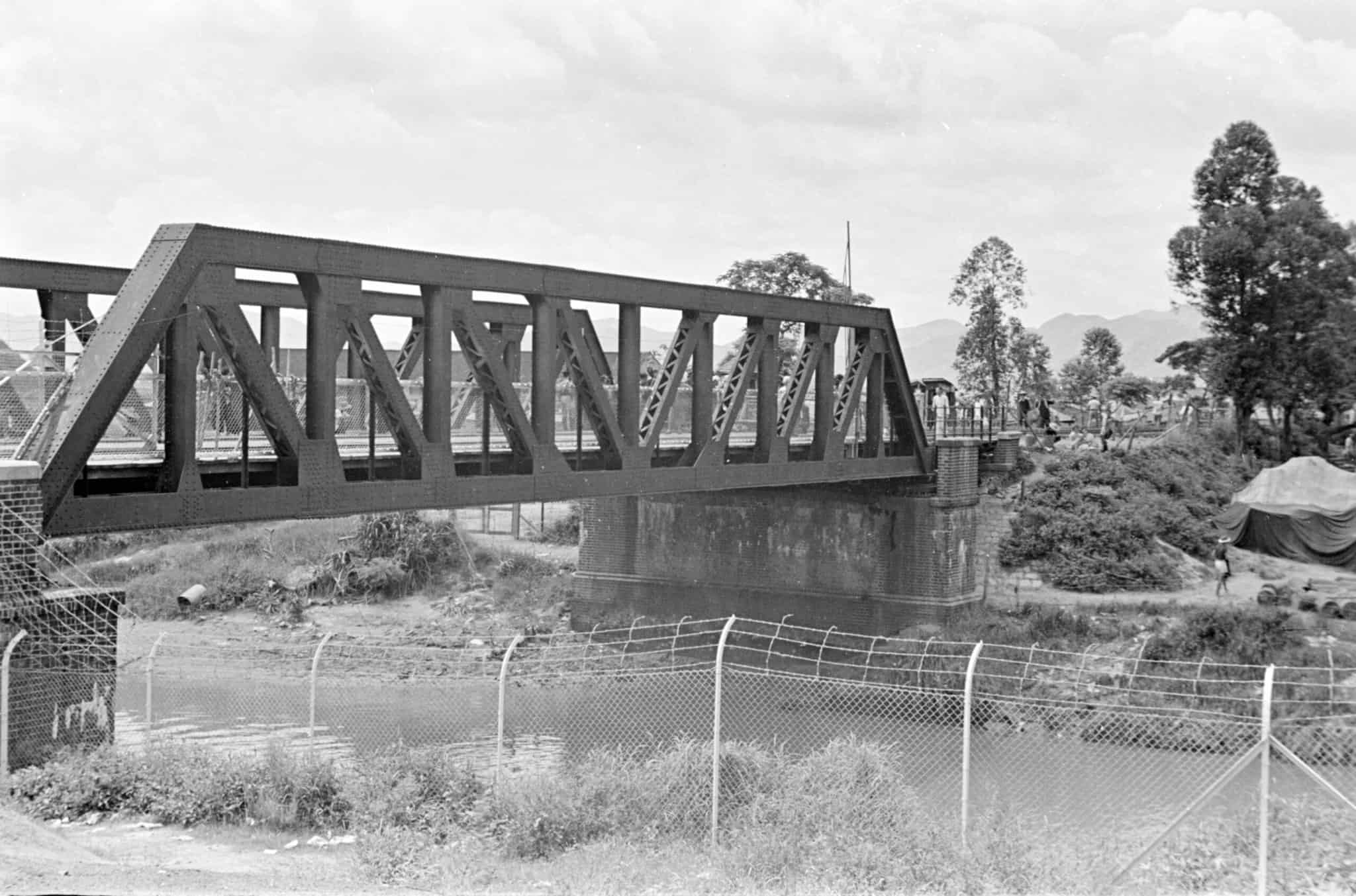
The Lo Wu Bridge is the border between Hong Kong and mainland China. It is a bridge suspended above Sham Chun River in the North district, New Territories, Hong Kong. Today there is even heavy government control among the bridge today because of its use for transporting immigrants and illegal drugs. Click here for more information.
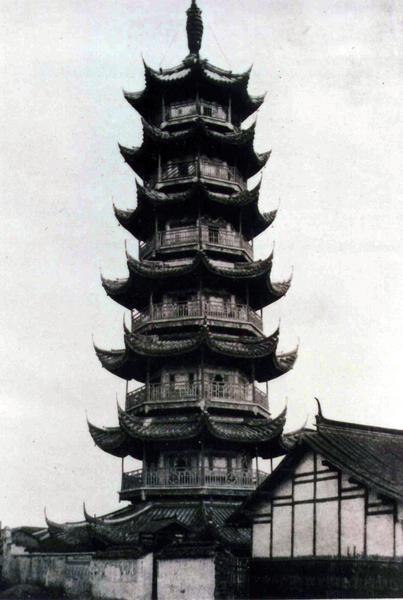
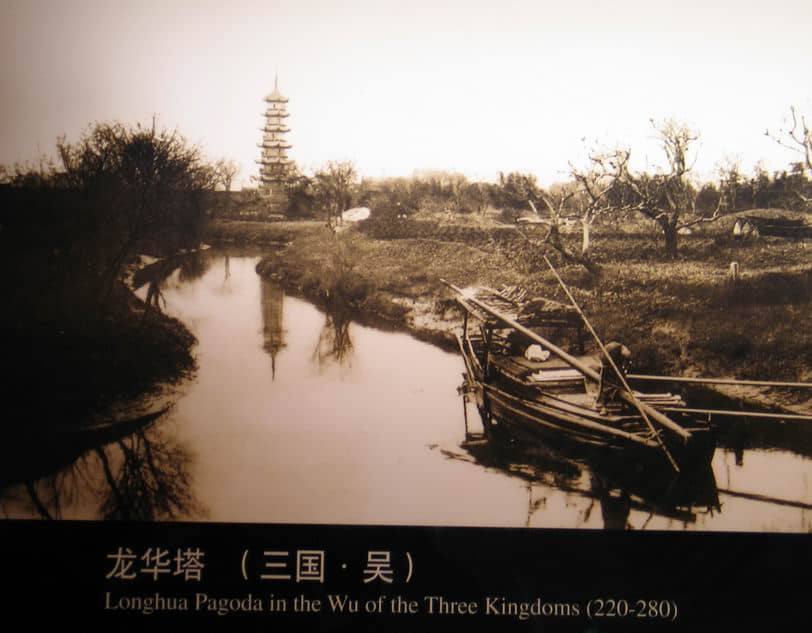
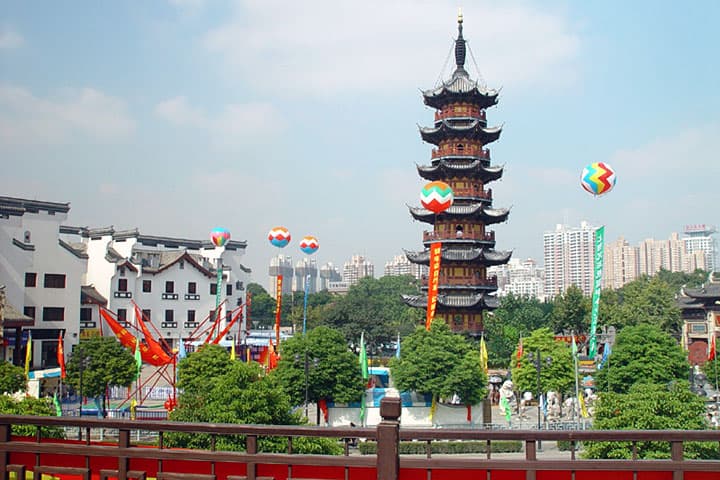
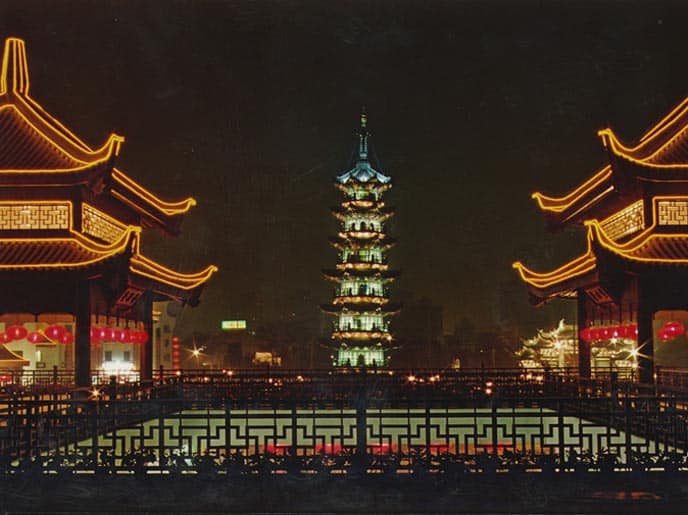
The Lunghua Pagoda (Longhua Pagoda) stands in front of the Longhua Temple, and the two often go hand in hand together. The temple was supposedly built around 247 A.D, and the pagoda apparently along with it. The pagoda is the temple’s tallest structure, made of both brick and wood and standing over 40 meters high. It has been rebuilt many times throughout it’s history, but still stands tall beside the Longhua Temple.
Click here for an introduction to the Longhua Pagoda.
Click here for a closer look at the Longhua Pagoda, and learn more about pagoda’s in general.
Click here for a website that provides in depth look at the Longhua Pagoda and also the Longhua Temple, including it’s history, legends, what’s inside, and more.
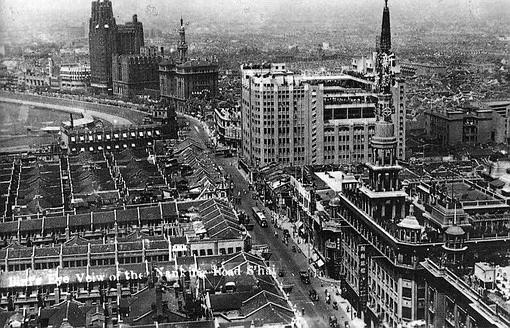
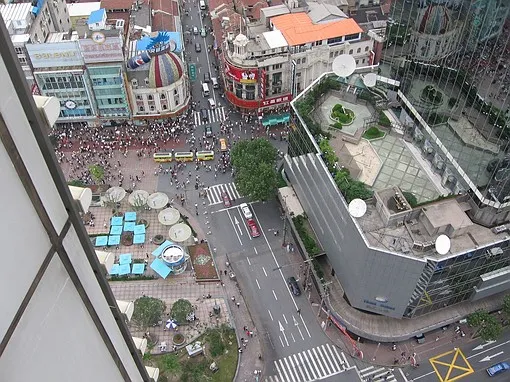
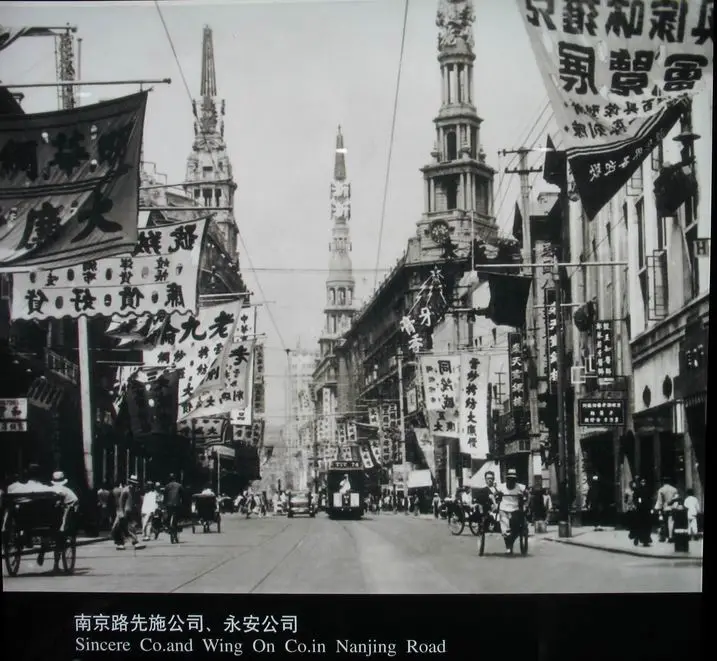
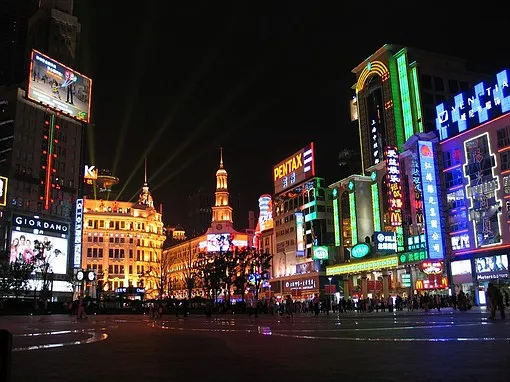
Nanking Road, now known as Nanjing Road is the world’s longest shopping district, around 6 km long, and attracts over 1 million visitors daily. Click here and here to learn more about the history of Nanking Road.
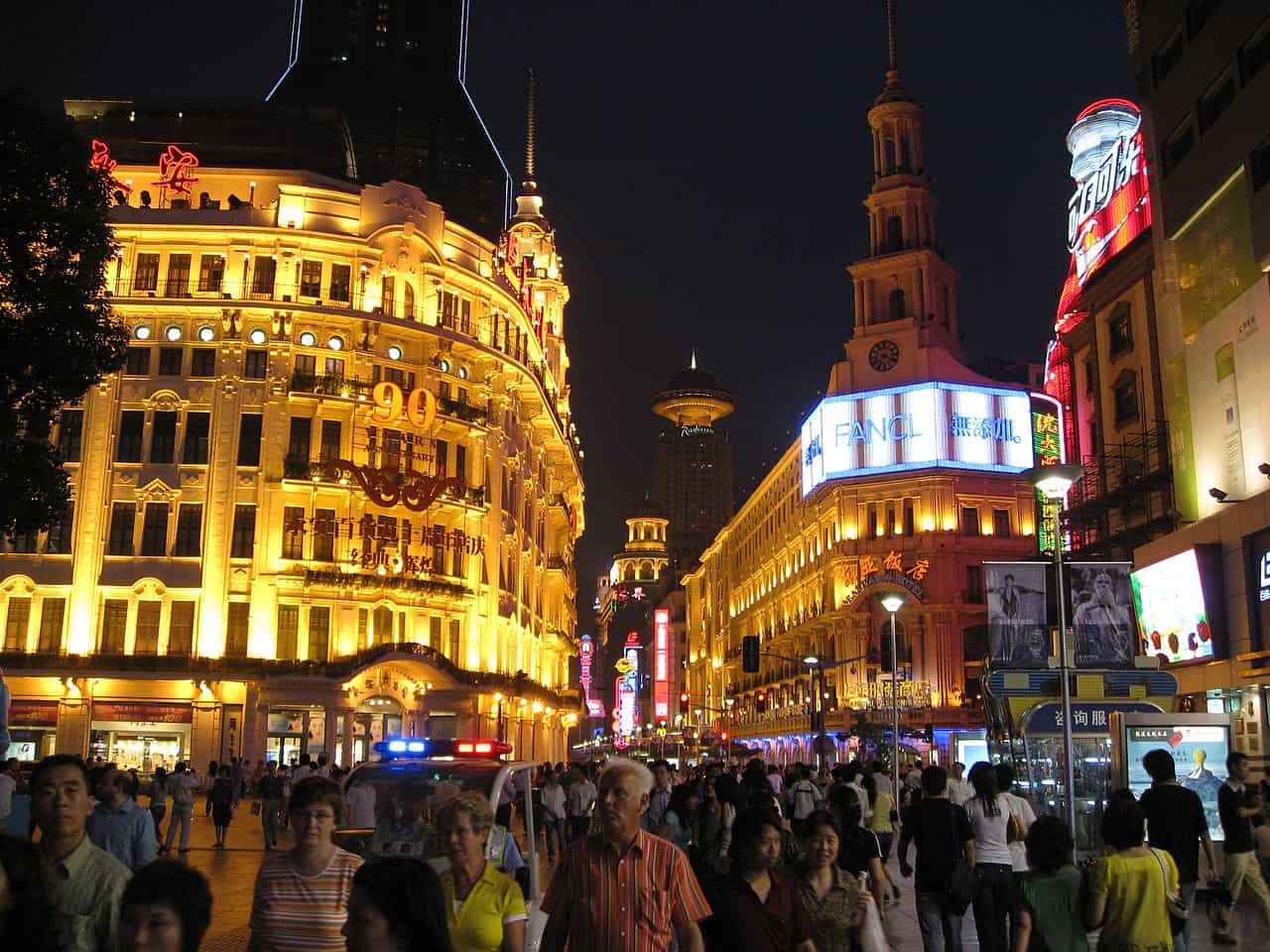
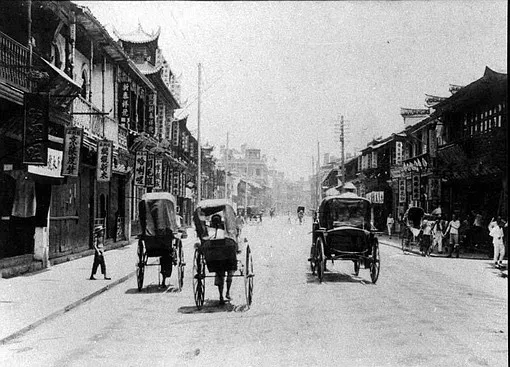
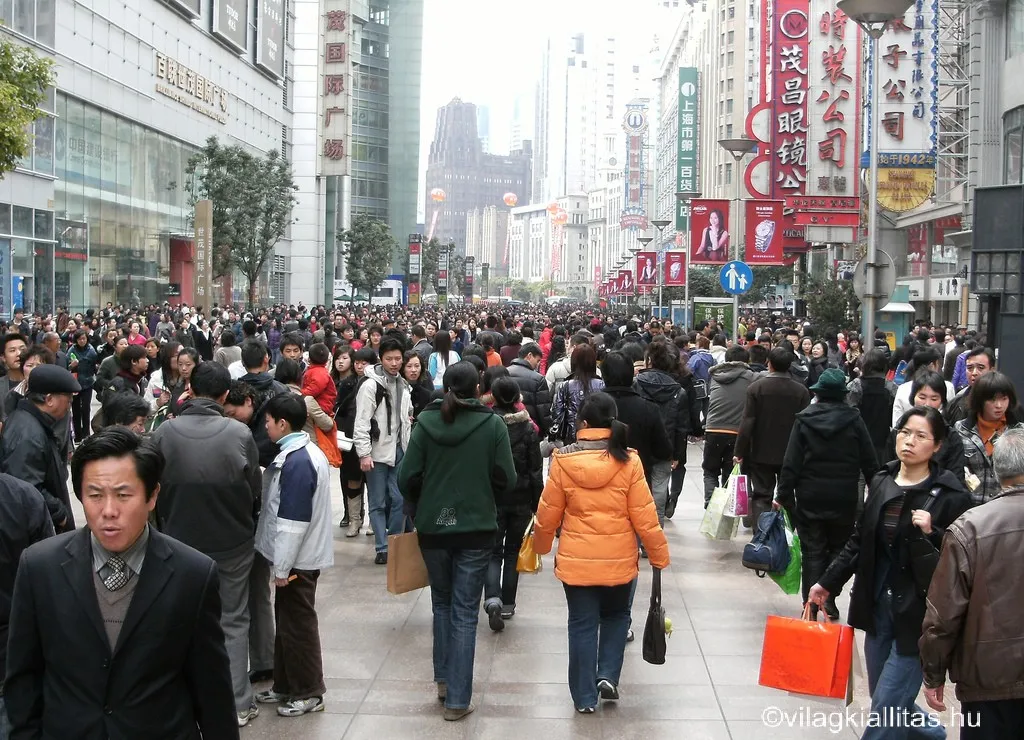
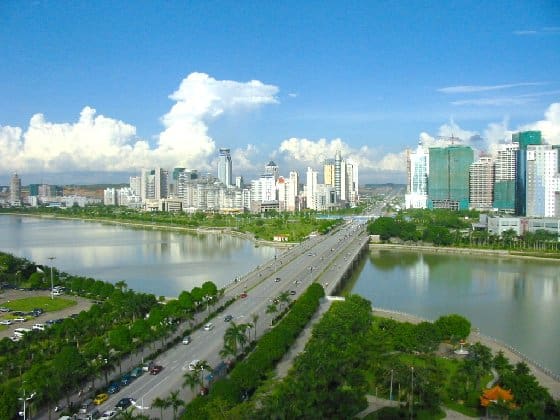
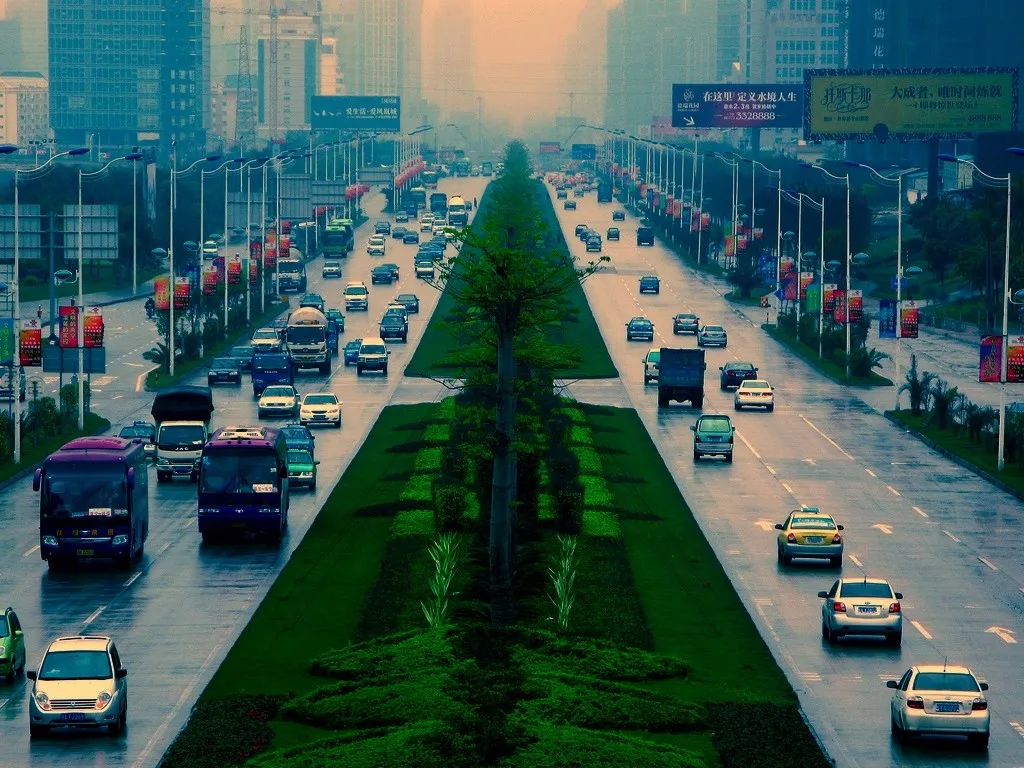
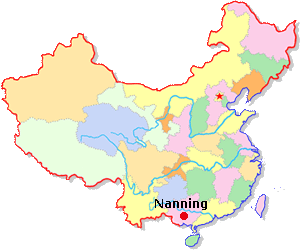
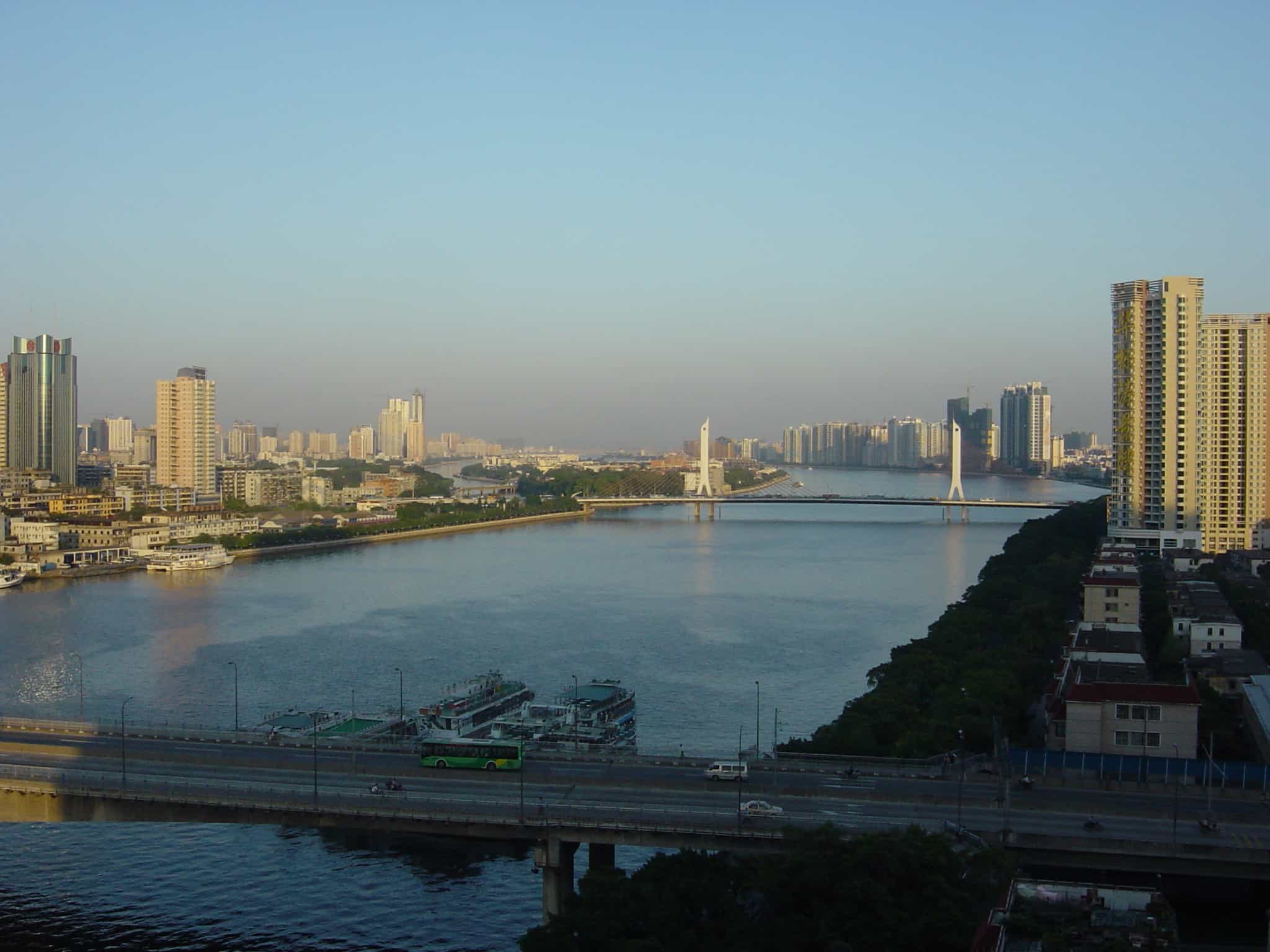
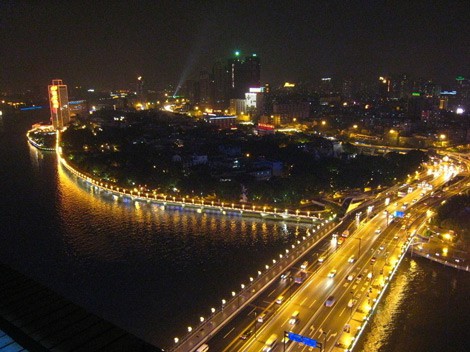
The Pearl River, also known as the Guangdong or the Canton River, runs through southern China. It is the river Pearl’s Baba suggested to escape in order to reach Hong Kong since the river empties right into The Pearl River Delta right next to Hong Kong.
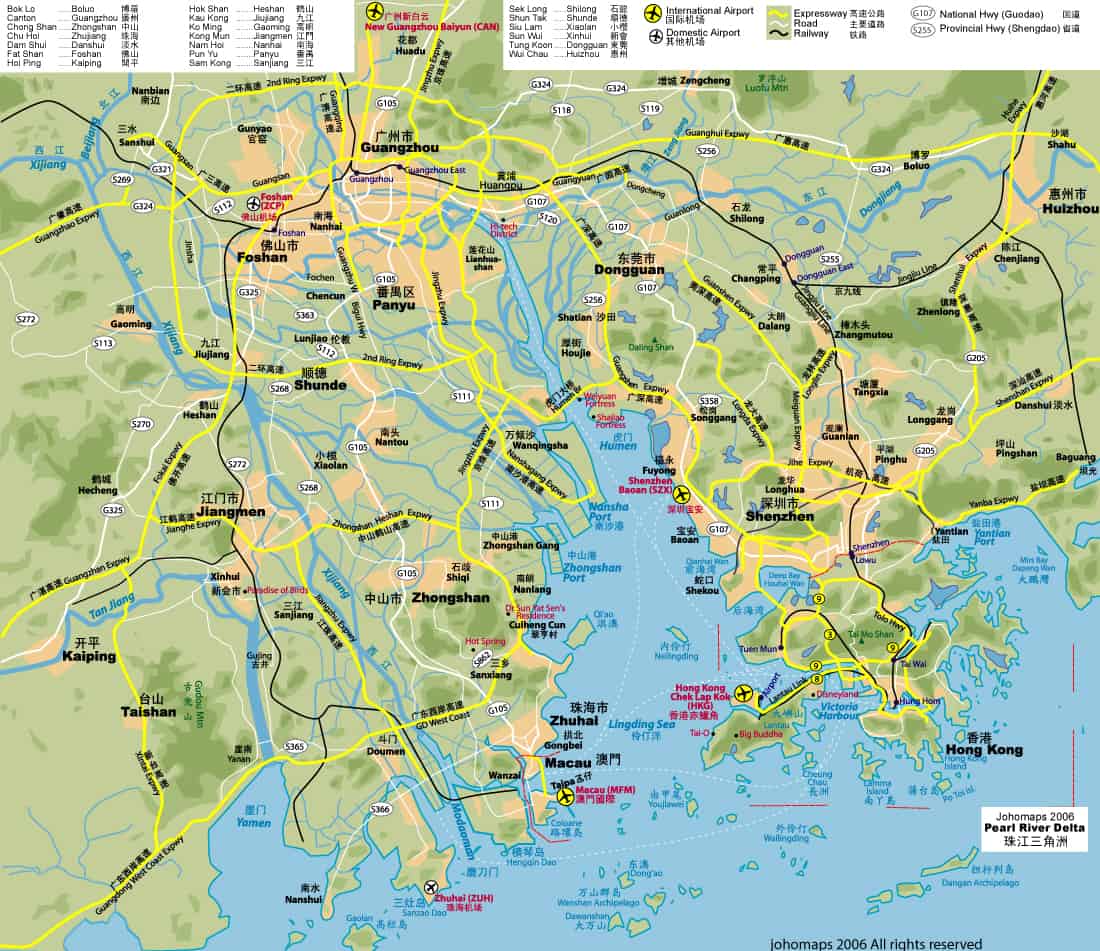
Click here to learn more about the Pearl River delta.
Tributaries: These are some of the rivers that merge with the Pearl River as it moves toward the delta.
Xi River
Liuxi River
Bei River
Dong River
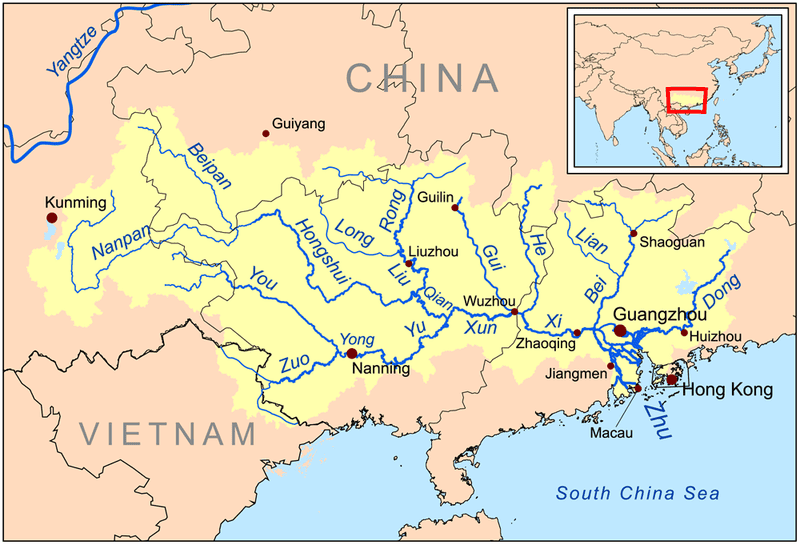
Click here to learn more about the Pearl River.
Peking is now known as Beijing. Beijing means “Northen Capital.” Beijing is a large city capital and has a major impact in the in the establishment of China over the centuries. It is the center for transportation, government, culture, and education. Beijing also holds the many historical landmarks such as the Forbidden City and numerous temples.
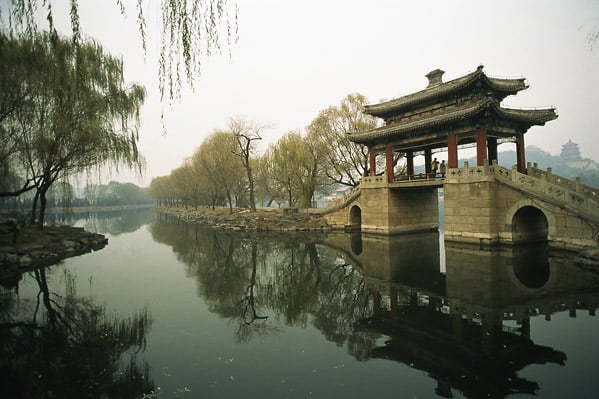
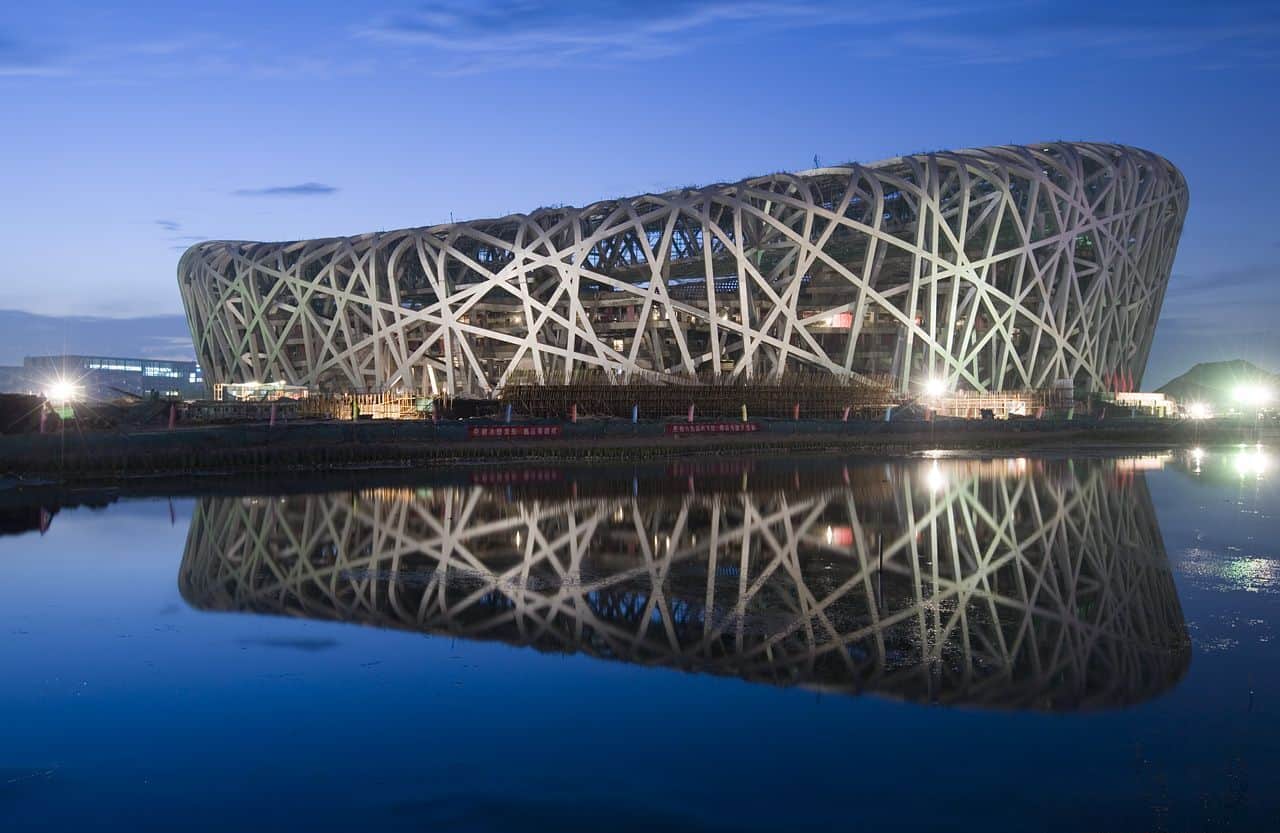
Click here to learn more about the history of Beijing.
Click here to learn more about the history of Beijing.
Click here to discover the historical landmarks and attractions of Beijing.
Click here to briefly read information about Beijing.
Click here to view a map of Beijing and all its famous landmarks.
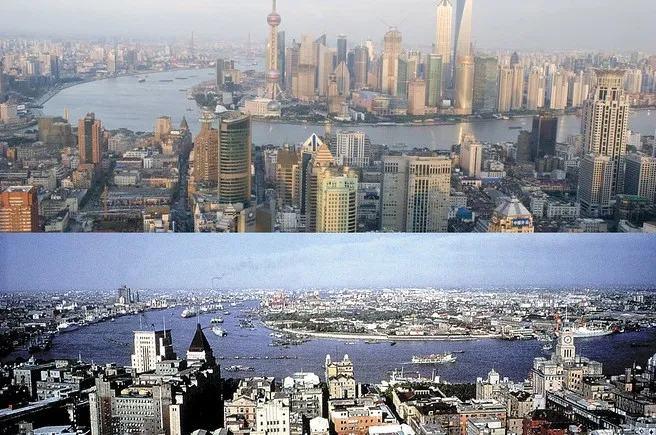
Shanghai is split into two regions by the Whangpoo River, now known as the Huangpu River. On the East side is the area known as Pudong. Opposite to Pudong across the river is the Bund. Click here to learn more about how Shanghai progressed from the 1950s to present day.
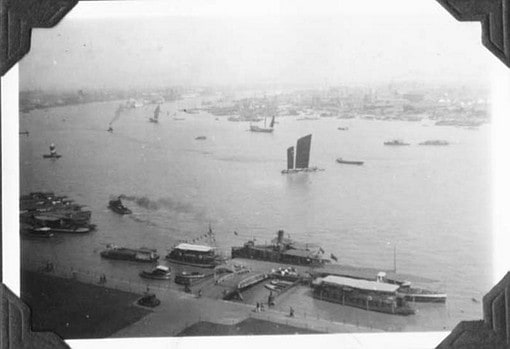
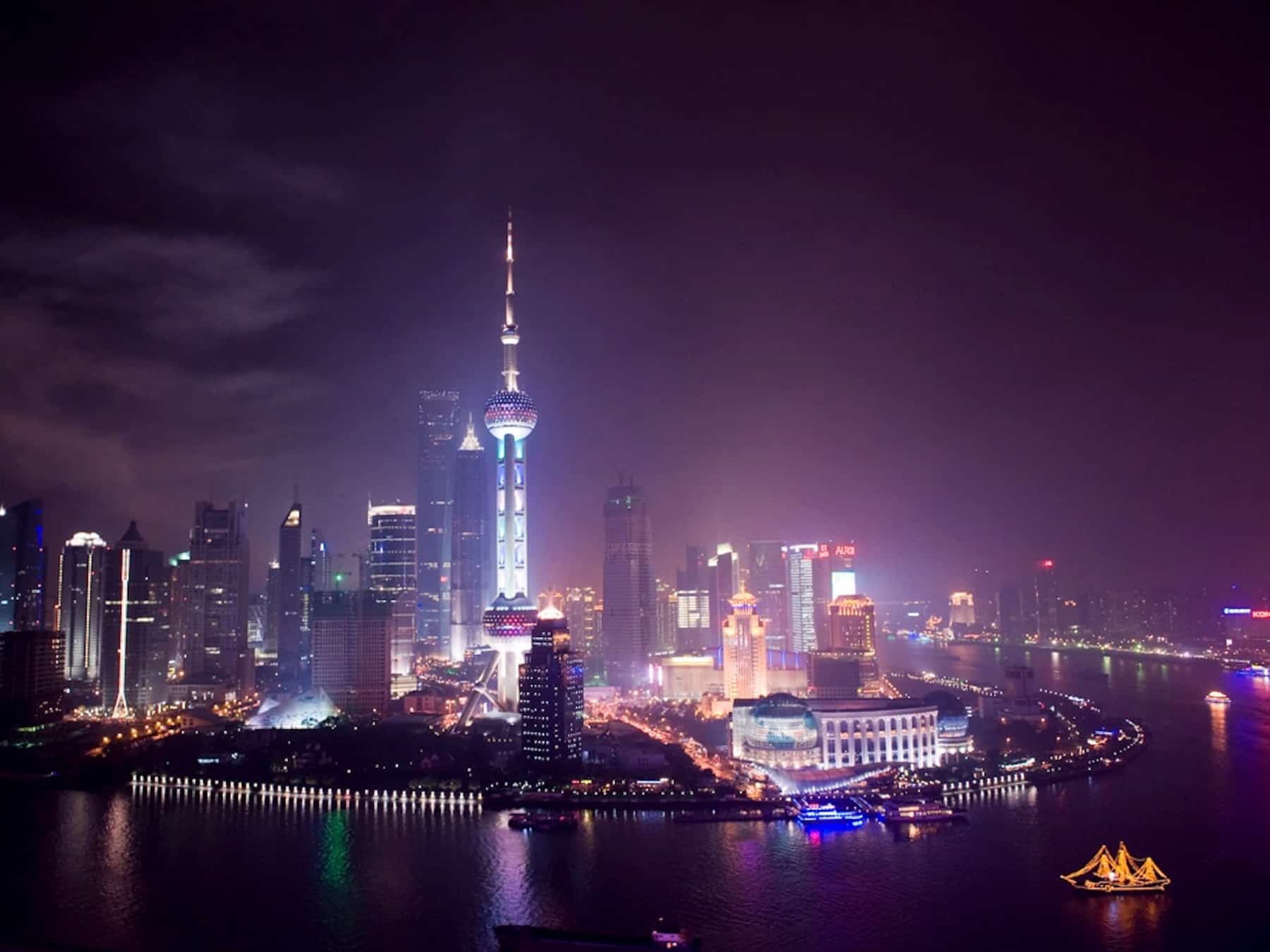
Brief history of Shanghai: Learn more about how Shanghai came to be.
Shanghai’s Basic Facts: Learn more about Shanghai’s geography, economy, science, education, developments, tourist sites, and more!
Shanghai entertainment: Movies, books, and music that grasp all things Shangahi.
World Expo Shanghai 2010: Learn more about World Expo Shanghai 2010. Click here for an amazing virtual webcam tour of Expo 2011 Shanghai.
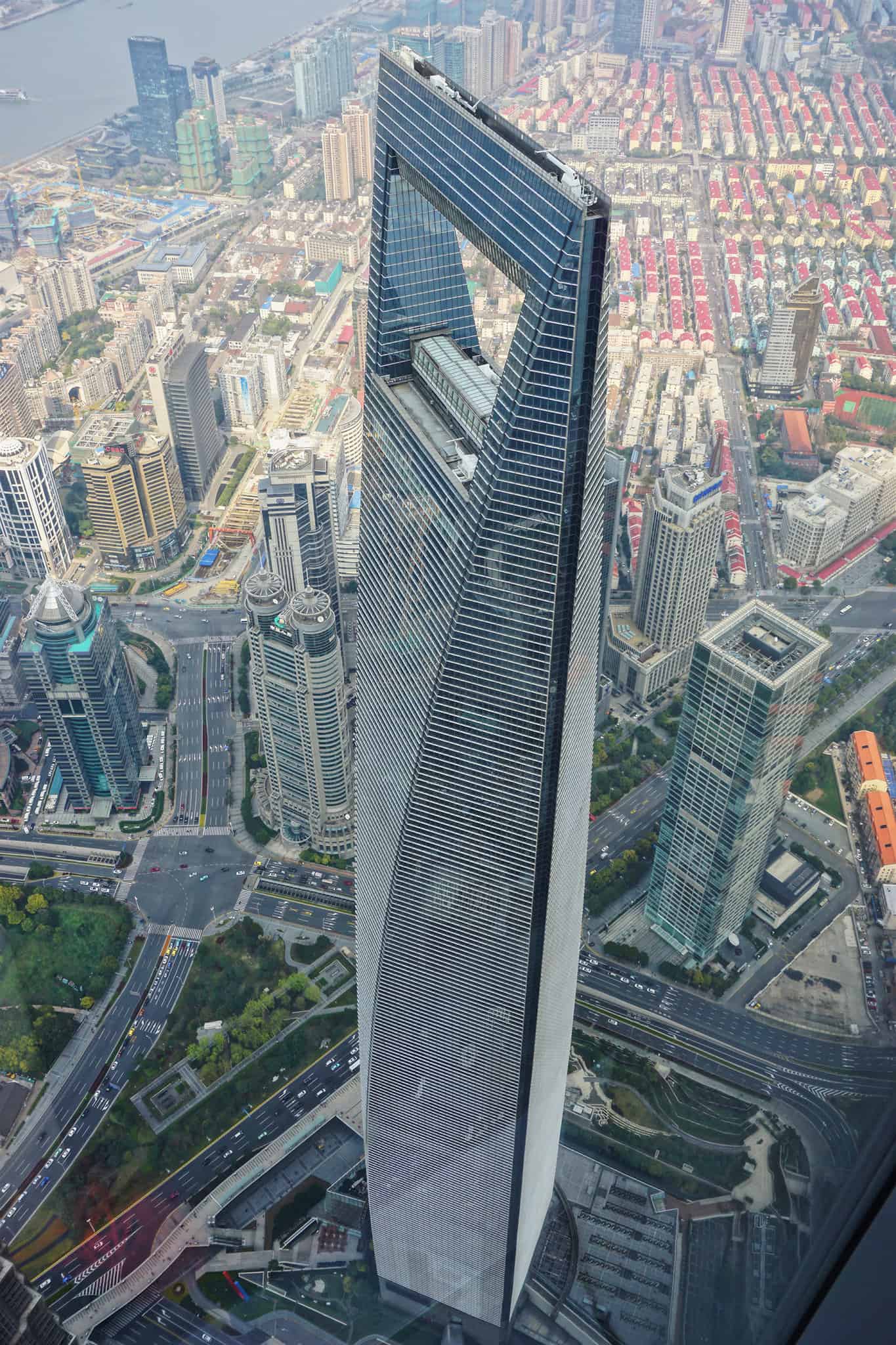
Nowadays, the Shanghai World Financial Center tower yields to be the tallest skyscraper in China. The building, begun in 1997, took 14 years and more than $1 billion to create.
The Bund is one of the most famous landmark’s in Shanghai. Located next to Whangpoo(Huangpu) River, the Bund is a mile long stretch of Shanghai’s history. Back in the day, the Bund was the financial leader of China. Many bankers and traders from powerful countries, such as the United States, Britain, and Germany, made their home here, wanting to be a part of China’s biggest commercial hub.
Today, the Bund no longer is a financial leader, but that has not stopped it from becoming the biggest tourist spot in Shanghai. People from all over the world come to have a taste of this historic landmark. As of today, the Bund has 52 buildings, each one an architectural masterpiece, from a Gothic to an Art Deco style design. The Bund also provides a picturesque view of the city across the Whangpoo River called Pudong, a place many say is a “21st Century Bund.”
Click here for a general overview of the Bund. This website provides a brief history of the past and also current attractions of the Bund today.
Click here for an in depth view of Shanghai’s Bund. This website provides an overall history of the Bund, as well as detailed information on the many important building’s located there.
The Bund is one of the most famous landmark’s in Shanghai. Located next to Whangpoo(Huangpu) River, the Bund is a mile long stretch of Shanghai’s history. Back in the day, the Bund was the financial leader of China. Many bankers and traders from powerful countries, such as the United States, Britain, and Germany, made their home here, wanting to be a part of China’s biggest commercial hub.
Today, the Bund no longer is a financial leader, but that has not stopped it from becoming the biggest tourist spot in Shanghai. People from all over the world come to have a taste of this historic landmark. As of today, the Bund has 52 buildings, each one an architectural masterpiece, from a Gothic to an Art Deco style design. The Bund also provides a picturesque view of the city across the Whangpoo River called Pudong, a place many say is a “21st Century Bund.”
Click here for a general overview of the Bund. This website provides a brief history of the past and also current attractions of the Bund today.
Click here for an in depth view of Shanghai’s Bund. This website provides an overall history of the Bund, as well as detailed information on the many important building’s located there.
The Bund is one of the most famous landmark’s in Shanghai. Located next to Whangpoo(Huangpu) River, the Bund is a mile long stretch of Shanghai’s history. Back in the day, the Bund was the financial leader of China. Many bankers and traders from powerful countries, such as the United States, Britain, and Germany, made their home here, wanting to be a part of China’s biggest commercial hub.
Today, the Bund no longer is a financial leader, but that has not stopped it from becoming the biggest tourist spot in Shanghai. People from all over the world come to have a taste of this historic landmark. As of today, the Bund has 52 buildings, each one an architectural masterpiece, from a Gothic to an Art Deco style design. The Bund also provides a picturesque view of the city across the Whangpoo River called Pudong, a place many say is a “21st Century Bund.”
Click here for a general overview of the Bund. This website provides a brief history of the past and also current attractions of the Bund today.
Click here for an in depth view of Shanghai’s Bund. This website provides an overall history of the Bund, as well as detailed information on the many important building’s located there.
The Bund is one of the most famous landmark’s in Shanghai. Located next to Whangpoo(Huangpu) River, the Bund is a mile long stretch of Shanghai’s history. Back in the day, the Bund was the financial leader of China. Many bankers and traders from powerful countries, such as the United States, Britain, and Germany, made their home here, wanting to be a part of China’s biggest commercial hub.
Today, the Bund no longer is a financial leader, but that has not stopped it from becoming the biggest tourist spot in Shanghai. People from all over the world come to have a taste of this historic landmark. As of today, the Bund has 52 buildings, each one an architectural masterpiece, from a Gothic to an Art Deco style design. The Bund also provides a picturesque view of the city across the Whangpoo River called Pudong, a place many say is a “21st Century Bund.”
Click here for a general overview of the Bund. This website provides a brief history of the past and also current attractions of the Bund today.
Click here for an in depth view of Shanghai’s Bund. This website provides an overall history of the Bund, as well as detailed information on the many important building’s located there.
The Bund is one of the most famous landmark’s in Shanghai. Located next to Whangpoo(Huangpu) River, the Bund is a mile long stretch of Shanghai’s history. Back in the day, the Bund was the financial leader of China. Many bankers and traders from powerful countries, such as the United States, Britain, and Germany, made their home here, wanting to be a part of China’s biggest commercial hub.
Today, the Bund no longer is a financial leader, but that has not stopped it from becoming the biggest tourist spot in Shanghai. People from all over the world come to have a taste of this historic landmark. As of today, the Bund has 52 buildings, each one an architectural masterpiece, from a Gothic to an Art Deco style design. The Bund also provides a picturesque view of the city across the Whangpoo River called Pudong, a place many say is a “21st Century Bund.”
Click here for a general overview of the Bund. This website provides a brief history of the past and also current attractions of the Bund today.
Click here for an in depth view of Shanghai’s Bund. This website provides an overall history of the Bund, as well as detailed information on the many important building’s located there.
The Bund is one of the most famous landmark’s in Shanghai. Located next to Whangpoo(Huangpu) River, the Bund is a mile long stretch of Shanghai’s history. Back in the day, the Bund was the financial leader of China. Many bankers and traders from powerful countries, such as the United States, Britain, and Germany, made their home here, wanting to be a part of China’s biggest commercial hub.
Today, the Bund no longer is a financial leader, but that has not stopped it from becoming the biggest tourist spot in Shanghai. People from all over the world come to have a taste of this historic landmark. As of today, the Bund has 52 buildings, each one an architectural masterpiece, from a Gothic to an Art Deco style design. The Bund also provides a picturesque view of the city across the Whangpoo River called Pudong, a place many say is a “21st Century Bund.”
Click here for a general overview of the Bund. This website provides a brief history of the past and also current attractions of the Bund today.
Click here for an in depth view of Shanghai’s Bund. This website provides an overall history of the Bund, as well as detailed information on the many important building’s located there.
The Bund is one of the most famous landmark’s in Shanghai. Located next to Whangpoo(Huangpu) River, the Bund is a mile long stretch of Shanghai’s history. Back in the day, the Bund was the financial leader of China. Many bankers and traders from powerful countries, such as the United States, Britain, and Germany, made their home here, wanting to be a part of China’s biggest commercial hub.
Today, the Bund no longer is a financial leader, but that has not stopped it from becoming the biggest tourist spot in Shanghai. People from all over the world come to have a taste of this historic landmark. As of today, the Bund has 52 buildings, each one an architectural masterpiece, from a Gothic to an Art Deco style design. The Bund also provides a picturesque view of the city across the Whangpoo River called Pudong, a place many say is a “21st Century Bund.”
Click here for a general overview of the Bund. This website provides a brief history of the past and also current attractions of the Bund today.
Click here for an in depth view of Shanghai’s Bund. This website provides an overall history of the Bund, as well as detailed information on the many important building’s located there.
The Bund is one of the most famous landmark’s in Shanghai. Located next to Whangpoo(Huangpu) River, the Bund is a mile long stretch of Shanghai’s history. Back in the day, the Bund was the financial leader of China. Many bankers and traders from powerful countries, such as the United States, Britain, and Germany, made their home here, wanting to be a part of China’s biggest commercial hub.
Today, the Bund no longer is a financial leader, but that has not stopped it from becoming the biggest tourist spot in Shanghai. People from all over the world come to have a taste of this historic landmark. As of today, the Bund has 52 buildings, each one an architectural masterpiece, from a Gothic to an Art Deco style design. The Bund also provides a picturesque view of the city across the Whangpoo River called Pudong, a place many say is a “21st Century Bund.”
Click here for a general overview of the Bund. This website provides a brief history of the past and also current attractions of the Bund today.
Click here for an in depth view of Shanghai’s Bund. This website provides an overall history of the Bund, as well as detailed information on the many important building’s located there.
The Bund is one of the most famous landmark’s in Shanghai. Located next to Whangpoo(Huangpu) River, the Bund is a mile long stretch of Shanghai’s history. Back in the day, the Bund was the financial leader of China. Many bankers and traders from powerful countries, such as the United States, Britain, and Germany, made their home here, wanting to be a part of China’s biggest commercial hub.
Today, the Bund no longer is a financial leader, but that has not stopped it from becoming the biggest tourist spot in Shanghai. People from all over the world come to have a taste of this historic landmark. As of today, the Bund has 52 buildings, each one an architectural masterpiece, from a Gothic to an Art Deco style design. The Bund also provides a picturesque view of the city across the Whangpoo River called Pudong, a place many say is a “21st Century Bund.”
Click here for a general overview of the Bund. This website provides a brief history of the past and also current attractions of the Bund today.
Click here for an in depth view of Shanghai’s Bund. This website provides an overall history of the Bund, as well as detailed information on the many important building’s located there.
The Bund is one of the most famous landmark’s in Shanghai. Located next to Whangpoo(Huangpu) River, the Bund is a mile long stretch of Shanghai’s history. Back in the day, the Bund was the financial leader of China. Many bankers and traders from powerful countries, such as the United States, Britain, and Germany, made their home here, wanting to be a part of China’s biggest commercial hub.
Today, the Bund no longer is a financial leader, but that has not stopped it from becoming the biggest tourist spot in Shanghai. People from all over the world come to have a taste of this historic landmark. As of today, the Bund has 52 buildings, each one an architectural masterpiece, from a Gothic to an Art Deco style design. The Bund also provides a picturesque view of the city across the Whangpoo River called Pudong, a place many say is a “21st Century Bund.”
Click here for a general overview of the Bund. This website provides a brief history of the past and also current attractions of the Bund today.
Click here for an in depth view of Shanghai’s Bund. This website provides an overall history of the Bund, as well as detailed information on the many important building’s located there.
Glossary
| tong chih: | comrade (17) |
| ni hao ma? | how are you? (21) |
| Shie-shie: | thank you (21) |
| Haolaiwu: | Hollywood (26, 117) |
| ch’yun: | breath resonance (29) |
| huanying: | welcome (33) |
| hsi-yi: | style of freehand brushwork (36) |
| jie jie: | older sister (65, 161) |
| danwei: | work unit (68) |
| hukou: | residency permit (68) |
| yu: | fish (74) |
| Kumei: | name that means bitter sister (75) |
| Lao Da Ge: | Old Big Brother (83) |
| hai pah: | sense of style (109) |
| ai jen: | beloved (121, 323) |
| lo fan: | Literally translation- “white ghosts”; Figurative translation- “foreigners” (126) |
| guan-hsi: | connections (128, 186, 291) |
| nui-she-ge-da: | cow turds (156) |
| hsin yan: | Literal translation- heart eye ; mean mind or intention ; Good interpretation-kindhearted, negative interpretation-tricky (172, 266) |
| mu: | Old Chinese unit of measurement (196, 197, 202, 216) |
| jin: | unit of weight in China, also called a “Catty” (196, 197, 202, 255, 256, 261, 282) |
| erhu: | Chinese violin (199, 310) |
| tuanyuan: | reunion (203) |
| mao tai: | a fiery liquor (204) |
| en ren: | benefactor (221) |
| dichu: | landowner (221) |
| yen-yen: | grandmother (231, 259) |
| Ah Fu: | Good Fortune (258) |
| Pan-di: | Hope-for-a-Brother (258) |
| hong: | red (266) |
| guang: | bright (266) |
| liang: | shining (266) |
| hong yen bing: | red eye disease ; envy (266) |
| I Tzu, Erh Shih: | Swap Child, Make Food (285) |
| Kung-ai: | encompassing love (323) |
| ai kuo: | love for the country and its people (323) |
Historical Links
We have provided helpful links to further enhance your reading experience. We have included websites that present essentials to gain a better understanding on the historical background of the book. Simply click on the image to be directed to the appropriate page.
Moon Festival
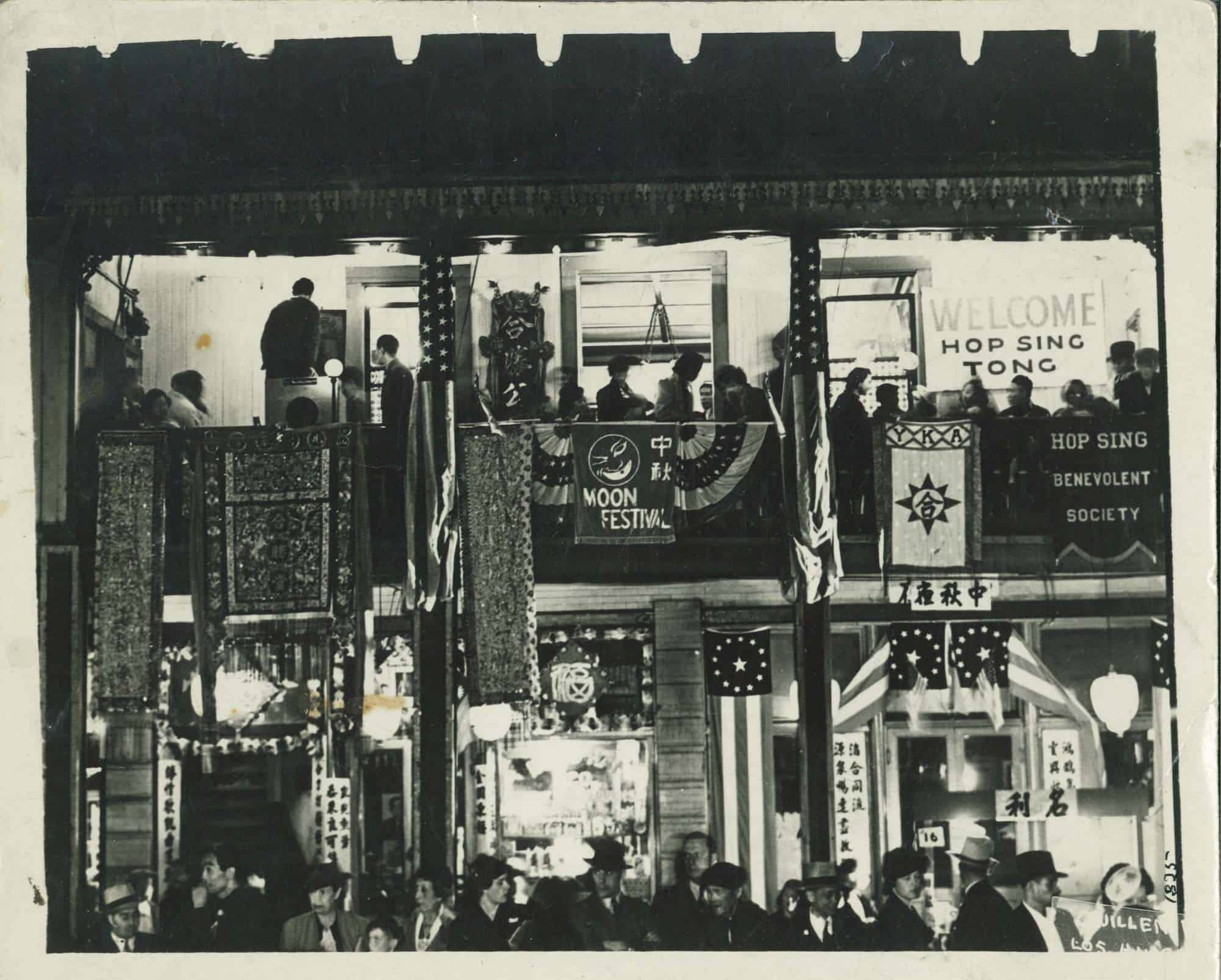
Learn more about the tradition of the Moon Festival/Mid-Autumn Festival, where the moon is closer to the earth than any other time of the year.
Calligraphy
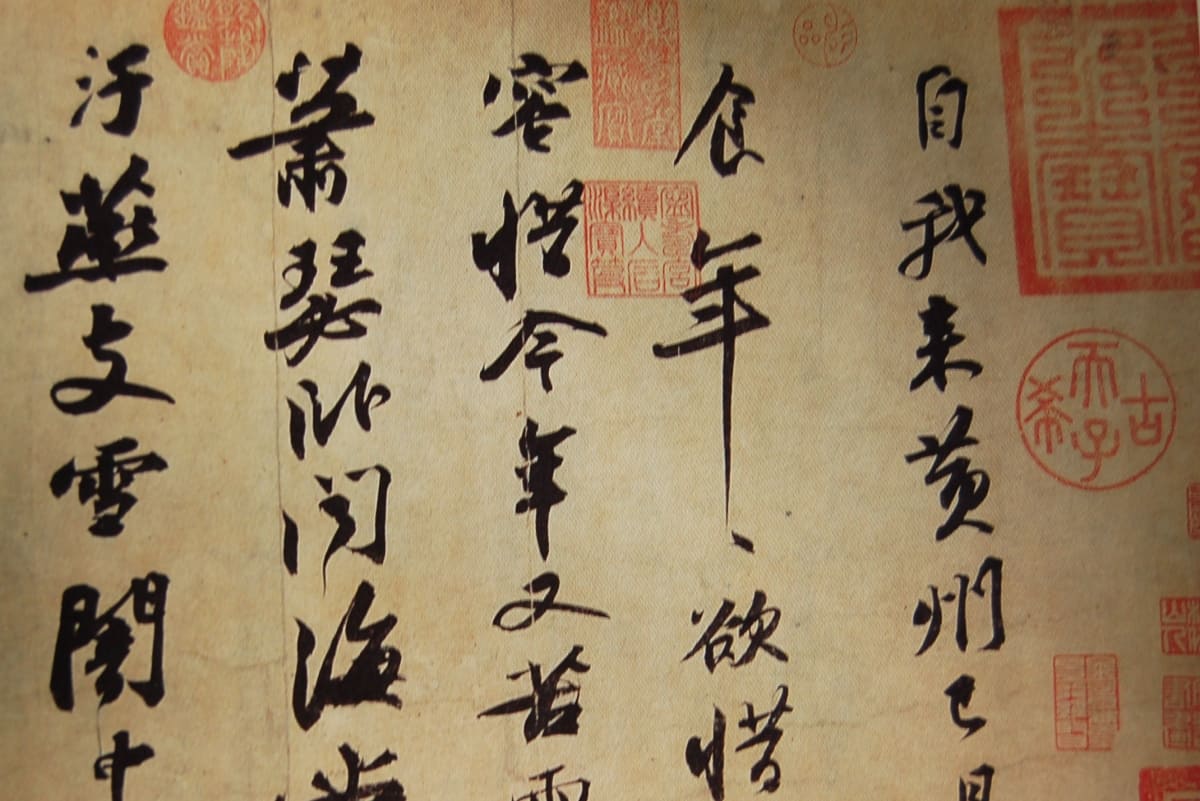
Learn more about the history of calligraphy.
Moon Festival
Learn more about the tradition of the Moon Festival/Mid-Autumn Festival, where the moon is closer to the earth than any other time of the year.
Calligraphy
Learn more about the history of calligraphy.
Moon Festival
Learn more about the tradition of the Moon Festival/Mid-Autumn Festival, where the moon is closer to the earth than any other time of the year.
Calligraphy
Learn more about the history of calligraphy.
Moon Festival
Learn more about the tradition of the Moon Festival/Mid-Autumn Festival, where the moon is closer to the earth than any other time of the year.
Calligraphy
Learn more about the history of calligraphy.
Moon Festival
Learn more about the tradition of the Moon Festival/Mid-Autumn Festival, where the moon is closer to the earth than any other time of the year.
Calligraphy
Learn more about the history of calligraphy.

Chinese Exports Commodities Fair
Click on the above Chinese Export Commodities Fair (commonly known now as the Canton Fair) logo for a brief introduction. You can also click here for the official Canton Fair website.
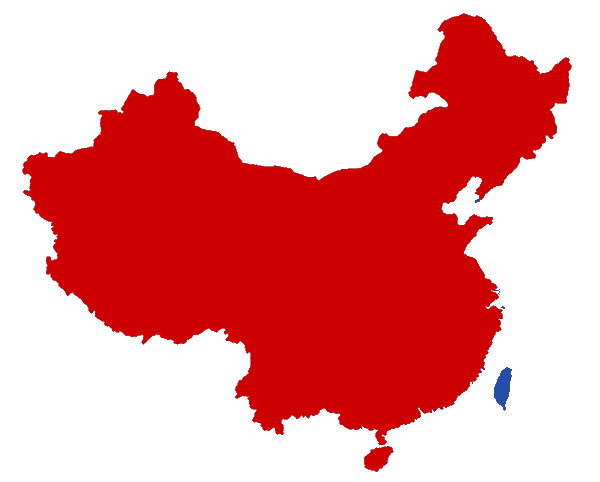
Red China
Learn a brief background on Red China.
Moon Festival
Learn more about the tradition of the Moon Festival/Mid-Autumn Festival, where the moon is closer to the earth than any other time of the year.
Calligraphy
Learn more about the history of calligraphy.
Moon Festival
Learn more about the tradition of the Moon Festival/Mid-Autumn Festival, where the moon is closer to the earth than any other time of the year.
Calligraphy
Learn more about the history of calligraphy.
Moon Festival
Learn more about the tradition of the Moon Festival/Mid-Autumn Festival, where the moon is closer to the earth than any other time of the year.
Calligraphy
Learn more about the history of calligraphy.
Moon Festival
Learn more about the tradition of the Moon Festival/Mid-Autumn Festival, where the moon is closer to the earth than any other time of the year.
Calligraphy
Learn more about the history of calligraphy.
Moon Festival
Learn more about the tradition of the Moon Festival/Mid-Autumn Festival, where the moon is closer to the earth than any other time of the year.
Calligraphy
Learn more about the history of calligraphy.
Moon Festival
Learn more about the tradition of the Moon Festival/Mid-Autumn Festival, where the moon is closer to the earth than any other time of the year.
Calligraphy
Learn more about the history of calligraphy.
Moon Festival
Learn more about the tradition of the Moon Festival/Mid-Autumn Festival, where the moon is closer to the earth than any other time of the year.
Calligraphy
Learn more about the history of calligraphy.
Moon Festival
Learn more about the tradition of the Moon Festival/Mid-Autumn Festival, where the moon is closer to the earth than any other time of the year.
Calligraphy
Learn more about the history of calligraphy.
Moon Festival
Learn more about the tradition of the Moon Festival/Mid-Autumn Festival, where the moon is closer to the earth than any other time of the year.
Calligraphy
Learn more about the history of calligraphy.
Moon Festival
Learn more about the tradition of the Moon Festival/Mid-Autumn Festival, where the moon is closer to the earth than any other time of the year.
Calligraphy
Learn more about the history of calligraphy.
Moon Festival
Learn more about the tradition of the Moon Festival/Mid-Autumn Festival, where the moon is closer to the earth than any other time of the year.
Calligraphy
Learn more about the history of calligraphy.
Historical Events
This section highlights the defining moments of 20th-century China, from the Hundred Flowers Campaign and the Great Leap Forward to the rise of People’s Communes and the architectural elegance of Shanghai’s Art Deco movement. These events reveal the struggles, ambitions, and transformations of a nation. Explore rare images, archival videos, and firsthand accounts that illuminate the forces shaping Joy’s world in Dreams of Joy. Click through to uncover the history behind the novel.
Hundred Flowers Campaign/Anti-Rightist Movement
In April 1957 Mao Zedong launched a campaign called ” Letting a Hundred Flowers Bloom, a Hundred Schools of Thought Contend.” This allowed the public to speak about controversial issues and criticism toward the government. The goal of this campaign was to improve their utopian society. Even Mao Zedong joined in the criticism of the communist society during his speech known as “The Correct Handling of Contradictions Among the People”. He hoped that letting people criticize would expose corruption of power. After 5 weeks though the government became tired of listening to “bourgeois rightist” thinking, and so began the Anti-Rightist Campaign. Click on Picture to learn more.
The Anti-Rightist Campaign was an effort to reform all the individual thinking of all the intellectuals. Many of the people who spoke of, or critisized the government were sent to labor camps to be “reeducated” in communist beliefs. Click on Picture to learn more.
Moon Festival
Learn more about the tradition of the Moon Festival/Mid-Autumn Festival, where the moon is closer to the earth than any other time of the year.
Calligraphy
Learn more about the history of calligraphy.
Moon Festival
Learn more about the tradition of the Moon Festival/Mid-Autumn Festival, where the moon is closer to the earth than any other time of the year.
Calligraphy
Learn more about the history of calligraphy.
Moon Festival
Learn more about the tradition of the Moon Festival/Mid-Autumn Festival, where the moon is closer to the earth than any other time of the year.
Calligraphy
Learn more about the history of calligraphy.
Moon Festival
Learn more about the tradition of the Moon Festival/Mid-Autumn Festival, where the moon is closer to the earth than any other time of the year.
Calligraphy
Learn more about the history of calligraphy.
Chinese Exports Commodities Fair
Click on the above Chinese Export Commodities Fair (commonly known now as the Canton Fair) logo for a brief introduction. You can also click here for the official Canton Fair website.
Red China
Learn a brief background on Red China.
Moon Festival
Learn more about the tradition of the Moon Festival/Mid-Autumn Festival, where the moon is closer to the earth than any other time of the year.
Calligraphy
Learn more about the history of calligraphy.
Moon Festival
Learn more about the tradition of the Moon Festival/Mid-Autumn Festival, where the moon is closer to the earth than any other time of the year.
Calligraphy
Learn more about the history of calligraphy.
Moon Festival
Learn more about the tradition of the Moon Festival/Mid-Autumn Festival, where the moon is closer to the earth than any other time of the year.
Calligraphy
Learn more about the history of calligraphy.
Moon Festival
Learn more about the tradition of the Moon Festival/Mid-Autumn Festival, where the moon is closer to the earth than any other time of the year.
Calligraphy
Learn more about the history of calligraphy.
Moon Festival
Learn more about the tradition of the Moon Festival/Mid-Autumn Festival, where the moon is closer to the earth than any other time of the year.
Calligraphy
Learn more about the history of calligraphy.
Moon Festival
Learn more about the tradition of the Moon Festival/Mid-Autumn Festival, where the moon is closer to the earth than any other time of the year.
Calligraphy
Learn more about the history of calligraphy.
Moon Festival
Learn more about the tradition of the Moon Festival/Mid-Autumn Festival, where the moon is closer to the earth than any other time of the year.
Calligraphy
Learn more about the history of calligraphy.
Moon Festival
Learn more about the tradition of the Moon Festival/Mid-Autumn Festival, where the moon is closer to the earth than any other time of the year.
Calligraphy
Learn more about the history of calligraphy.
Moon Festival
Learn more about the tradition of the Moon Festival/Mid-Autumn Festival, where the moon is closer to the earth than any other time of the year.
Calligraphy
Learn more about the history of calligraphy.
Moon Festival
Learn more about the tradition of the Moon Festival/Mid-Autumn Festival, where the moon is closer to the earth than any other time of the year.
Calligraphy
Learn more about the history of calligraphy.
Moon Festival
Learn more about the tradition of the Moon Festival/Mid-Autumn Festival, where the moon is closer to the earth than any other time of the year.
Calligraphy
Learn more about the history of calligraphy.
In April 1957 Mao Zedong launched a campaign called ” Letting a Hundred Flowers Bloom, a Hundred Schools of Thought Contend.” This allowed the public to speak about controversial issues and criticism toward the government. The goal of this campaign was to improve their utopian society. Even Mao Zedong joined in the criticism of the communist society during his speech known as “The Correct Handling of Contradictions Among the People”. He hoped that letting people criticize would expose corruption of power. After 5 weeks though the government became tired of listening to “bourgeois rightist” thinking, and so began the Anti-Rightist Campaign. Click on Picture to learn more.
The Anti-Rightist Campaign was an effort to reform all the individual thinking of all the intellectuals. Many of the people who spoke of, or critisized the government were sent to labor camps to be “reeducated” in communist beliefs. Click on Picture to learn more.
The People’s Communes
Dazhai Commune Poster (Click on Picture)
The People’s Communes in China are collective units of up to 5000 families that all live and work together. Communes were created during the Great Leap Forward in order to surpass countries such as the United Kingdom and the United States. They were made official in 1958. In a commune everyone gave up ownerships of tools and animals. Everything was provided by the commune: schools, nurseries, health care for the elderly, even entertainment. All people were required to do was dedicate their lives to the commune. Today there are a few communes that still exist. One of them is the village of Nanjie where even today they still follow many of the rules back when Mao Zedong was in power.
Art-Deco Style in Shanghai
Art-Deco is an architectural style that was created in Europe during the 1920s. This style was adopted in Shanghai because of its “thrusting vertical elements and geometric ornamentation that was able to capture the spirit of a rising city.” Deco style soon took over the “Paris of the East”. Shanghai became a city obsessed with the new and modern Art-Deco Style.
 Around the world, Art-Deco style still remains very popular to this day. The houses and hotels located in The Bund in Shanghai is just one example. Other places include The New York Chrysler Building and the Hollywood Bowl in Los Angeles.
Art-Deco Style was not just used for buildings but furniture, jewelry, household objects such as lamps or known as scones. Click here to see examples of some Art-Deco Furniture
Today though much of the historical Art-Deco Style present in Shanghai is in danger of contruction companies looking to tear down history. Click herefor more information.

Great-Leap Forward
The Great Leap forward was a plan headed by Mao to overtake all superpowers such as The United States and The United Kingdom in 5 years. Click on Picture above to learn more.

This plan began to take effect in 1958 to 1961 where the country decided to use China’s vast population to rapidly transform the country and push it toward industrialization.
However, the Great Leap Forward ended in disaster. Instead of increasing the modernization of the country, it led to at least millions of deaths through starvation and poor conditions.
Click here to take a look at videos about the Great Leap Forward from CIA Archives.
Campaign Against the Four Evils

This campaign mostly focused on ridding China of four pests:
-Rats
-Mosquitoes
-Flies
-Sparrows

This campaign was launched by Mao Zedong in 1958 as a hygiene campaign. The purpose of was to eliminate four pests which were rats, flies, mosquitoes, and sparrows. Mostly this campaign wanted to kill the sparrows because they ate the grain seeds farmers planted. It ended up backfiring though, because once the sparrows were all killed it allowed the proliferation of crop eating insects.
Edema (Malnutrition)
Edema
is the the swelling of fluid accumulation in the body tissues. As shown by the picture most of accumulation happens in the feet and ankles. Edema can happen when a person is deprived of certain vitamins during starvation. Many people underwent starvation within the People’s communes.
Starvation
Shrinkage of such vital organs as the heart, lungs, ovaries, or testes, and
gradual loss of their functions

Decreased ability to digest food because of lack of digestive acid production
Swelling from fluid under the skin
Reduction in muscle mass and consequent weakness
The Cold War
The Cold War lasted from 1946-1991, the conflict was between communist countries such as Russia, and the democratic countries such as the United States. The major tensions during the war were: political conflict, military tension, proxy wars (Korean War, Vietnam War) and economic competition. Click on the map to learn more.
Both sides of the “war” used propaganda to manipulate the masses.
American Propaganda Chinese Propaganda


Anhwei Province
This is the province where Joy’s Father, ZG, went to receive his punishment for criticizing Mao’s Communist regime. Click here for more information. As noticed by the map above it is near Shanghai, almost only a train ride away. Click on map to learn more about the province.
The Bombings of Shanghai
In 1937 the Japanese launched their attack upon China. The war began on August 14, when the Japanese attacked Shanghai with an air raid. Bombs fell upon the intersections of Nanking Road and The Bund. Two more bombs fell on Avenue Edward VII. Around 1,740 were killed and 1,873 were injured. Click on picture learn more about the event.